
Lead
Oklahoma’s attorney general has initiated legal action to stop plans for what backers call the largest aluminum smelter in the United States, charging that the proposed facility could harm local residents and that its ownership ties to the United Arab Emirates raise governance concerns. The lawsuit was filed in state court on Tuesday by Gentner Drummond, a Republican who is also a candidate in the state’s upcoming gubernatorial primary.
Project overview
The development under dispute is a $4 billion primary aluminum smelter proposed for Inola, roughly 30 miles (48 km) east of Tulsa. If completed, the plant would produce 750,000 metric tons per year of aluminum and would be the first new primary aluminum smelter constructed in the United States since 1980. Emirates Global Aluminum (EGA) would hold a 60% stake in the venture, with Chicago-based Century Aluminum owning the remaining 40%.
The project has drawn federal and state support: the U.S. Energy Department provided a $500 million grant earlier this year, and state incentives have also been offered. Supporters have positioned the facility as part of a broader push to expand domestic critical minerals and metals capacity. Construction had been planned to begin by the end of the year, with production targeted by the end of the decade.
Legal allegations
Drummond’s 12-page complaint argues that the smelter would discharge air and water pollutants that would "injure the health, comfort, repose, and safety of the people" of the surrounding region. The suit asserts that "A primary aluminum smelter does not belong in a community’s backyard and its emissions do not respect property lines," and it asks a court to bar the project from moving forward.
The filing also emphasizes ownership and control concerns. Drummond refers to EGA’s ultimate owners as sovereign wealth funds tied to the United Arab Emirates government and characterizes that relationship in political terms, writing that "When the fumes settle over Inola, the people harmed will be Oklahomans; the entity that profits, and that holds the controlling vote on how the plant is run, answers to Abu Dhabi and Dubai."
The companies involved did not immediately respond to requests for comment, and the White House did not immediately reply to a request for comment on the lawsuit.
Political context and timing
The lawsuit was filed four days after former President Donald Trump publicly endorsed Mike Mazzei, a former state senator, in the June 16 Republican primary for governor. Trump has previously voiced support for the outgoing governor, Kevin Stitt, who has championed Oklahoma as a hub for critical minerals development. Drummond and Mazzei have been running close in recent polls, and the winner of the Republican primary is widely expected to be the frontrunner in the November general election in the predominantly Republican state.
Governor Stitt criticized the timing of the lawsuit and said Drummond was "weaponizing his office to settle scores instead of serving Oklahomans," highlighting how the legal action has immediate political resonance.
Industry footprint and ownership notes
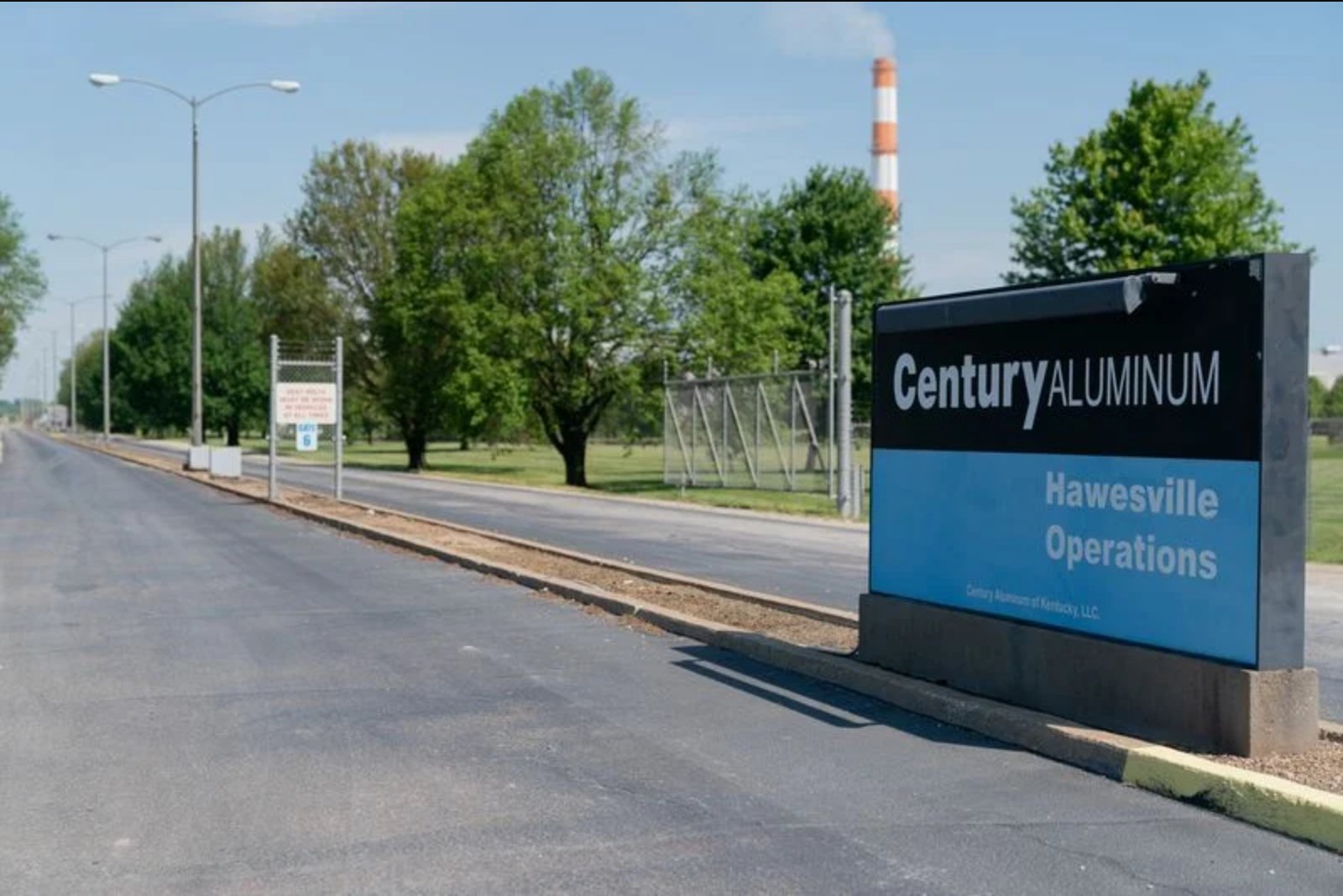
EGA operates aluminum smelters in the Middle East and runs an aluminum recycling plant in Minnesota. Century Aluminum, which would hold the 40% stake in the Oklahoma project, operates smelters in Iceland, South Carolina and Kentucky. Glencore is currently the largest shareholder in Century Aluminum, holding a 30% stake.
Nationally, the United States imports more than half of the aluminum it consumes each year, a trade imbalance that has been a focal point of recent tariff policies under the Trump administration. Proponents of the Oklahoma project have cited the need to bolster domestic supply as part of the rationale for supporting new capacity.
Next steps and uncertainties
The lawsuit is seeking court action to block the Inola smelter. Beyond the legal challenge, the project’s timeline remains subject to approvals, financing and the outcome of litigation. Construction had been slated to start by year-end and production to come online by the close of the decade, but the complaint places those benchmarks in doubt while the case proceeds through state court.
Conclusion
The state court filing crystallizes a clash between economic development ambitions tied to critical minerals and localized environmental and governance concerns. With federal funding already committed and political actors sharply divided, the dispute is likely to remain a focal point in both the gubernatorial contest and broader debates over industrial projects in rural communities with deep ties to farming and ranching.