
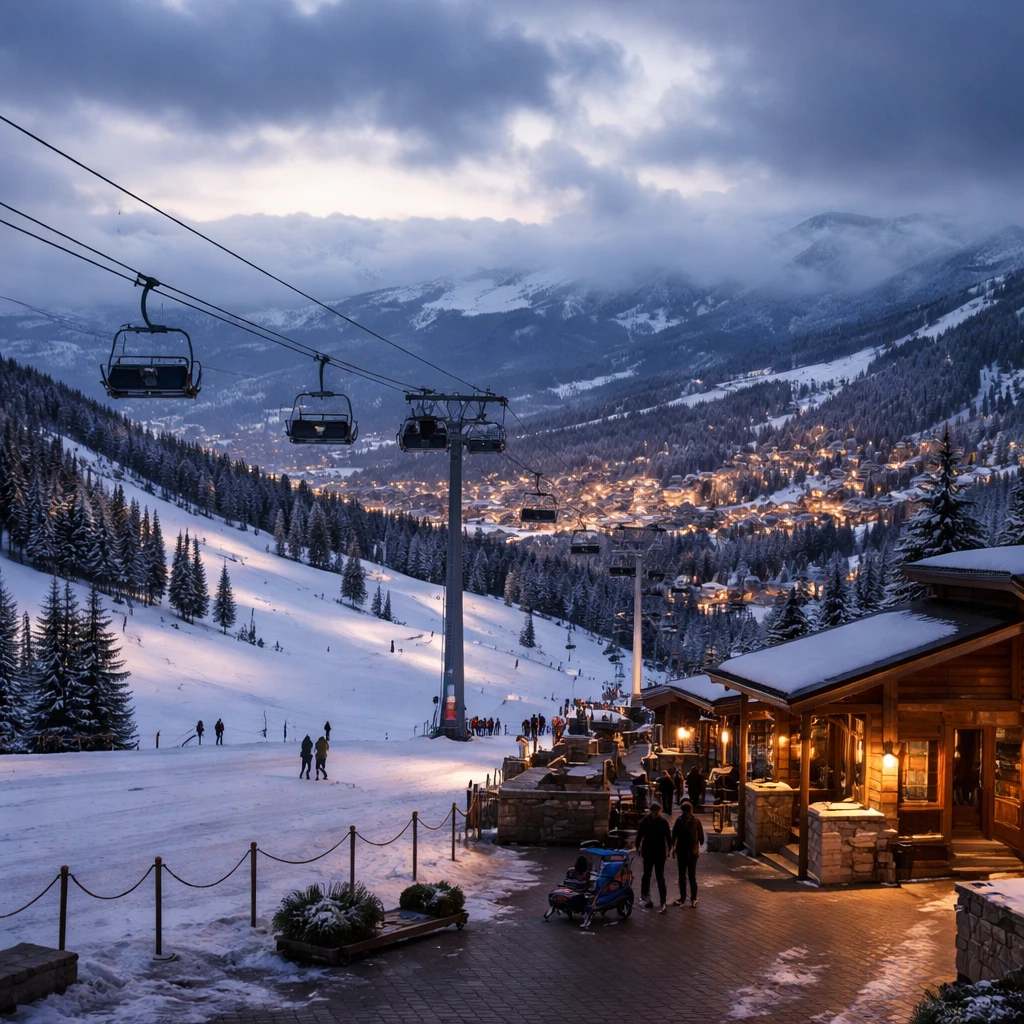
Activist investor Oasis Capital Management, which owns 7.9% of Vail Resorts Inc (NYSE:MTN), is weighing a proxy fight that could lead to changes at the company’s board and pressure to divest some of Vail’s mountain properties, people familiar with the matter said. That potential campaign arrives as the ski operator has taken steps to assess its exposure to outside interest.
In related developments, a separate report indicated that Vail has engaged takeover-defense bankers to review the company's vulnerabilities. Those conversations have reportedly included a focus on potential interest in Vail's mountain assets from external parties. One prominent individual who has been named in connection with possible bids is Matthew Prince, chief executive of Cloudflare, who has publicly signaled readiness to invest $500 million in Park City Mountain Resort and said he has been contacted by activist investors about Vail.
The initial reports prompted a decisive market reaction. Vail Resorts shares closed the session up 11.3% at $144.63, a rise of $14.70. Trading volume reached roughly 2.16 million shares, more than double the stock's three-month average of about 831,000 shares, reflecting a sharp repricing of the company's prospects amid the activism talk. After the latest update, shares were up 0.16% in after-hours trading.
Vail's chief executive, Rob Katz, who returned to lead the company in May 2025 after replacing his own hand-picked successor, expressed skepticism about the asset-light approach that some outsiders have advocated. "I’m not necessarily a fan of the asset light model, at least not for our company and in terms of where we’re trying to go," Katz said. On the prospect of specific outside interest, he struck a cordial but cautious tone: "I think it’s great to see the passion and enthusiasm that he has for us and for Park City... I don’t think we’re going to run down and follow anyone’s individual perspective."
Analysts and market participants note the timing of the activist pressure comes while Vail faces several operational and financial headwinds. Over the past year the company has contended with a disappointing snow season, a high-profile labor dispute with unionized ski patrol that unfolded during a peak holiday period, and consecutive earnings misses. Those factors are cited as contributing to a more vulnerable corporate position and may have heightened investor interest in strategic alternatives.
Should Oasis Capital move forward with a proxy contest, its stated potential objectives include replacing directors on Vail's board and urging sales of certain mountain assets. The company’s engagement of bankers to evaluate defensive options suggests management is taking the possibility of activism seriously, and the market's swift revaluation underscores investor sensitivity to the prospect of asset-level transactions or governance change.
At this stage, the situation remains fluid. Oasis Capital has the sizable stake that would allow it to press for change, Vail has initiated defensive reviews, and public comments from both potential outside investors and company leadership have become part of the public record. How the parties proceed and whether formal proxy materials or definitive divestiture plans emerge have not been reported.
Key points
- Oasis Capital holds a 7.9% stake in Vail Resorts and is considering a proxy fight to pursue board changes and asset divestitures.
- Vail has engaged takeover-defense bankers to assess vulnerabilities, with discussions touching on outside interest in mountain assets including Park City Mountain Resort.
- Market reaction was strong, with shares jumping 11.3% to $144.63 and trading volume more than doubling the three-month average; shares were up 0.16% in after-hours trading.
Risks and uncertainties
- Outcome uncertainty of any potential proxy contest - could affect corporate governance and strategy in the leisure and hospitality sector.
- Possible asset sales could alter Vail's operational footprint and have implications for local economies and the broader travel and recreation market.
- Ongoing operational pressures at Vail, including weather-driven performance, labor disputes, and recent earnings misses, increase strategic and market risk for shareholders.