
Economy August 2, 2026 04:48 AM

PBOC Commits to Timely Policy Adjustments and Support for Panda Bonds

Central bank vows ample liquidity, backing for local government debt resolution and steps to bolster Shanghai and Hong Kong as yuan hubs

By Avery Klein
Share
Twitter Reddit Facebook LinkedIn

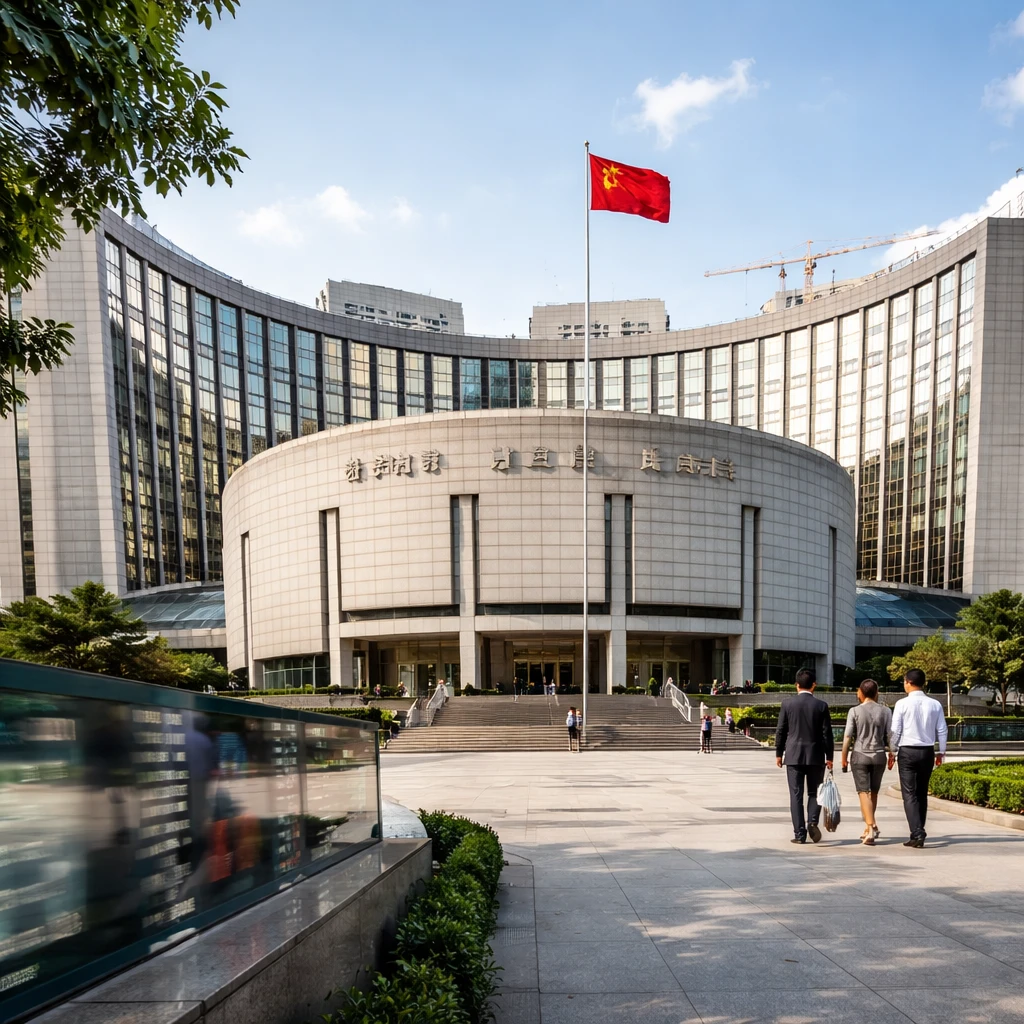
China’s central bank said it will keep monetary policy appropriately loose, maintain ample liquidity and adjust policy tools as needed, while facilitating issuance of yuan-denominated panda bonds and supporting market-oriented solutions for local government financing vehicles. The pledge follows a Politburo call to speed fiscal spending on budgeted infrastructure projects amid slower-than-expected second-quarter growth.

PBOC Commits to Timely Policy Adjustments and Support for Panda Bonds
Summarize with
ChatGPT Perplexity Claude Grok Gemini

Key Points

  • PBOC pledges timely adjustments to monetary policy tools and to maintain an appropriately loose stance and ample liquidity - impacts banking and financial markets.
  • Central bank will back debt risk resolution for local government financing vehicles and promote their market-oriented transformation - relevant to municipal credit and fixed income sectors.
  • Measures to facilitate panda bond issuance and support Shanghai and Hong Kong in cross-border and offshore yuan services aim to deepen yuan internationalization - affects capital markets and offshore finance hubs.

BEIJING, Aug 2 - The People’s Bank of China (PBOC) said on Sunday it would adjust monetary policy instruments in a timely fashion and take steps to encourage issuance of yuan-denominated panda bonds, according to a readout of a work meeting held to plan policy for the second half of the year.

The PBOC reiterated its intention to pursue an appropriately loose monetary stance and to keep liquidity plentiful. The statement outlined several priorities, including steadily advancing the higher-level opening of China’s financial market, promoting cooperation on infrastructure projects both domestically and internationally, and broadening the set of tools for liquidity management and risk hedging.

On local government financing vehicles, the central bank said it would continue to provide financial support for resolving debt risks and to push for their market-oriented transformation. The bank added it would support more foreign institutions in issuing panda bonds, assist Shanghai in strengthening cross-border and offshore financial services, and consolidate Hong Kong’s role as an offshore yuan hub.

The work meeting was chaired by PBOC Governor Pan Gongsheng. It came after the Communist Party’s Politburo urged faster fiscal spending this week on infrastructure projects that have already been budgeted for the remainder of the year. A summary of the Politburo discussion acknowledged the "difficulties and challenges facing the economy" and called for accelerating fiscal expenditure while making monetary policy more flexible and forward-looking.

The policy signals arrive against a backdrop of slowing growth: data released last month showed China’s economy expanded 4.3% in the second quarter, the slowest pace in more than three years and short of the lower bound of the government’s full-year target range of 4.5% to 5.0%.


This set of commitments frames the PBOC’s near-term approach as one focused on liquidity support, targeted risk resolution and measures to deepen financial market openness, while aligning with recent Party-level direction to accelerate fiscal implementation of already planned infrastructure projects.

Risks

  • Slower growth: Q2 GDP rose 4.3%, the weakest in over three years and below the lower end of the 4.5%-5.0% full-year target - this poses risks to economic momentum and demand-sensitive sectors such as infrastructure and manufacturing.
  • Uncertainty in local government debt resolution: continued need for financial support for local government financing vehicles introduces credit and market risks for municipal financing and fixed income investors.
  • Policy execution timing: the effectiveness of accelerating fiscal expenditure on already-budgeted infrastructure projects and making monetary policy more flexible depends on implementation, creating uncertainty for sectors tied to public investment and capital spending.

More from Economy

Bombing at Central Moscow Restaurant Kills Three, Injures 21 Aug 2, 2026 Drone Wave Strikes Volga Regions; Wildberries Warehouse Hit and Two Civilians Killed Aug 2, 2026 Hungarian firms linked to Orban trim big builds as new government reopens public contracts Aug 2, 2026 AI Drives Divergent Hiring Trends in UK, Boosting Senior Tech Roles While Cutting Frontline Vacancies Aug 2, 2026 Rising Voter Backlash and Federal Controls Present Immediate Policy Risks to AI-Driven Data Center Investment Aug 1, 2026