
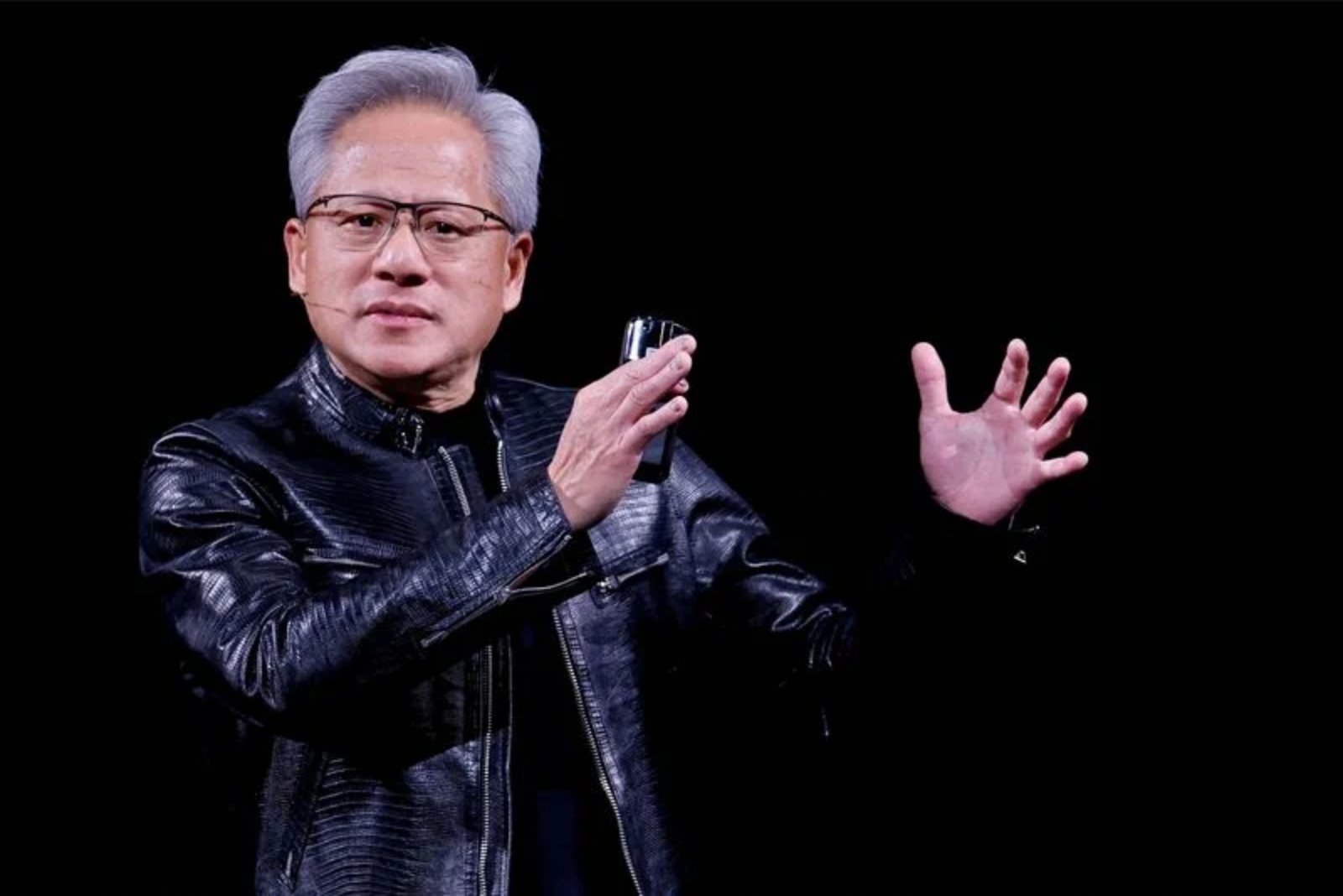
Nvidia Chief Executive Jensen Huang is back in South Korea this week for his second trip in roughly seven months, and his schedule mixes boardroom diplomacy with a splash of showmanship. In addition to meetings with top memory and robotics executives, Huang will make a television appearance and throw the ceremonial first pitch at a professional baseball game.
The blend of formal and public events emphasizes the strategic importance of South Korea to Nvidia’s AI business. Two domestic firms - Samsung Electronics and SK Hynix - together provide about 70% of the memory capacity used in high-end AI chips like those produced by Nvidia. That concentration of memory production, coupled with South Korea’s advanced manufacturing and robotics capabilities, positions the country as a key node for what industry participants call physical AI - the integration of artificial intelligence into robots, automobiles and factory systems.
"Nvidia’s dependence on South Korean suppliers is rising," Jeff Kim, an analyst at Seoul-based KB Securities, wrote in a research note. Kim added that Huang "needs a manufacturing site for physical AI," and that "South Korea is emerging as a perfect testbed."
South Korea is also an important customer market for Nvidia. The company announced in October that it would deliver more than 260,000 of its most advanced AI chips to the South Korean government and several of the country’s largest corporations. That commercial relationship has taken on new significance for Nvidia and its partners after trade restrictions complicated sales of high-end chips to China, prompting firms that operate high-end fabs to rely more heavily on suppliers and customers in friendly markets.
"South Korean companies are running high-end factories, which need a lot of these kinds of chips," said Seung-yub Lee, a fund manager at Seoul-based Quad Investment Management.
Huang met with South Korean tech executives on the opening day of the industry trade show Computex in Taipei, where he described Korea as "a critical part of our ecosystem." When asked about potential investment areas, he pointed to robotics and noted that "Korea is a manufacturing country, and Korea has a population limit." He also said, "We have a lot to do together."
Huang’s public schedule in South Korea includes an appearance on one of the country’s most-watched talk programs, "You Quiz on the Block," which its production company likens to prominent late-night shows in the United States. He will also wear a Doosan Bears jersey to deliver the first pitch at Sunday’s home game against the Kiwoom Heroes, with Doosan Group Chairman Park Jeong-won set to serve as the ceremonial first batter.
Doosan-affiliated businesses develop robotic systems and manufacture materials that are used in chips like Nvidia’s latest Blackwell-series processors, creating corporate links that cross hardware, materials and systems integration.
Observers say Huang’s current itinerary reflects lessons from his October visit. A now-notable meeting over chicken and beer with the chiefs of Samsung Electronics and Hyundai Motor at a casual outlet generated significant media attention and underscored how informal encounters can amplify corporate diplomacy.
Local coverage suggests Huang may dine at a Korean barbecue restaurant in Seoul’s Sungsu neighborhood with executives from SK Group, Hyundai Motor and LG Group. Other reports indicate likely meetings with LG Group Chairman Koo Kwang-mo and executives from South Korea’s leading online platform, Naver.
The trip unfolds as the South Korean government, led by President Lee Jae Myung, has elevated AI investment as a policy priority. The president has made clear an ambition to position South Korea among the world’s top three AI powers, part of a broader strategy to counteract the economic challenges posed by a declining population.
Huang’s combination of high-level corporate talks and public-facing appearances serves multiple purposes: reinforcing supply and commercial ties, highlighting South Korea’s industrial strengths to potential investors and partners, and cultivating goodwill with both business leaders and the wider public.
Contextual note: The itinerary and comments cited above reflect public statements, analyst notes and locally reported accounts of Huang’s activities and planned meetings in South Korea. Details such as specific dinners and meetings were reported in local media and industry coverage.