
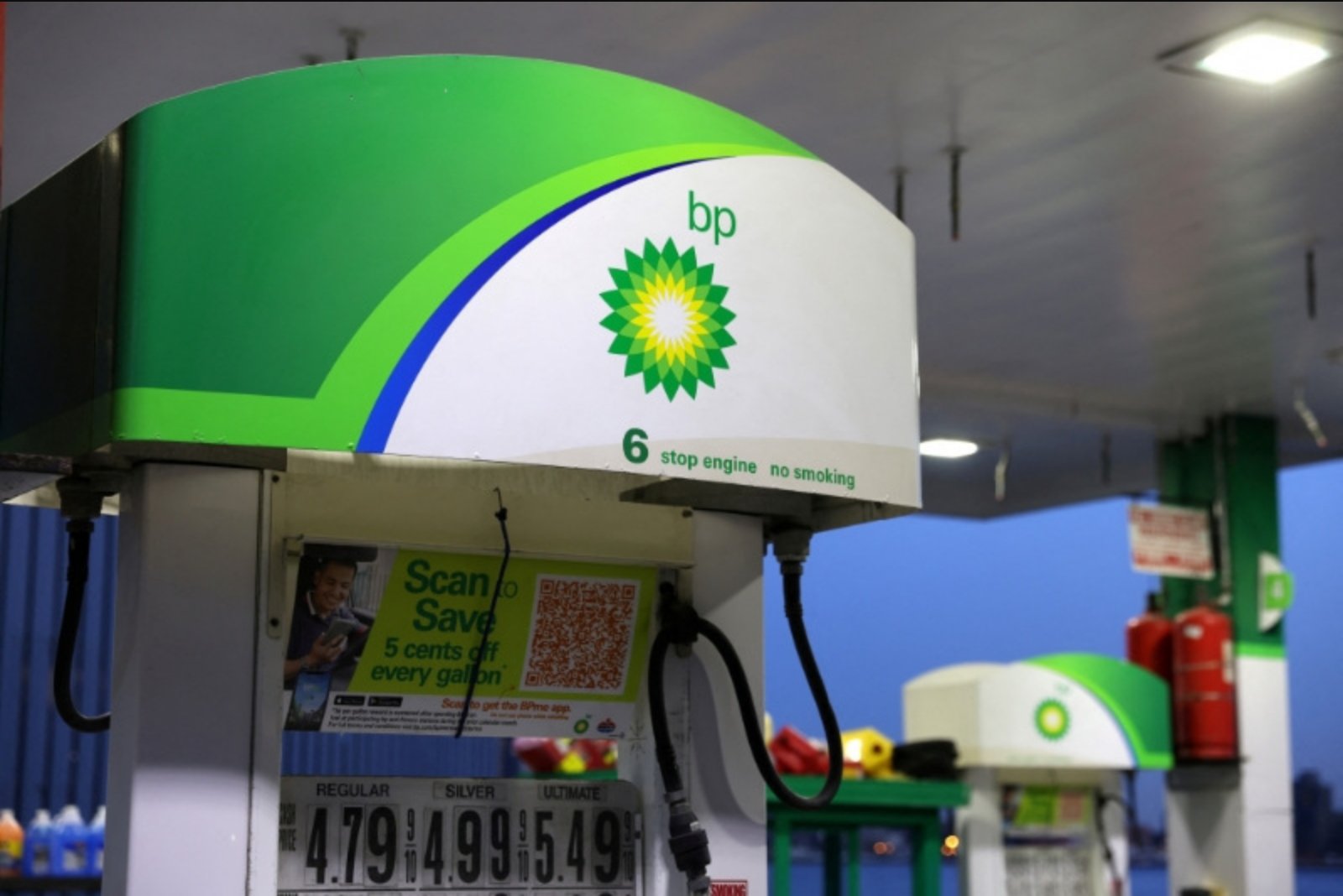
Negotiations between BP and union representatives for employees at the Whiting, Indiana, oil refinery resumed on Monday but concluded without a new contract. The lockout at the 440,000-barrel-per-day facility - the largest refinery in the U.S. Midwest - moved into its third month this week, with about 800 workers still barred from their jobs since March 19.
BP said that during Monday's meeting the United Steelworkers again asked the company to lift the lockout, but that the union remained unwilling to continue substantive discussions on several items it described as critical to the refinery's future. In a statement, BP said talks could only proceed while the lockout remained in effect.
The union has outlined a range of outstanding concerns in bargaining, including potential job cuts, reductions in pay, management rights language, seniority provisions and the length of a proposed six-year agreement. USW Local 7-1 President Eric Schultz criticized BP's tactics in a statement, saying the company was attempting to use "mortgage payments, grocery bills, health care worries, and family pressure as bargaining leverage." He added: "We are ready to bargain, but British Petroleum should stop using this lockout to pressure workers and their families into accepting concessions."
BP has maintained operations at the Whiting complex by relying on contract workers while the lockout persists. The stoppage has coincided with an environment of elevated fuel prices, a situation the company said has been affected by disruption tied to the closure of the Strait of Hormuz, a waterway through which about one-fifth of the world's oil transits, amid the ongoing Iran war.
Company comments described the union's request to lift the lockout and the union's statements describing the company's apparent bargaining strategy. Beyond those exchanges, both sides have not announced any resolution or timetable for progress.
Last month the Whiting refinery experienced a brief power outage that led to the temporary shutdown of one of its processing units. BP has continued to operate the refinery through the lockout and related measures, but no new labor agreement has been reached to restore the regular workforce.
What to watch next: Whether BP and the USW identify a path to resume meaningful bargaining while either maintaining or ending the lockout, and how the labor standoff interacts with broader fuel price movements tied to regional oil transit disruptions.