
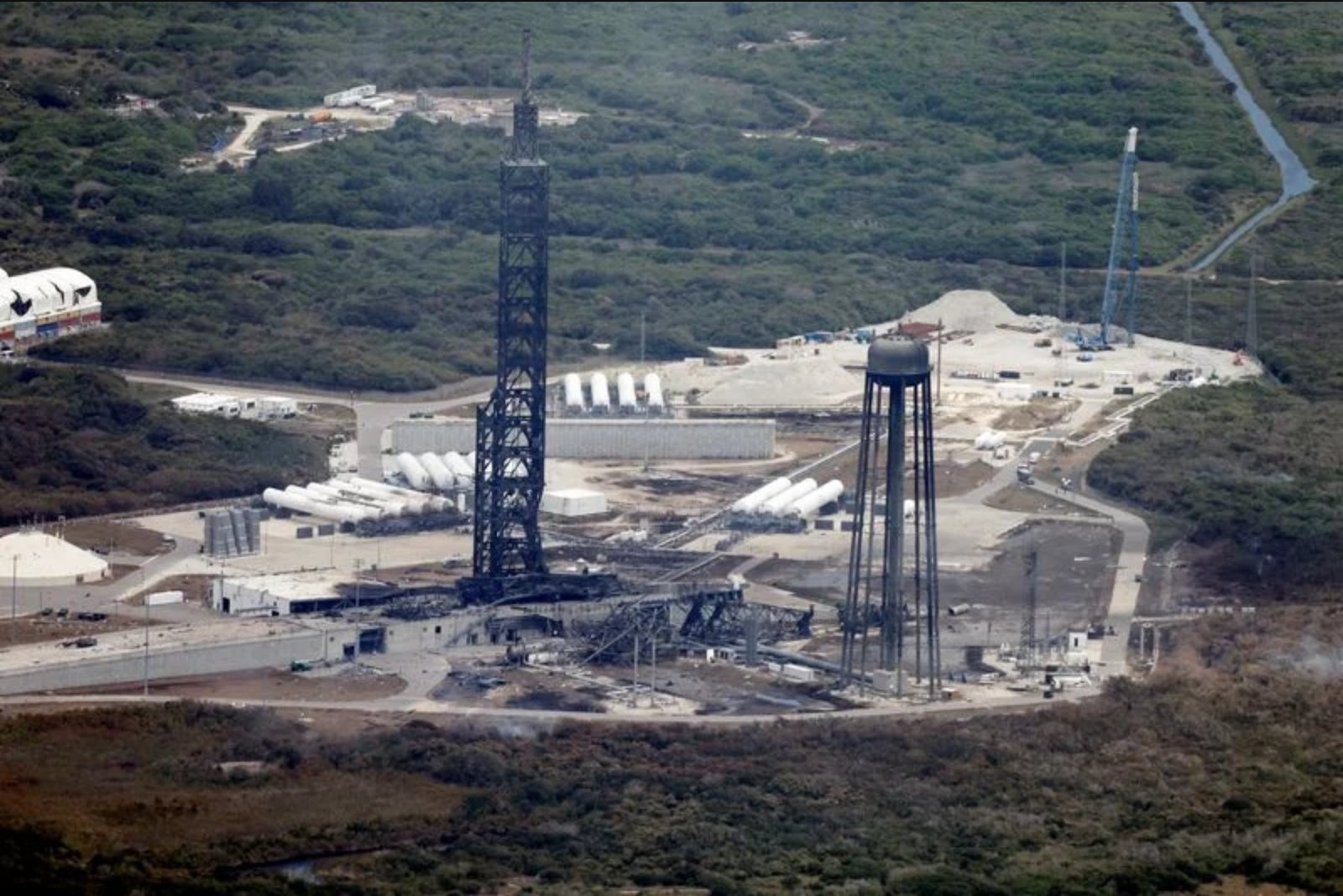
NASA Administrator Jared Isaacman told CNBC on Monday that repairing the damaged Blue Origin launch pad will require extensive work, saying the effort will "take some serious time." In the same interview he noted that a 2028 timeframe for recovery was "within the realm" of possibility.
The damage followed a dramatic failure during a routine static "hot-fire" engine test last week. The company’s large two-stage New Glenn vehicle erupted into a "colossal fireball" while it was bolted to the launch tower, in an incident that occurred at a U.S. Space Force facility in Cape Canaveral, Florida.
Company and industry sources reported over the weekend that the explosion left the launch pad "practically destroyed," and that engineers expect repairs will interrupt operations for at least six months. Those assessments underline the scale of the damage and the complexity of returning the site to normal service.
Officials confirmed that there were no injuries from the mishap. In addition, none of the Amazon Leo satellites that had been scheduled for the rocket’s upcoming flight had been integrated into the payload at the time of the incident, meaning the cargo was not on the vehicle when it exploded.
The New Glenn rocket, named for astronaut John Glenn, had been preparing for what would have been its fourth flight to orbit since January 2025. The vehicle is also intended to play an important role in delivering lunar landers and cargo under NASA’s Artemis program.
The test failure comes at a sensitive moment for the company and for Jeff Bezos’ related satellite ventures, which had been looking to expand their presence in the commercial launch market and compete more directly with the market leader. The reported physical destruction of the pad and the anticipated multi-month disruption to launch operations represent immediate operational challenges for Blue Origin.
In his remarks, the NASA administrator emphasized the significance of the damage and the need for a measured, engineering-led repair process. Beyond the immediate site restoration, the incident raises questions about the near-term scheduling of flights that had been planned from the Cape Canaveral facility.
As the assessment and repair planning continue, company engineers and industry observers will be monitoring how long the recovery will take and what the operational and contractual implications will be for planned satellite deployments and Artemis-related missions.
Location: Cape Canaveral, Florida - U.S. Space Force launch facility
Vehicle: New Glenn two-stage rocket