
Stock Markets May 20, 2026 07:43 AM

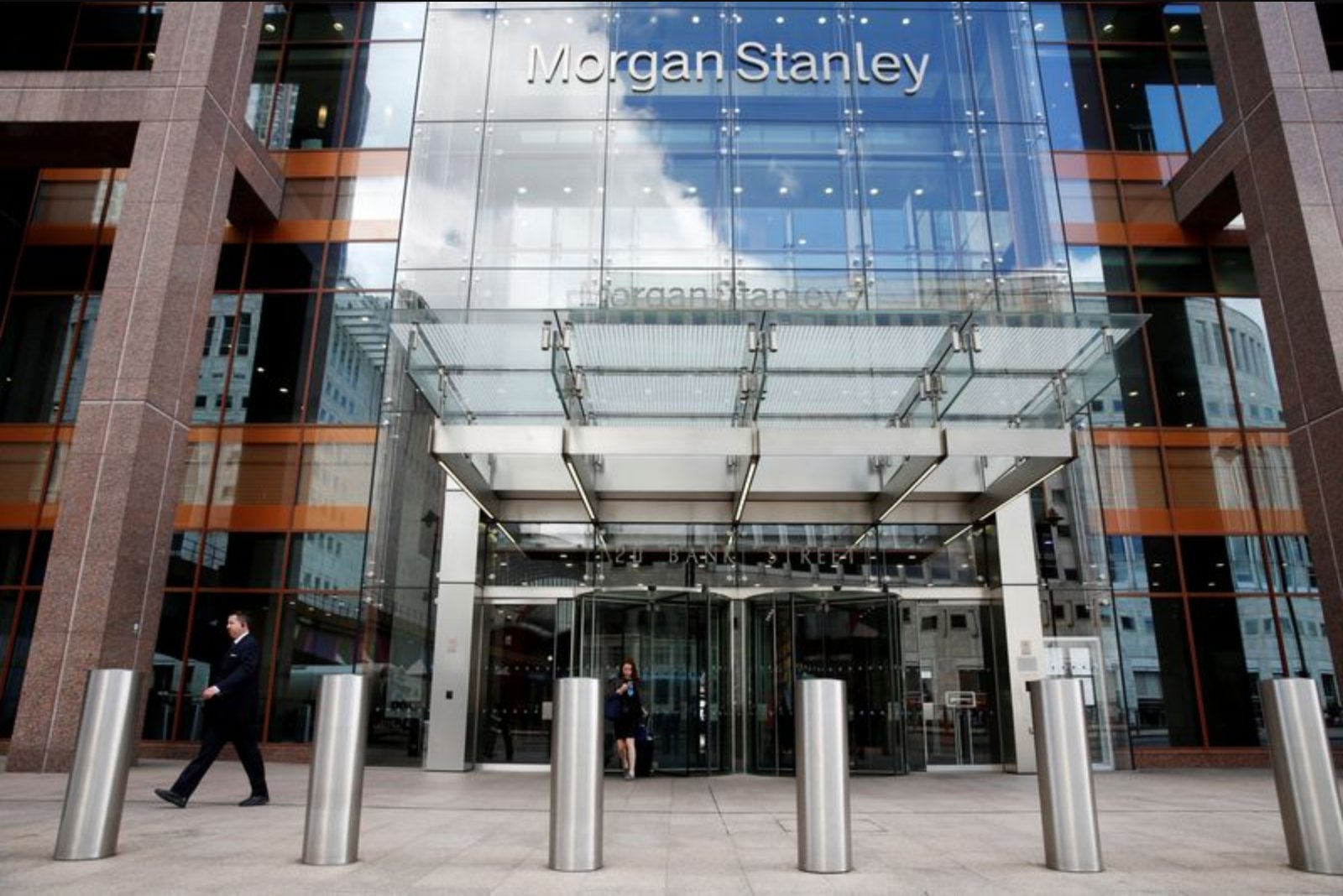
Morgan Stanley Issues Dedicated Devices for Staff Traveling to Mainland China

Hong Kong-based bankers instructed to use bank-issued iPhones and iPads while working on the mainland as firms tighten cross-border data controls

By Sofia Navarro MS

Morgan Stanley has asked its Hong Kong-based bankers to carry mobile devices provided by the firm when they travel to mainland China. The devices, reported to be iPhones and iPads, are to be used for business activity while on the mainland. The bank has not given staff a reason for the policy. The move comes as international banks operating in Greater China continue to separate onshore data systems from global systems amid heightened scrutiny of cross-border data flows.

Morgan Stanley Issues Dedicated Devices for Staff Traveling to Mainland China
MS

Key Points

  • The bank has provided iPhones and iPads for Hong Kong-based bankers to use when working in mainland China.
  • The device-use policy applies only to the mainland and the bank has not given staff a stated reason for the change.
  • The action aligns with international banks' broader practice of separating onshore data systems from global systems amid scrutiny of cross-border data flows.

Morgan Stanley has instructed its Hong Kong-based investment bankers to carry mobile devices issued by the firm for use specifically during business travel to mainland China. According to a source with direct knowledge of the matter, the devices issued in recent months are Apple iPhones and iPads, and staff have been asked to use those devices when working from the mainland.

The bank has implemented the policy only for device usage in China, and it has not provided employees with an explicit explanation for the change. Morgan Stanley declined to comment.

This requirement affects bankers who regularly travel to the mainland for client meetings and due diligence related to China listings. Morgan Stanley is a leading arranger of China listings in Hong Kong, and its investment bankers frequently travel to the mainland as part of that business.

The development sits within a broader pattern among international banks operating in Greater China. These institutions have largely ring-fenced onshore data systems, keeping them separate from global systems, following increased scrutiny of cross-border data flows in 2021. The new device policy at Morgan Stanley appears to be a further operational step tied to that same environment of tighter data controls.


Context and implications

For bankers who move between Hong Kong and mainland China, the requirement to carry firm-issued mobile devices could change routine practices around client engagement and due diligence. The instruction to use iPhones and iPads for work on the mainland is limited to that jurisdiction under the current policy, according to the source. The bank has not extended the directive to other locations.

While the bank did not explain its rationale, the measure is consistent with industry trends toward compartmentalizing onshore data environments from global infrastructures in response to regulatory scrutiny of cross-border data transfers.


Key takeaways

  • Morgan Stanley has issued iPhones and iPads for Hong Kong-based bankers to use while working on the Chinese mainland.
  • The policy is confined to device usage in China and the bank has not provided staff with a stated reason for the change.
  • The move aligns with wider industry practices of ring-fencing onshore systems amid intensified oversight of cross-border data flows.

Risks

  • Uncertainty over the bank's rationale - the firm did not provide an explanation for the new device policy, which could leave staff and stakeholders unclear about operational or compliance drivers. (Impacted sectors: Banking, Corporate Compliance)
  • Operational friction for bankers - requiring dedicated devices for mainland travel may create logistical challenges for staff who frequently move between jurisdictions. (Impacted sectors: Investment banking, Capital markets)
  • Regulatory ambiguity - continued scrutiny of cross-border data flows and the practice of ring-fencing onshore systems could result in evolving requirements that affect how international banks manage client-facing technology. (Impacted sectors: Financial services, Technology infrastructure)

More from Stock Markets

S&P Global Upholds Fast-Entry Rules Ahead of SpaceX Public Debut Jun 4, 2026 Insperity Shares Climb After CEO Buys 233,000 Shares Jun 4, 2026 SpaceX Signals Firmness on $135 IPO Price as Roadshow Begins Jun 4, 2026 CME Chief Warns CFTC Approval of Perpetual Crypto Futures Could Create Systemic Risk Jun 4, 2026 AmperCap Raises $125 Million in NASDAQ Listing as It Targets U.S.-Mexico Middle-Market Deals Jun 4, 2026