
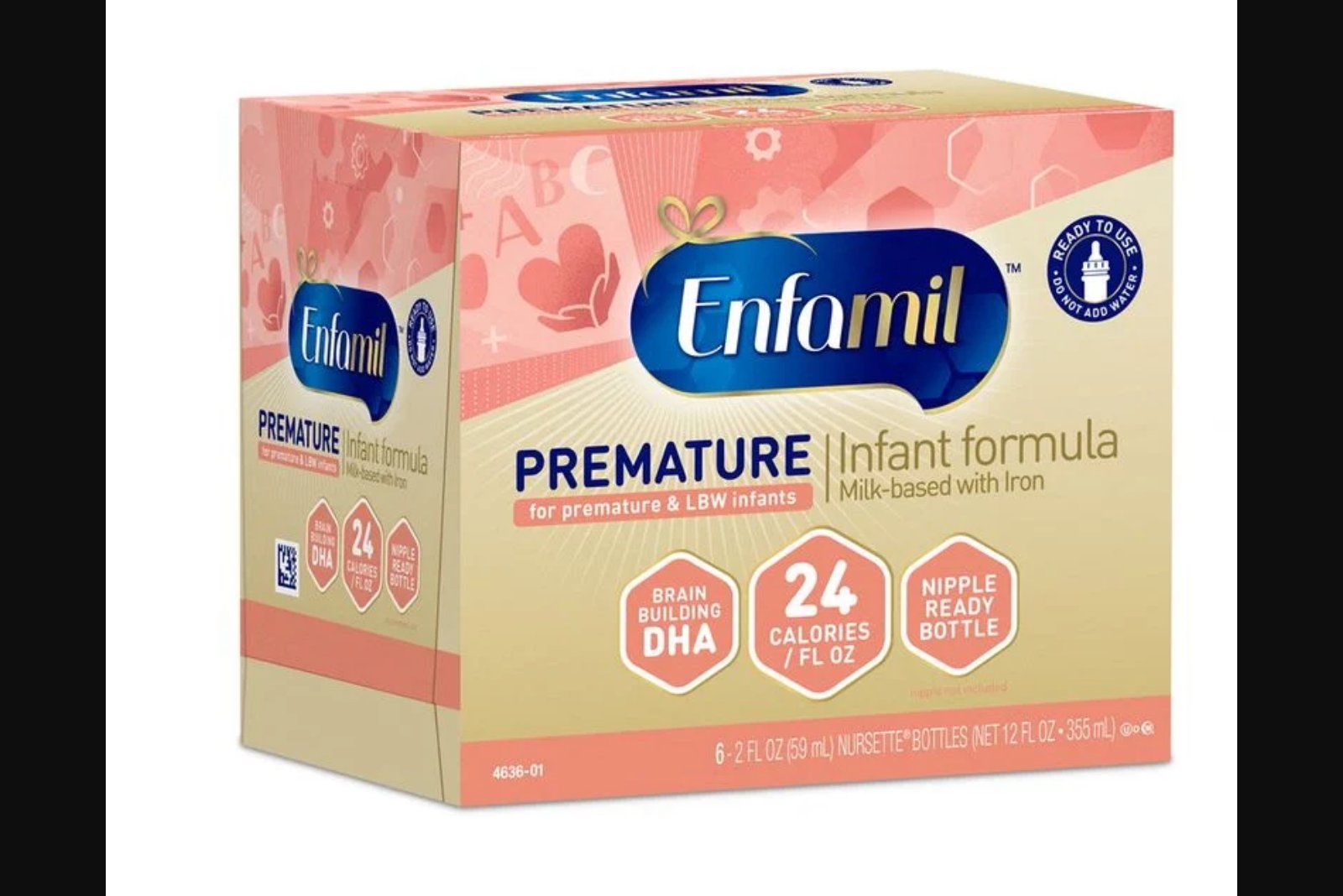
A Missouri state court jury in St. Louis returned a verdict on Thursday in favor of Mead Johnson, a unit of Reckitt, rejecting a claim that the company's specialized formulas for preterm infants caused a serious bowel condition in a child. The lawsuit was brought by an Illinois mother, Cadence Collins, who alleged her daughter suffered lifelong injuries after contracting necrotizing enterocolitis - commonly abbreviated as NEC - following consumption of Mead Johnson's product.
Necrotizing enterocolitis primarily affects premature newborns, leading to the death of bowel tissue. The disease carries an estimated mortality rate of more than 20%.
The case in St. Louis is one of nearly 1,000 similar suits filed against Enfamil maker Mead Johnson and against Abbott Laboratories, the manufacturer of Similac formulas. More than 700 of those claims are centralized in an Illinois federal court. Additional cases remain active in state courts across Illinois, Missouri and Pennsylvania.
Mead Johnson issued a statement following the verdict, saying it "strongly reject[s] any assertion that any of our specialized preterm hospital nutrition products cause NEC." The company reiterated its position that its products are not the cause of the bowel disease.
Both companies involved in the broader litigation have pointed to the protective benefits of breast milk, which clinicians have long recognized as reducing the risk of NEC. They maintain, however, that their formulas do not cause the disease.
Attorneys representing Collins said they disagreed with the jury's decision and indicated they would assess all available options on behalf of their client.
The products at issue in these cases are cow's milk-based formulas and breast milk fortifiers formulated specifically for use in hospital neonatal settings. These are not the ordinary retail infant formulas sold in consumer stores.
Abbott's chief executive, Robert Ford, in 2024 suggested that litigation over these products could lead to their becoming unavailable. Litigation outcomes have so far been mixed: some juries have ruled for manufacturers, while others have ruled for parents.
In a recent appellate development, an Illinois appeals court overturned a $60 million verdict against Mead Johnson, which had found the company liable for failing to warn that its products for premature infants could cause NEC. The appeals court said the trial jury had not been properly instructed on the law.
Context and implications
The St. Louis verdict adds to a patchwork of trial outcomes that continue to shape the broader litigation landscape for manufacturers of specialized neonatal nutrition. With more than 700 cases centralized in a single federal docket and others spread across state systems, future rulings and potential appellate decisions will continue to influence availability, manufacturer responses and legal exposure.