
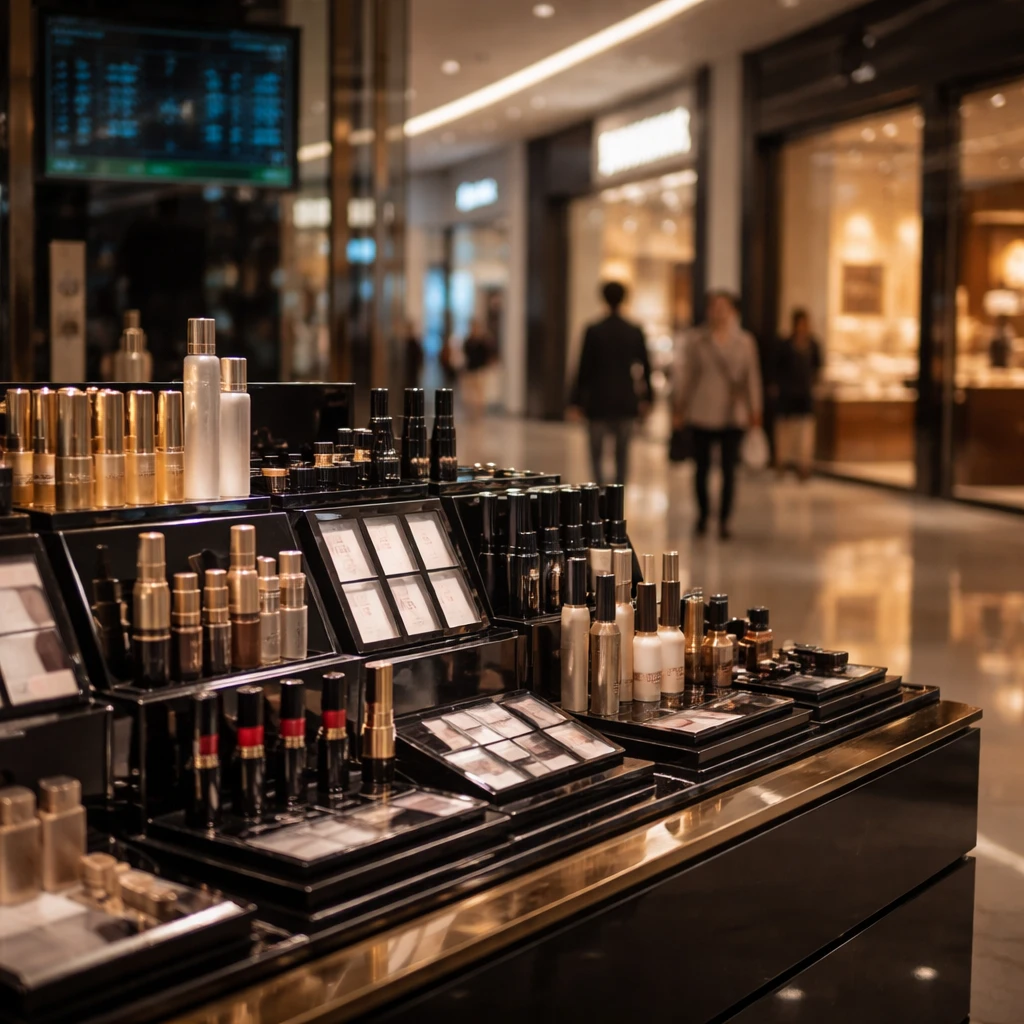
Mao Geping Cosmetics shares fell 2.5% in today’s trading to HK$59.55, reaching an intraday low of HK$58.65 as investors pushed the stock closer to the bottom of its 52-week range of HK$55.40 to HK$130.60. No new earnings report, analyst note beyond Morgan Stanley’s action, or corporate announcement emerged to counteract selling pressure during the session.
Analyst revision
Morgan Stanley lowered its price target for Mao Geping (HK:1318) to HK$72 from its prior target, citing expectations of slimmer profit margins and higher advertising spending. The bank trimmed its sales forecasts for 2026 and 2027 by 2% to 3%, and now forecasts year-over-year sales growth of 27% for 2026 and 21% for 2027. While online sales have been robust this year—helped by broader key opinion leader livestreaming activity and demand for makeup—Morgan Stanley noted the company’s skincare line is more dependent on offline retail, which may be affected by softer premium mall traffic observed in April and May.
To reflect higher online advertising and promotional costs, Morgan Stanley cut its operating profit margin assumptions to 28.8% for 2026 and 27.8% for 2027. These margin adjustments translated into earnings per share estimate reductions of 5% for 2026 and 7% for 2027. The bank also reduced its target price-to-earnings multiple to 21 times 2026 estimates from 28 times previously, producing an overall 28% decrease in the price target.
Market backdrop
The Hang Seng Index traded near flat in the session at approximately 25,599, offering little broader market support for consumer discretionary stocks. Within Hong Kong-listed Chinese equities, investors rotated into technology names while finance and technology services lagged, and electronic technology shares rose. That sector rotation left consumer-facing names, including Mao Geping, without the sector momentum that can support rebounds.
Investors remained cautious amid ongoing US-Iran peace negotiations, which market participants continued to watch for signs of de-escalation. The absence of a clear macro tailwind combined with the stock’s proximity to multi-month lows contributed to the decline in Mao Geping’s share price during the session.
Context on demand and positioning
China’s cosmetics retail market reached a record 465.3 billion RMB in 2025, up 5.1% year-over-year, indicating that underlying consumer demand for cosmetics remains intact. Nonetheless, the short-term drivers for the company’s share price appear to be investor positioning and macro caution rather than a deterioration in overall market demand.
Takeaway
The stock’s retreat reflects a combination of a lowered analyst price target, adjustments to margin and earnings forecasts, and a market rotation away from consumer discretionary names. With no company-specific catalyst to offset these headwinds during the session, Mao Geping’s shares were vulnerable to further selling as they approached the lower end of their 52-week range.