
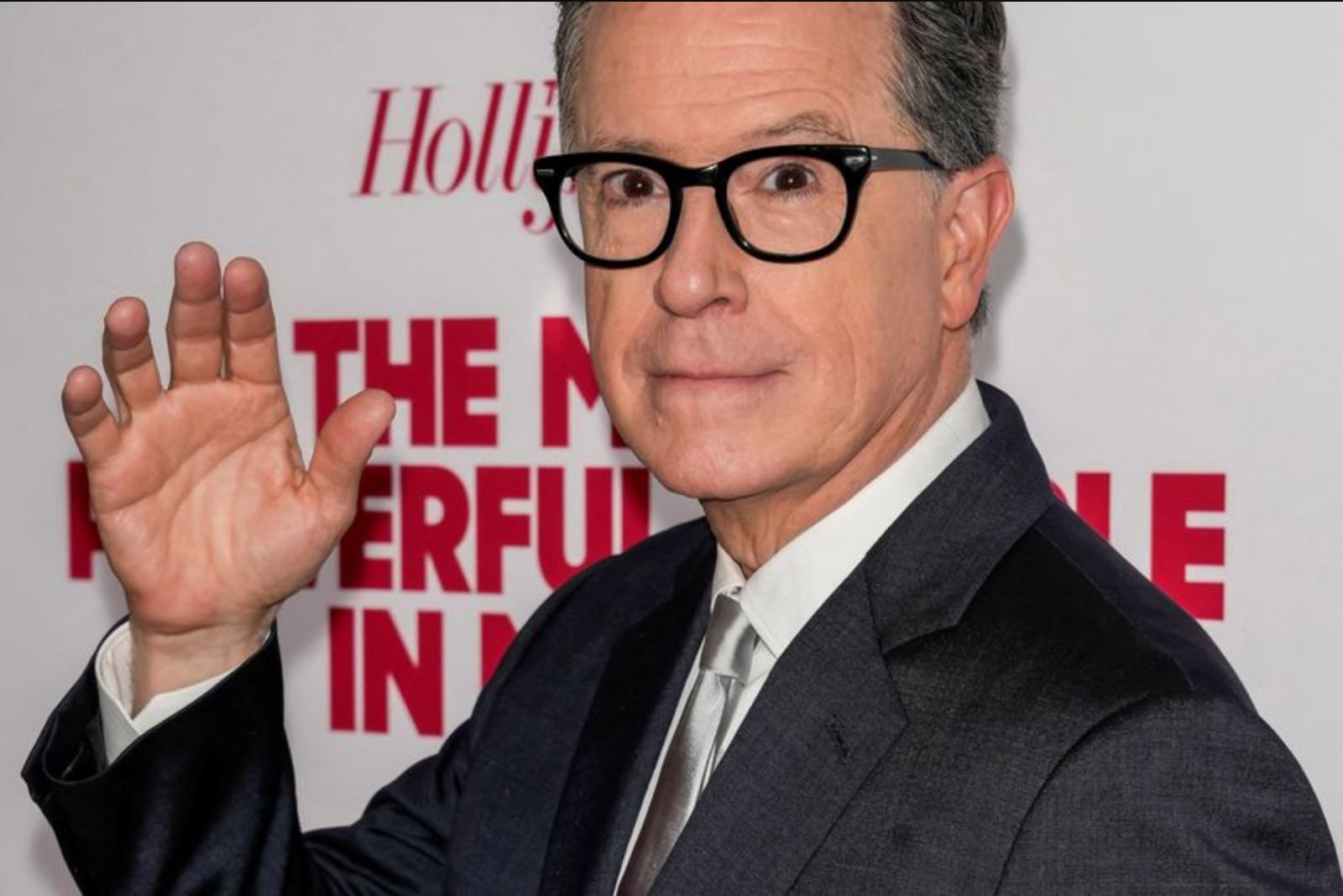
Stephen Colbert’s exit from CBS’s "The Late Show" marks the end of a long-running broadcast franchise, but it does not signal the demise of late-night comedy as a whole. Rather, the business and creative center of gravity for that genre is shifting from big-network TV into podcasting and digital video, where production costs are lower and creators retain ownership.
Former late-night figures have already demonstrated the move. Conan O’Brien, Chelsea Handler and Samantha Bee have found renewed reach and sustainability in podcast formats. They have been joined by established performers such as Amy Poehler, stand-up acts like Theo Von, and newer faces including Kareem Rahma, whose subway-based celebrity interviews in New York City have drawn notable attention.
One of the most striking examples of the shift is Trevor Noah, who transitioned from hosting "The Daily Show" to producing a podcast titled "What Now? With Trevor Noah." His YouTube channel has amassed nearly 4.6 million subscribers, a total audience that is more than ten times the size of his television-era audience on Comedy Central, which reportedly averaged 372,000 viewers in his final year as host. "YouTube is fantastic. It’s a place where I get to make the shows that I want, with the people that I want, in a way that I want," Noah said while hosting YouTube’s upfront presentation to advertisers this month.
Economic dynamics help explain why talent is shifting platforms. Network late-night viewership has been declining, and the economics once supporting high-cost production have altered significantly. The top comedy programs on network television could generate in excess of $100 million a year roughly fifteen years ago; those financial conditions no longer obtain. At the same time, some flagship productions remain expensive to sustain. Colbert’s "The Late Show" reportedly employed an estimated 200 people across writers, producers, musicians and support staff, and the program was losing as much as $40 million a year.
By contrast, podcast production can cost a fraction of traditional television shows. Ownership matters as well: podcast hosts often retain control of their program, enabling them to capture revenue streams from advertising, direct subscriptions, sponsorships, events and product sales. Ad buyers have followed audiences into those formats. According to ad tracking firm Guideline, at least $30 million in ad spending has shifted from television comedy shows to podcasting over the past quarter. Over a longer horizon, ad spending on late-night television has fallen nearly 60% since 2017.
Platform dynamics are amplifying the trend. Video podcasting on YouTube has blurred the lines between conventional TV talk shows and online content. Edison Research at SSRS identifies YouTube as the most popular destination for weekly podcasts, ahead of Spotify and Apple. Viewers in October alone watched more than 700 million hours of podcasts on YouTube from their living rooms, up from 400 million hours the prior year.
Conan O’Brien’s transition provides a useful case study. He launched the "Conan O’Brien Needs a Friend" podcast eight years after leaving NBC’s "The Tonight Show" in 2010. Since its debut in 2018, the program ranks 15th among the nation’s top 50 podcasts according to Edison Research and has accumulated more than 230 million downloads. "He got pushed off late-night," said Megan Lazovick, Edison’s vice president of research. "Now, he has this huge career, and really the freedom to do whatever he wants." The freedom to experiment and control distribution is a recurring theme among industry executives and talent representatives.
Ben Davis, co-head of digital at the WME talent agency, framed the distinction in ownership plainly: "You’re not just a hired host on someone else’s real estate," he said. "You can own your show, do what you want with it creatively." Davis noted that building a podcast business through advertising, sponsorships and licensing can produce returns that "dwarf the upfront compensation" a talent might receive from a traditional television contract. He declined to provide specific financial details about the agency’s clients, which include Colbert.
Industry-level payment flows reflect the shift. WPP estimates that podcast ad revenue rose by 25% in the first quarter of this year compared with the same period a year ago. Guideline’s Sean Wright acknowledged comedy’s tension with brand-safety concerns, but highlighted the genre’s defining impulse: "The whole point is to push on boundaries to make things funny." Advertisers and agencies appear to be calibrating those trade-offs as dollars move toward creator-led formats.
Not every departing TV host is moving directly into podcasting. Colbert, for example, is pursuing a film project with director Peter Jackson based on the early chapters of J.R.R. Tolkien’s "The Lord of the Rings: The Fellowship of the Ring." Announcing the project in a YouTube video, Colbert said, "I will see you all in the shire."
Commercial tie-ins and audience measurement shifts are central to how markets are responding. Platforms such as YouTube provide a combination of scale and monetization options that can replicate many functions of television for a fraction of the cost, while allowing talent to maintain creative and financial control. Ad dollars, audience metrics and talent preferences together point to a reallocation of resources within the comedy and broader media ecosystem.
Those dynamics are already reflected in market tools and promotional services. One artificial-intelligence driven stock selection product described in recent marketing materials evaluates Google parent company Alphabet (ticker: GOOGL) alongside thousands of companies using over 100 financial metrics. The same material noted past AI-identified winners including Super Micro Computer with a reported rise of 185% and AppLovin with a reported rise of 157%. The marketing claims an unbiased, data-driven approach to identifying stocks with favorable risk-reward characteristics, and offers to show whether GOOGL is featured in any of its strategies.
As legacy late-night programs wind down or restructure, podcasts and digital video formats have emerged as both creative outlets and commercial platforms. The shift carries implications for advertising, talent compensation, production employment and platform economics across media, advertising and technology sectors.