
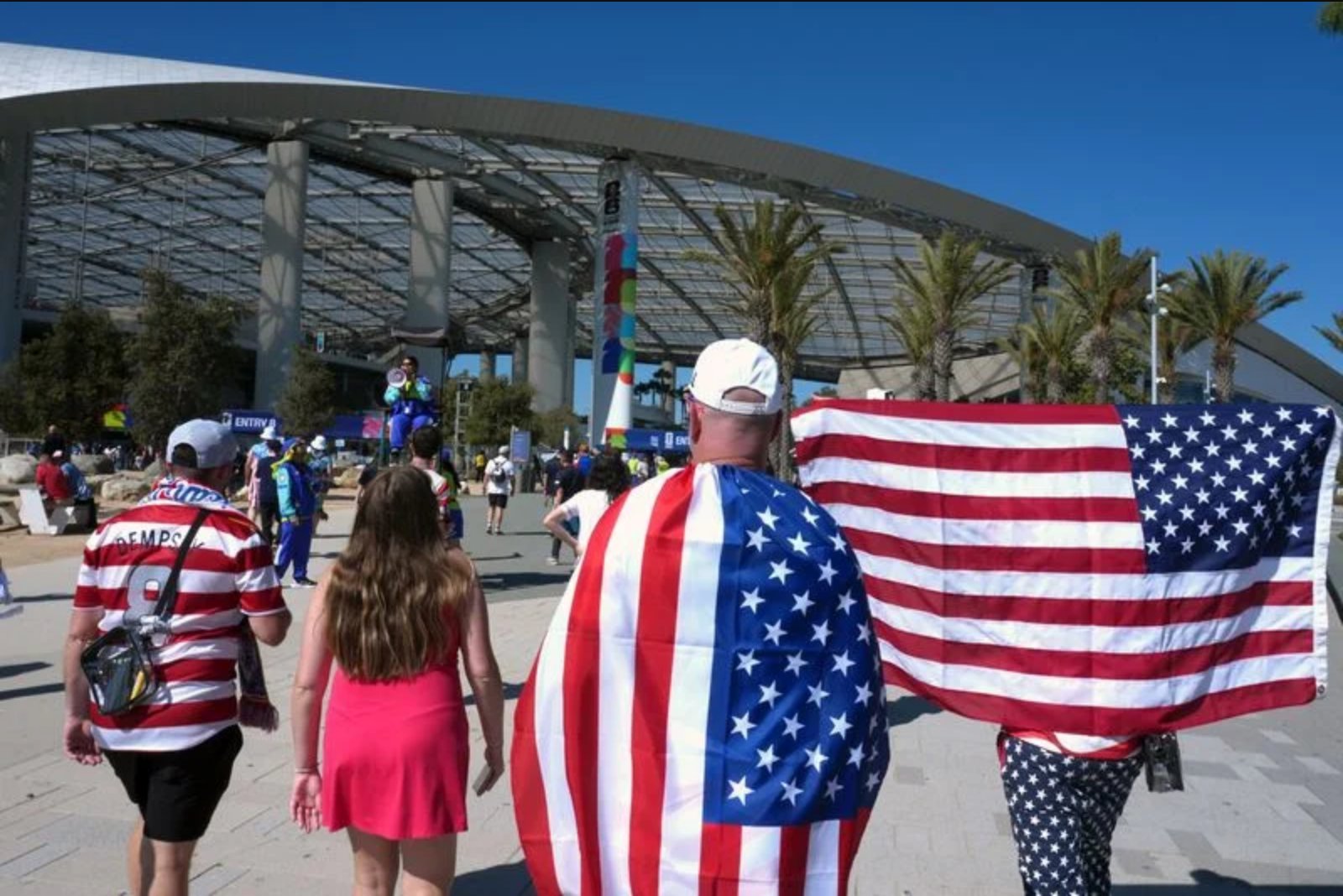
Jeremy and Sarah Wright planned for more than 10 months to attend a World Cup match as a gift and a celebration. Jeremy bought two tickets through the U.S. resale outlet StubHub, expecting to watch the Netherlands play Japan on June 14. After driving from Austin to Dallas and joining fellow supporters in their hotel, the couple received an email from StubHub roughly five hours before kickoff saying the tickets could not be delivered.
The message, reviewed by Reuters, said StubHub had located replacement tickets at no additional charge under its FanProtect Guarantee. But when Jeremy Wright followed the steps provided to claim the replacements, the only option presented by the platform was a refund. After hours of trying to reach customer service and waiting for assistance, the Wrights abandoned their plans and returned to Austin in the rain.
The Wrights are among dozens of buyers who used social media this month to recount last-minute cancellations on StubHub that left them empty-handed despite earlier assurances that substitute seats would be provided. The problem is unfolding during the first North American World Cup in more than three decades and follows debate over FIFA’s decision to introduce dynamic pricing on its official platform.
StubHub clarified that it is not an official World Cup ticketing partner and functions only as a resale marketplace. According to a company spokesperson, StubHub neither owns the tickets listed on its platform nor sets original sale prices. The spokesperson attributed the cancellations to delivery failures by individual sellers and said that FIFA’s ticketing infrastructure was affecting ticket transfers across third-party resale platforms.
FIFA pushed back on the notion that its system was responsible for transfer failures on third-party sites. The governing body urged fans to use its official resale platform and said its World Cup ticketing services are operating reliably at scale. FIFA emphasized that its resale and exchange marketplace is the only venue through which it can guarantee proper ticket delivery, and rejected any suggestion that problems on third-party platforms are caused by FIFA’s infrastructure.
FIFA also charges a 30% commission on tickets sold through its official resale channel; FIFA said these fees align with industry standards across North America. The higher costs that can result from that commission have pushed some fans to alternative platforms. Writer and personal stylist Dacy Gillespie, for example, used StubHub after finding FIFA’s platform confusing. Gillespie bought four tickets to Argentina’s June 16 match against Algeria as a Christmas surprise for her two sons, drove roughly 250 miles from St Louis to Kansas City, and then received a matchday email from StubHub saying the seller could not deliver the tickets.
Trouble on resale sites like StubHub is frequently tied to a practice ticketing experts call speculative ticketing. Scott Friedman, who runs the Ticket Talk Network and previously worked with the Cleveland Cavaliers, described the process as similar to shorting a security. Sellers list tickets hoping to source them later for a lower price and pocket the difference. Friedman explained that while resale prices for most sports events tend to fall as the event approaches, World Cup ticket values rose as the tournament drew near, leading more sellers to list tickets speculatively and then struggle to fulfill orders without incurring a loss.
StubHub’s policy prohibits speculative ticketing, and the company says sellers must upload tickets or provide proof of purchase when listing. It also warned that sellers who misrepresent inventory face financial penalties and potential account suspension. Nonetheless, Friedman noted that so-called "ghost tickets" remain common, partly because the platform does not require seat numbers when sellers create listings. Jeremy Wright’s order, placed on September 6, 2025 - four days before FIFA’s first official sales draw - identified the items only as Category 3 seating and did not include seat numbers, suggesting his purchase was likely from a speculative listing.
Customers who posted complaints on social media say that visibility and viral posts appear to have sped StubHub’s response in some cases. After the Wrights publicized their experience, StubHub offered them complimentary tickets to a semi-final game. StubHub also offered Gillespie $3,000 to help offset the cost of procuring replacement seats. Gillespie and the Wrights said they felt they had to escalate their complaints publicly to get timely attention.
In response to the wave of cancellations, StubHub created a dedicated World Cup support team and increased its capacity to source replacement tickets for affected buyers. A company representative said the platform’s priority is getting fans to their matches for the remainder of the tournament.
Industry observers caution that these incidents could have long-term reputational consequences for StubHub. Marsha-Gaye Knight, a clinical assistant professor at the NYU Tisch Institute for Global Sport, said that repeated high-profile failures on a megasporting event platform can erode consumer trust. Knight pointed to recent regulatory action in the UK, where the market watchdog ordered StubHub UK to refund more than 50,000 customers and pay a £900,000 fine for not showing total ticket prices up front. That fine is equivalent to approximately $1.19 million at the exchange rate cited in the reporting.
As the expanded 48-team World Cup set aggregate attendance records before all group-stage matches were completed, the scale of demand intensified scrutiny over how primary and secondary ticketing markets operate. Knight warned that for a third-party provider like StubHub - which has previously delivered services successfully for many customers - the accumulation of high-visibility failures could be damaging from a brand perspective.
Beyond brand risk, some affected buyers and advocacy groups are calling for regulatory or legislative action. The National Independent Venue Association and the fan group Fan Alliance wrote to U.S. House leadership urging a ban on ghost ticket sales on resale platforms. The groups asked for intervention to prohibit the listing of tickets sellers do not yet possess or cannot guarantee. The office of the U.S. House Speaker named in the correspondence did not immediately respond to a request for comment.
StubHub has said it enforces seller requirements and penalizes misrepresentation, while FIFA maintains that its official platform is the only venue through which it can ensure reliable delivery. The tension between a governing body's controlled resale channel and independent resale marketplaces, coupled with speculative listing practices and last-minute cancellations, has left many fans out of pocket and without seats, undermining the fan experience for some attendees at this World Cup.
Summary
Last-minute cancellations on the StubHub resale platform left multiple World Cup ticket buyers without seats after sellers failed to deliver. Those affected described emails hours before matches informing them of failed deliveries and refunds rather than guaranteed replacements. StubHub attributes the cancellations to seller delivery issues and said FIFA’s ticket transfer processes have impacted third-party platforms. FIFA said its own resale channel is reliable and can guarantee delivery, while some fans and advocacy groups are seeking stronger regulation to prevent speculative or 'ghost' ticket listings.
Key points
- Several buyers reported last-minute StubHub cancellations, with some notified of delivery failures just hours before kickoffs and offered refunds rather than replacement seats.
- Speculative ticketing - where sellers list tickets they do not yet possess in hopes of buying them later cheaper - is cited as a root cause for so-called 'ghost tickets' and unfulfilled orders.
- FIFA and StubHub disagree on whether FIFA's ticketing infrastructure is causing transfer failures; FIFA urges use of its official resale channel, which levies a 30% commission.
Risks and uncertainties
- Brand and reputational damage to third-party resale platforms - The issues could lead to reduced consumer trust in platforms like StubHub, potentially affecting secondary market liquidity and revenues in the live entertainment and ticketing sectors.
- Regulatory and legislative scrutiny - Calls for bans on ghost ticket listings and recent regulatory action in the UK highlight the risk of increased compliance costs or fines for resale marketplaces.
- Operational risk around ticket delivery - Dependence on seller honesty and interoperability with primary ticketing systems creates ongoing delivery and fulfillment risk across the ticketing ecosystem, impacting fans, venues, and resale operators.