
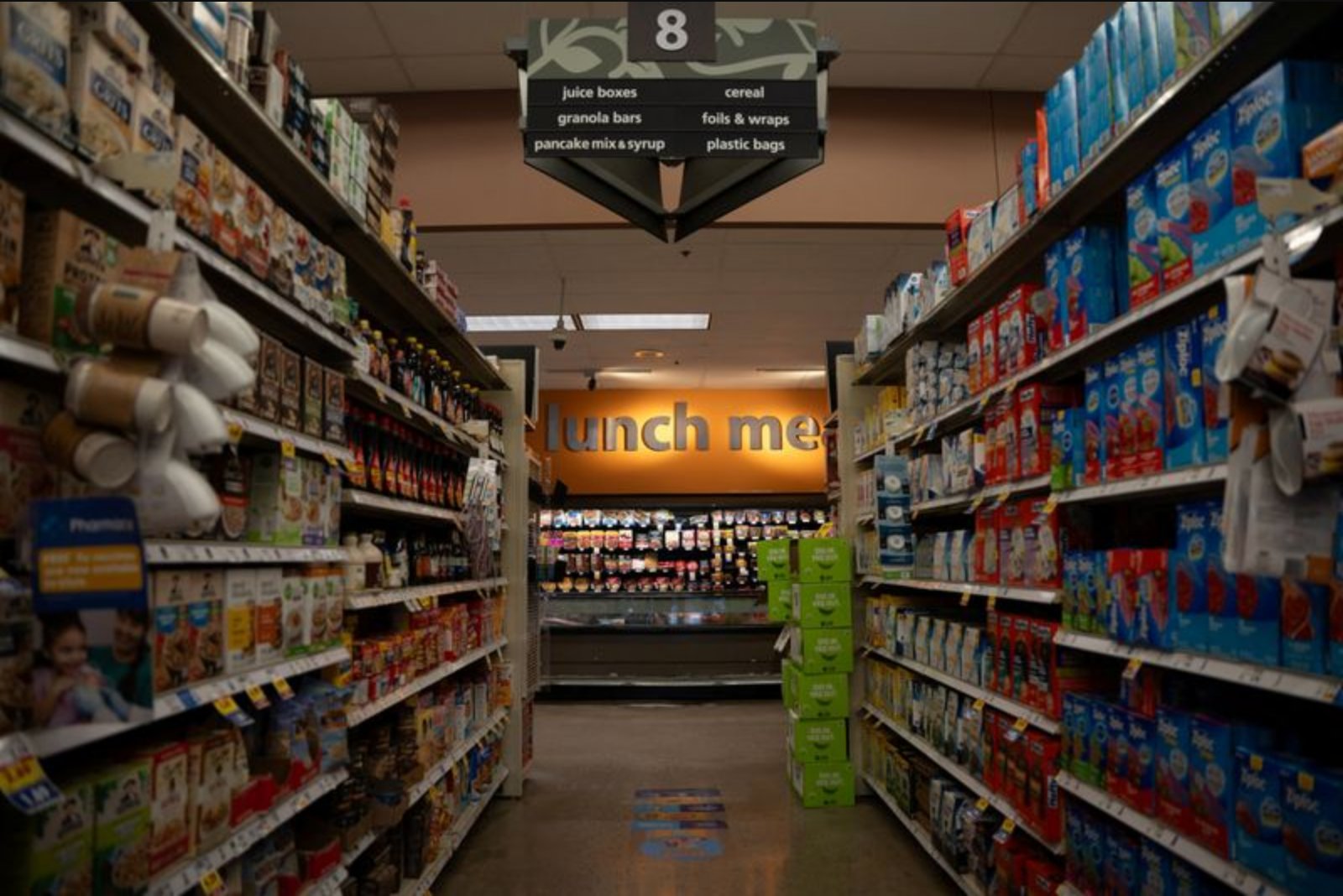
May 21 - Kroger is preparing to lower prices on thousands of products as new chief executive Greg Foran prioritizes a campaign to reclaim shoppers from competitors such as Walmart, Costco and Aldi. Foran, who took leadership of the U.S. supermarket chain in February, said he intends to funnel savings from tighter sourcing, simplified operations and other cost reductions into lower prices and improved service.
Foran indicated the grocery chain will begin by testing selected price cuts, then expand those reductions in phases over time. "The reality is, the basket has to come down. And not everyone’s basket is the same," he said, adding the cuts would span "thousands of products".
The company’s shares were down about 2% in morning trading on the news.
On how Kroger will pay for the lower prices, Foran pointed to cost savings from measures including importing merchandise directly and leveraging technology more effectively. He said the plan is to capture those savings and reinvest them into lower shelf prices for customers.
Retailers are operating against a backdrop of cautious consumer behavior, with shoppers expressing concern about rising fuel costs, persistent inflation and broader economic uncertainty. Those conditions are shaping where consumers choose to spend and intensifying competition among grocers.
In March, Kroger issued forecasts that assumed muted annual sales and profit. The company projected 1% to 2% growth in 2026 identical sales, excluding fuel, and an adjusted profit per share in a range of $5.10 to $5.30.
Meanwhile, larger rival Walmart said it would maintain conservative annual sales and profit targets, a stance that coincides with consumers seeking value as rising fuel prices push shoppers toward low-priced groceries and essentials.
Context and next steps
- Kroger will pilot price reductions before wider implementation and phase changes over time.
- Cost reductions cited as funding sources include direct importing and greater use of technology, with savings destined for shelf prices.
- Company forecasts issued in March reflect expectations for modest sales growth and a defined adjusted earnings range for 2026.