
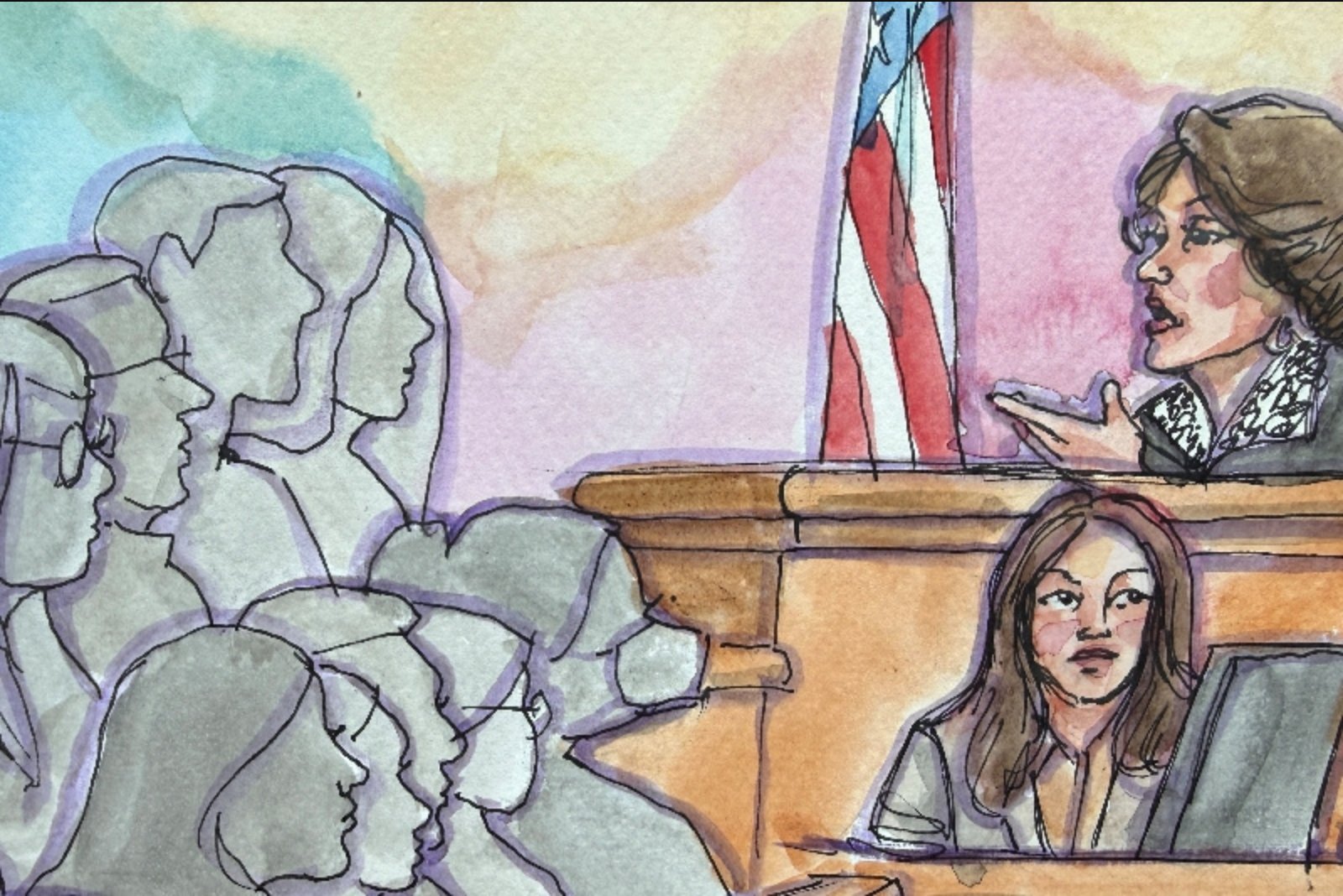
May 18 - A jury in Oakland, California, delivered a unanimous verdict on Monday in favor of OpenAI in the lawsuit brought by Elon Musk, concluding the company was not liable for claims that it had deviated from its original mission of benefiting humanity. The jury reached its decision in under two hours and determined that Musk's claim was time-barred - in other words, brought too late to proceed.
The short deliberation and clear finding on timeliness meant the court did not need to adjudicate the underlying allegations about OpenAI's conduct. That procedural outcome was emphasized by commentators who framed the decision as a decisive legal victory for the AI developer.
Market and legal observers reacted quickly. Dan Ives, an analyst at Wedbush, characterized the outcome as a significant positive for OpenAI and its leadership. He said:
"This is a huge win for (CEO Sam) Altman and OpenAI despite the scrapes and bruises on Altman’s persona and leadership, as it removes a significant overhang on the company’s operations, with this now viewed as a ’nothing impact’ for OpenAI."
In his view, the verdict eliminated a $134 billion overhang on the company's operations that, he said, would have damaged OpenAI's path to going public and its IPO prospects in the coming year. Ives added that the decision supports keeping Altman at the helm.
Trial attorney and AI specialist James Rubinowitz noted the narrow legal focus of the jury's determination. He said:
"That is the cleanest possible legal win for OpenAI, because the court never had to defend any of the underlying conduct. They only had to prove the clock had run, and they did."
Rubinowitz also linked the verdict to the removal of what he described as the largest legal threat to a reported public offering, saying:
"This verdict removes the single largest legal threat to a public offering that is reportedly being priced at up to one trillion dollars. Expect IPO filing activity to accelerate over the next thirty to sixty days."
The jury's determination rests on procedural timing rather than a substantive finding on whether OpenAI deviated from its stated mission. As a result, the decision limits immediate legal exposure but does not resolve the factual questions raised by the complaint.
What this means
- The court found the lawsuit was filed too late, leading to a unanimous verdict in favor of OpenAI after less than two hours of jury deliberation.
- Industry analysts interpret the decision as removing a sizeable legal obstacle that had been framed as an overhang on OpenAI's operations and potential IPO plans.
- The verdict was procedural in nature; the jury did not rule on the merits of the underlying allegations about OpenAI's conduct.