
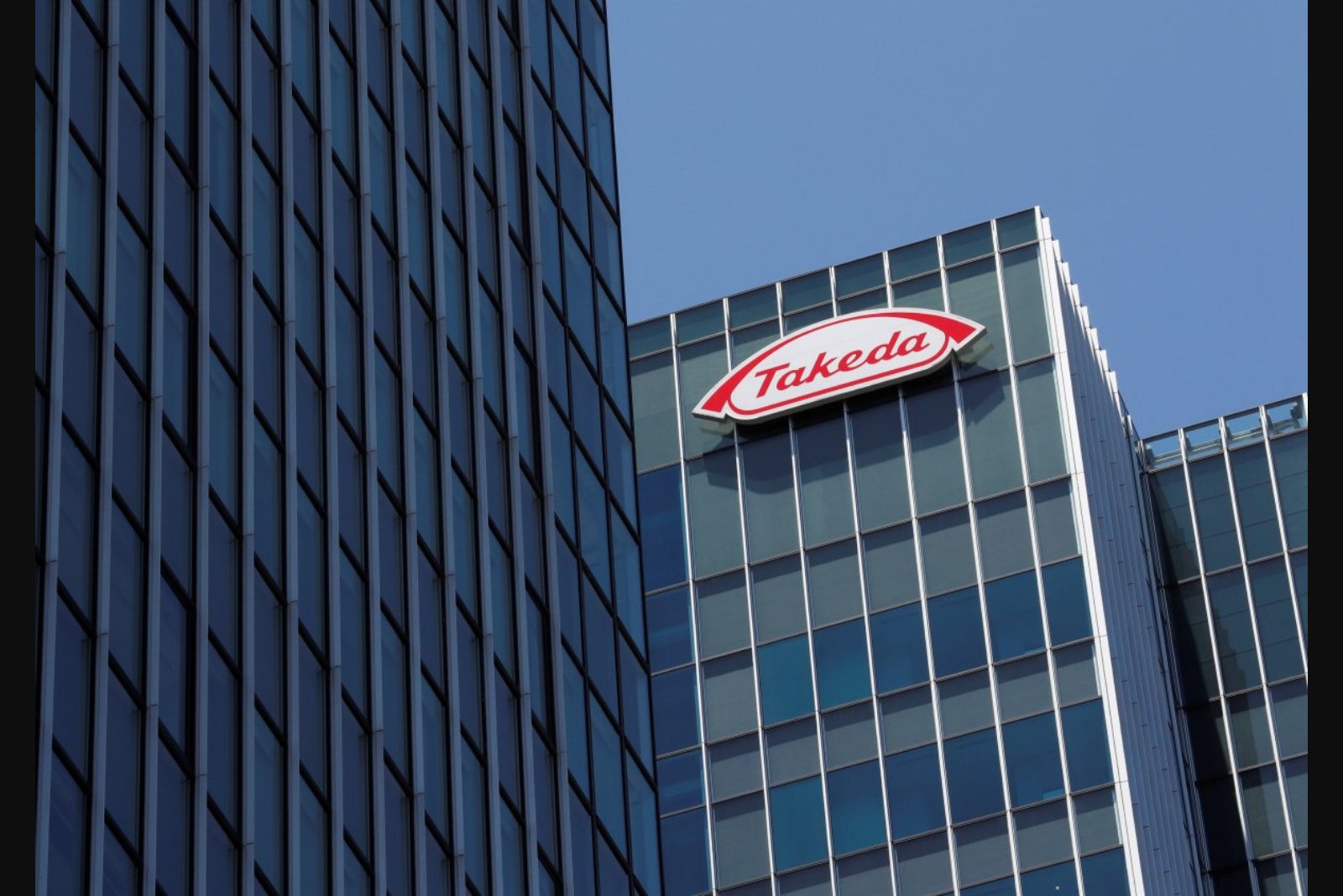
A federal jury in Boston returned a verdict on Monday that found Japan-based Takeda Pharmaceutical responsible for roughly $885 million in damages for delaying the introduction of a generic version of the constipation medication Amitiza. The plaintiffs - a group that included pharmacies, insurers, health funds and retailers such as CVS and Walgreens - argued the delay forced them to pay higher prices for the drug.
Under U.S. antitrust law, the monetary award could increase significantly because damages may be trebled, raising the potential liability to several billion dollars. The underlying lawsuits were filed in 2021 and form part of a broader set of cases challenging so-called "pay-for-delay" agreements, where branded drugmakers allegedly compensate generic competitors to postpone launching lower-cost versions of medicines. The U.S. Supreme Court has previously held that such settlements can violate antitrust statutes.
Takeda denied wrongdoing during the trial and indicated it will pursue an appeal. Company lawyers declined to comment outside the courtroom. In a statement, Takeda said it is evaluating the size of the provision it must recognize related to the litigation and will revise its financial statements for the fiscal year that ended in March to reflect any determined amount. The company added that it does not expect its FY2026 financial forecast or management guidance to be materially affected, aside from potential changes to adjusted free cash flow depending on the amount and timing of any payment.
Market reaction was muted. Takeda shares rose 0.6% on Tuesday morning, while the Nikkei 225 benchmark was down 0.3%.
First plaintiffs' jury victory in class-action pay-for-delay litigation
Legal observers noted this case marks the first time a jury has found a pharmaceutical company liable in class-action litigation centered on pay-for-delay settlements; three prior trials ended in defense verdicts. Kristen Johnson, an attorney for the drug purchasers pursuing class claims against Takeda, told reporters the jurors took their role seriously and understood the competitive consequences of paying off a rival.
The litigation concerns Amitiza, a medication originally developed by Sucampo Pharmaceuticals. After U.S. regulatory approval in 2006, Sucampo partnered with Takeda to market the drug in the United States. In 2012, Par Pharmaceutical sought approval from the U.S. Food and Drug Administration to market a generic Amitiza. Sucampo and Takeda subsequently sued Par for patent infringement, while Par countered that the patents in question were invalid.
The parties settled in 2014. Under the settlement, Par agreed to delay launching its generic until January 2021, at which point it could sell an authorized version of Amitiza - lubiprostone - supplied by Sucampo under a profit-sharing arrangement. Plaintiffs' lawyers characterized the settlement as a $210 million payoff that postponed generic competition by six years while providing Par with a lucrative commercial partnership. Sucampo was later acquired by Mallinckrodt in 2018.
In closing arguments, Takeda defense lawyer Joshua Barlow described the 2014 settlement as lawful and pro-competitive. He told jurors that, absent the settlement, a generic Amitiza would still not be available because final patents run until October 2027, and he argued the agreement increased competition.
Breakdown of verdict awards
The jury allocated damages across several plaintiff groups. Direct purchasers, such as pharmacies and wholesalers, were awarded $474.9 million. Insurers and other end payors received $63.2 million. In addition, five retailers that brought individual suits were awarded damages, including $191 million for CVS and $121 million for Walgreens.
The verdict concludes the first of the class-action trials over the Amitiza settlement. Takeda has signaled it will "vigorously pursue" appellate review of the verdict.
Context and next steps
The jury's decision sets a new precedent within this wave of litigation by producing the first plaintiffs' win in class-action trials of this type. Takeda's stated intention to appeal and its assessment of any necessary balance-sheet provisions will determine near-term financial reporting developments for the company. The possibility of treble damages also leaves the final financial consequence uncertain until appeals and potential post-trial motions are resolved.