
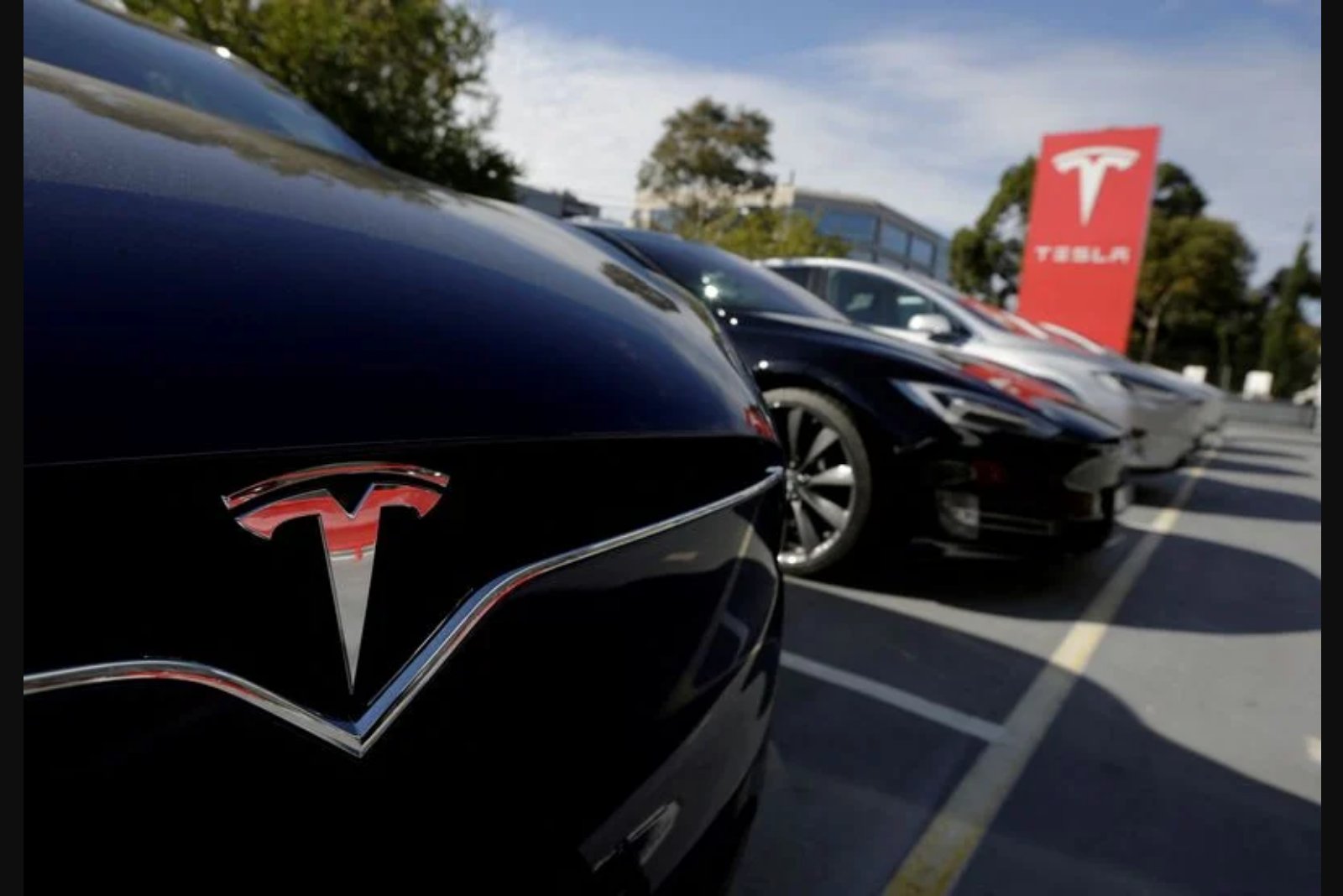
J.P. Morgan revised its stance on Tesla on June 5, moving the stock from "underweight" to "neutral" and signaling a shift in how it believes the market is valuing the company. The brokerage said Tesla's valuation appears to be driven more by prospects in autonomy and robotics than by near-term vehicle profits, and it raised its price target on the shares to $475 from $145.
The upgrade reflects a broader shift in investor focus toward Elon Musk's wider technology ambitions. J.P. Morgan noted that Musk is expanding across multiple ventures, and highlighted plans for SpaceX to go public in what the brokerage said could become the largest initial public offering on record, with a valuation of roughly $1.7 trillion and an expected market debut on June 12. Against that backdrop, investors are looking past a slowing core electric-vehicle business and toward potential future revenue streams such as robotaxis, humanoid robots, AI chips and software services.
Rajat Gupta, who took over coverage of Tesla last month and led the J.P. Morgan note, emphasized the company's deep vertical integration across hardware and software. The analysts wrote that Tesla's starting-point advantage in tightly integrating these elements is "still somewhat under-appreciated and misunderstood," and that this advantage underpins the firm's more optimistic medium- and long-term view.
In its projections, J.P. Morgan raised its view of Tesla's financial trajectory. The brokerage expects the company's revenue to more than double from about $95 billion in 2025 to roughly $203 billion by 2030. It expects nearly half of that incremental revenue to come from services and newer businesses tied to autonomy and robotics rather than traditional vehicle sales.
On earnings, the firm said Tesla's adjusted earnings-per-share (EPS) could "potentially inflect" beyond 2028, and forecast EPS could jump nearly threefold to about $7.50 by 2030 from roughly $1.95 in 2026. For context, Tesla reported adjusted first-quarter 2026 EPS of $0.41.
J.P. Morgan values Tesla across five interconnected markets - automotive, energy storage, robotaxis, humanoid robots and infrastructure licensing - which it estimates could represent a combined potential addressable market of about $3.9 trillion by 2035. The brokerage sees these areas as drivers that could reshape Tesla's earnings profile over the next decade.
Despite the upgraded stance, J.P. Morgan cautioned that execution risks are substantial. The firm highlighted potential hurdles including regulatory approvals, safety validation and the challenge of scaling new technologies. Those points underline that the path from research and pilot systems to mass-market services and products carries meaningful uncertainty.
Market sentiment among analysts remains varied. According to LSEG-compiled data cited by the brokerage, at least 24 analysts rate the stock "buy" or higher, 23 have a "hold" rating and seven rate it "sell" or lower. In premarket trade on Friday, shares of Tesla were down marginally.
The note also touched on how investor expectations are shifting toward software and services revenue streams that could emerge from autonomy and robotics initiatives, rather than relying solely on near-term vehicle margins. J.P. Morgan outlined that these newer businesses and services could account for a substantial portion of growth in the coming years.
Separately referenced in the broader market context was a promotional mention of a third-party AI stock-selection product that evaluates TSLA alongside other companies using many financial metrics; that commentary included past examples of stocks the product identified as strong performers.
Overall, J.P. Morgan's upgrade reflects a recalibration of Tesla's investment case toward a multi-business technology company model, while still acknowledging the significant regulatory and execution hurdles that could influence outcomes.