
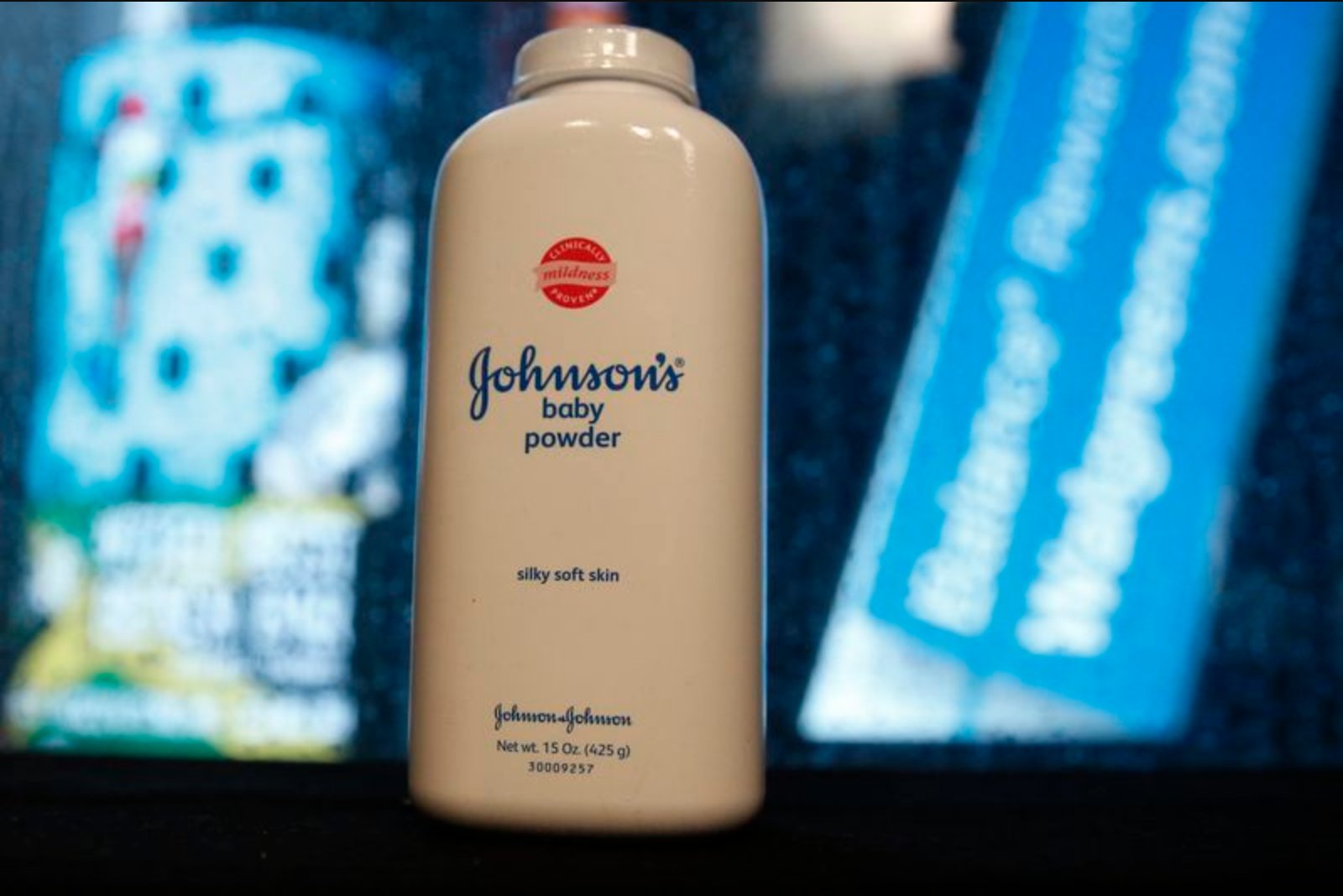
A Los Angeles jury on Friday concluded that Johnson & Johnson was not negligent in the manufacture and sale of its talc-based cosmetic powders in a lawsuit filed by the families of three women who later died of ovarian cancer.
The case, heard in the Superior Court of California in Los Angeles, was brought by the families of Mary Owens, Bonnie Tienken and Geneva Williams, each of whom died after being diagnosed with ovarian cancer and who had used talc-based baby powder, according to court records. After deliberation, 10 of the 12 jurors found the company was not negligent in making and selling talc-based cosmetic powder, as reflected in proceedings viewed on Courtroom View Network.
Johnson & Johnson maintains that its talc products are safe, do not contain asbestos and do not cause cancer. Erik Haas, the company’s vice president of litigation, said on Friday that the claims in the case were based on what he described as "junk science."
The verdict arrives amid a much larger set of proceedings: Johnson & Johnson faces lawsuits from more than 67,000 plaintiffs who allege that the company’s baby powder and other talc products caused ovarian cancer. Trials of those claims resumed after the company was unable to resolve the litigation in bankruptcy court.
Company outcomes in the courtroom have varied. J&J has recorded both outright trial victories and substantial adverse verdicts in other cases. The firm also prevailed in a jury trial in Oklahoma last week, while in other matters it has agreed settlements, including a majority of cases alleging its products caused mesothelioma, a rare cancer tied to asbestos exposure.
In 2020 Johnson & Johnson stopped selling talc-based baby powder in the United States and replaced it on the domestic market with a cornstarch-based formulation.
Contextual note - The Los Angeles trial focused on the actions surrounding the making and sale of talc-based cosmetic powder and did not produce findings beyond the negligence question reported by the jury. The litigation landscape remains extensive, with many claims still unresolved.