
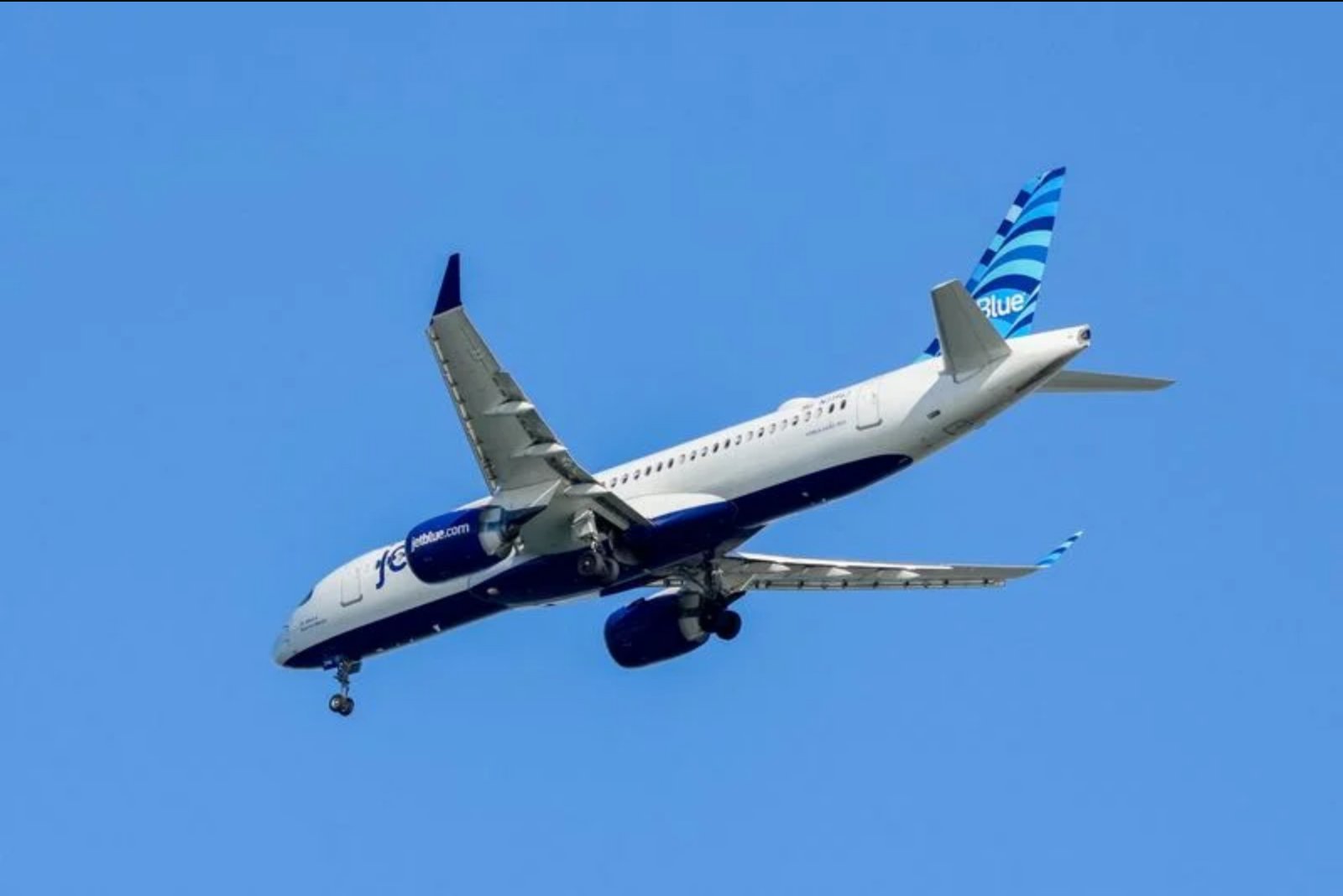
June 1 - JetBlue announced a revision to its fuel cost outlook for the second quarter, increasing the per-gallon estimate as global aviation contends with higher jet fuel prices stemming from disruptions tied to the closure of the Strait of Hormuz.
The airline now projects Q2 fuel expenses of $4.26 to $4.36 per gallon, up from an earlier forecast of $4.13 to $4.28. In the same filing, JetBlue said it expects to "recapture 40% or more of increased fuel costs in the quarter," attributing that expected recovery to consistent operational performance.
Management also raised its revenue growth per available seat mile forecast, now calling for growth in the 9% to 12% range compared with its prior guidance of 7% to 11%. The company linked the stronger revenue outlook in part to demand trends and network performance.
Separately, JetBlue reported outperformance on routes that had been operated by Spirit Airlines prior to the latter carrier's shutdown last month. The carrier said the early read on those markets has been favorable and that current trends may continue, while cautioning that it remains early in the third-quarter booking curve.
The filing combines a higher fuel cost baseline with expectations of partial cost recovery through revenue and operational stability. JetBlue emphasized its ability to offset a share of the incremental fuel expense, while also flagging ongoing uncertainty in booking patterns as it looks toward the next quarter.
Implications for markets and sectors
- Airlines: JetBlue's move to raise fuel forecasts reflects a broader industry pressure from rising jet fuel prices and supply disruptions, which affect unit costs across carriers.
- Travel and leisure: Upward revisions to revenue per available seat mile suggest demand strength that could support pricing power on routes, including those absorbed from Spirit.
- Energy: The change in fuel outlook underscores the sensitivity of carriers to fluctuations in jet fuel, itself linked to regional supply disruptions.
Note: The company statement quoted above appeared in its regulatory filing. It also acknowledged that third-quarter booking patterns are at an early stage and that outcomes will depend on how those trends evolve.