
Overview
InTiCa Systems, an electronics components manufacturer based in Germany, recorded a net loss in the first quarter as higher material costs, notably for copper, eroded margins even as revenue rose slightly. Sales for the quarter grew 3.3% year-over-year to EUR 17.6 million, reflecting modest demand gains across the company.
Profitability metrics
The company reported a net loss of EUR 1.1 million for the quarter, with earnings per share of -EUR 0.26. Operating profit before interest and taxes (EBIT) remained in negative territory. On an EBITDA basis, InTiCa Systems posted EUR 800,000, equivalent to a 4.6% margin on quarterly sales.
Drivers of performance
Management attributed the sales increase to continued product and business-area diversification across both of its operating segments. The company said order intake and the order trend stabilized during the quarter, producing less volatility than was seen in 2025.
Guidance and outlook
For full-year 2026, InTiCa Systems expects group sales to fall between EUR 68.0 million and EUR 73.0 million. The company projects EBIT will be between minus EUR 1.5 million and minus EUR 2.5 million. Management qualified the outlook by noting it depends on stable cyclical trends and the absence of any escalation in geopolitical conflicts.
Context and implications
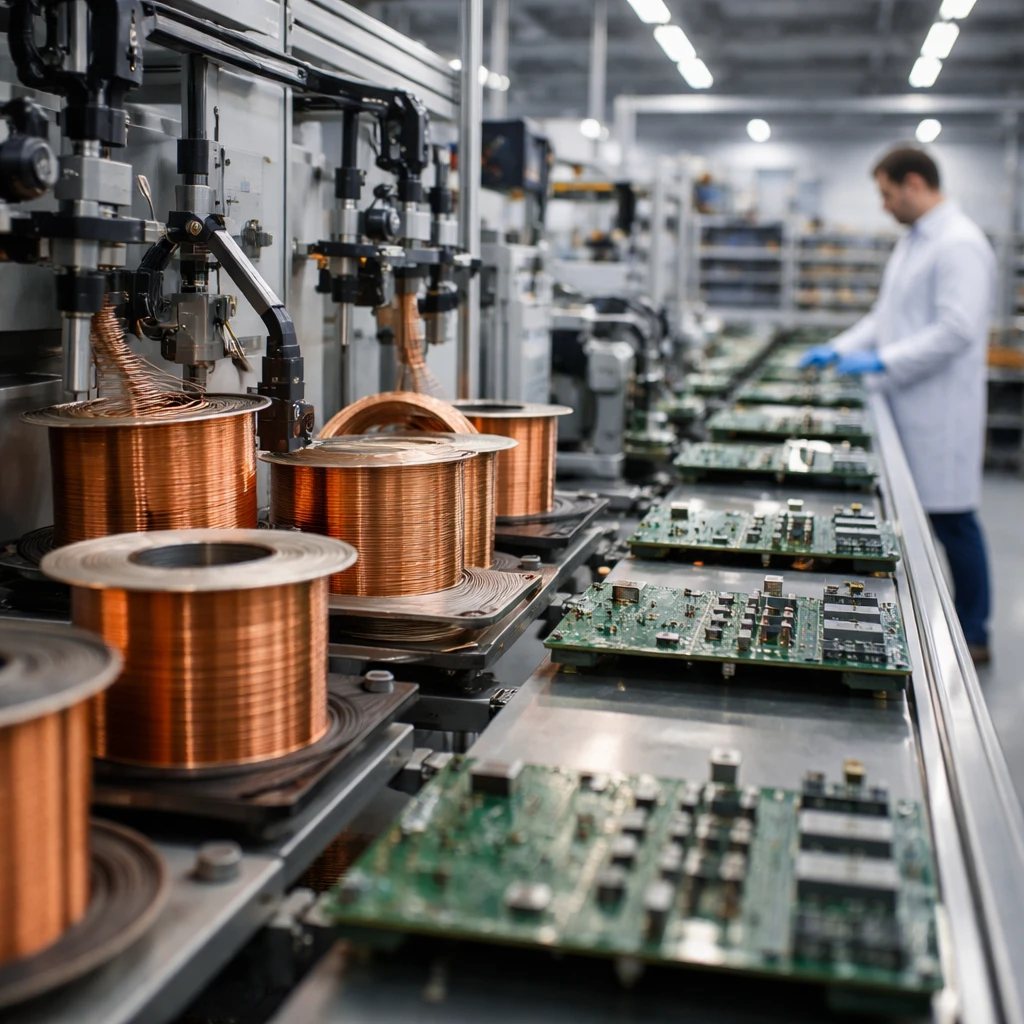
The primary headwind flagged in the report is a substantial increase in material costs, with copper highlighted as a key pressure point on margins. While top-line growth was positive, the rise in input prices offset some of the operational gains and left the company with a quarterly loss.
Key takeaways
- Revenue rose 3.3% year-over-year to EUR 17.6 million in Q1.
- Net loss for the quarter was EUR 1.1 million; EPS was -EUR 0.26.
- EBITDA was EUR 800,000, equal to a 4.6% margin; EBIT remained negative.
- Full-year 2026 sales guidance: EUR 68.0 million to EUR 73.0 million; EBIT guidance: -EUR 1.5 million to -EUR 2.5 million.
Sectors potentially affected
- Electronic components manufacturing - direct impact on margins and revenue trends.
- Materials and metals - copper price movements influence input costs and profitability.
- Industrial supply chains - order stability and diversification are relevant to suppliers and buyers.