
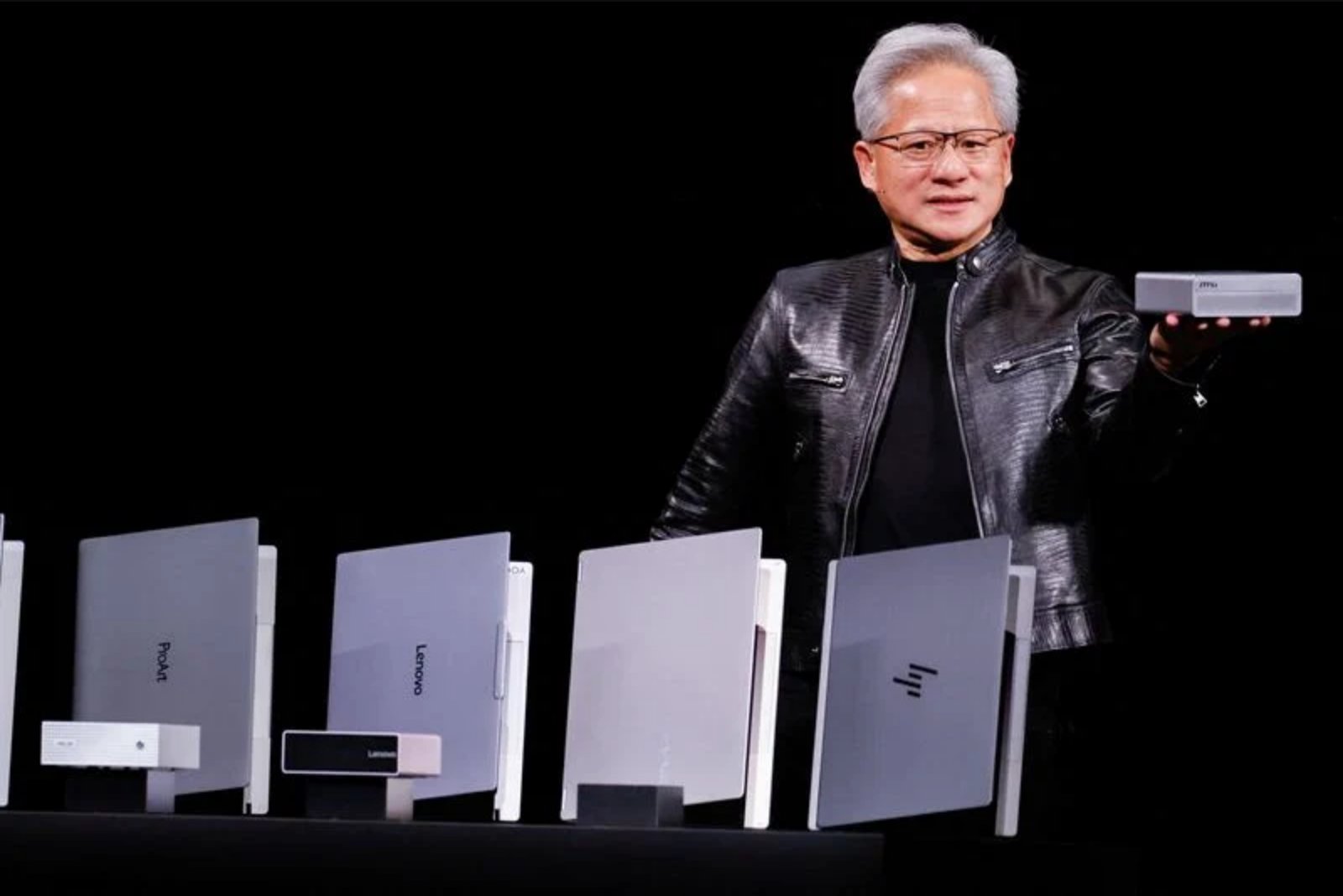
June 1 - Nvidia has pushed AI PCs into the spotlight with the introduction of a new chip designed to shift more artificial intelligence processing from the cloud to individual laptops and compact desktop machines. The launch comes as PC makers and chip partners position devices to run more on-device AI tasks, even as market reactions vary.
Defining the AI PC
Manufacturers describe AI PCs as systems capable of processing data faster than conventional personal computers and handling a larger volume of AI-related workloads locally. That includes running conversational agents and other generative AI features without always relying on cloud data centers that power services such as ChatGPT and Claude. Certain AI PC variants are also described as able to support on-device training of AI models, a compute-heavy activity generally associated with server farms.
The growing prevalence of AI agents - software that can autonomously perform tasks on a computer with minimal human direction - has helped drive renewed interest in these devices. Nvidia framed its new chip, RTX Spark, as part of a collaborative initiative with Microsoft to "reinvent the PC" for this AI-focused era. The company says the chip was developed together with MediaTek to enable local agent processing rather than full dependence on cloud servers.
Why vendors are pushing AI features
PC makers hope that beefed-up on-device AI capabilities will entice buyers as generative AI tools become integrated into everyday workflows - from composing emails to planning travel. HP recently reported that AI-optimized computers accounted for 44% of its PC shipments in the second quarter, up from more than 35% in the prior quarter, and said this mix helped it beat revenue and profit estimates.
However, not all market feedback has been uniformly positive. Dell said in January that the surge in AI interest had not produced the level of demand it had expected, indicating uneven commercial traction across vendors.
Core technology inside AI PCs
AI-enabled personal computers typically incorporate specialized processors known as neural processing units, or NPUs. These NPUs are engineered to manage the bulk of on-device AI workloads, operating alongside central processing units and graphics processors. The combined architecture aims to accelerate complex AI tasks, boost processing throughput and support applications such as built-in AI assistants.
Products and timelines
Nvidia has said that systems based on its RTX Spark platform - including laptops and small-form-factor desktops - are expected to arrive this fall from manufacturers such as ASUS, Dell, HP, Lenovo, Microsoft and MSI, with Acer and Gigabyte slated to follow. Several of those brands, plus Microsoft and Qualcomm, already market Copilot+ PCs, which require processors specifically designed to perform AI workloads on the device.
Concerns and constraints
Industry observers point to several headwinds that could slow AI PC adoption. Memory chip supply constraints and rising component prices are cited as potential impediments. Market research firm IDC projects total global PC shipments will decline in 2026, attributing the drop to memory shortages, higher component costs and supply limitations, even as rising average selling prices increase overall market value.
Privacy issues have also surfaced as a point of contention. Microsoft initially drew criticism for a "recall" feature announced in 2024 that would chronicle a user’s on-device activity from voice chats to web browsing, creating a searchable history stored locally on the laptop. After backlash focused on privacy and security, Microsoft delayed the feature and made it available in a preview mode to selected users only after bolstering protections. The optional capability is now included on newer Copilot+ PCs.
At the same time, some experts argue that performing more AI processing on-device could enhance privacy in some respects, since it reduces the need to send personal data to cloud-based models for training.
What to watch
How consumers and enterprises respond to the growing set of AI PC offerings will determine whether the devices become a mainstream computing category. Key factors include the balance of on-device performance against cost, the resolution of memory and component constraints, vendor execution on delivering compelling AI experiences and how privacy trade-offs are addressed by both manufacturers and software partners.
Until those elements play out, the market is likely to see a mix of early adopters and cautious buyers as the new generation of AI-equipped laptops and desktops makes its way to shelves.