
Travel activity around the July 4 holiday is forecast to tick up only modestly this year, with national anniversary events and the FIFA World Cup providing pockets of extra demand even as higher travel costs temper some plans. The American Automobile Association (AAA) projects 72.2 million people in the United States will travel at least 50 miles from home between June 27 and July 5, a slight increase from 71.8 million the previous year.
While overall traveler numbers remain near record levels, the pace of year-over-year growth has slowed. Analysts and industry contacts point to war-related spikes in crude oil and jet fuel prices as a principal reason for higher airfares and gasoline, squeezing household budgets and prompting more cautious decisions about holiday travel. An anticipated heat wave during the period is another factor complicating travel choices for some consumers.
"While the overall number of Independence Day travelers appears to be plateauing, were still expecting record volumes this year," said Stacey Barber, vice president of AAA Travel. AAA expects minimal change in the number of people traveling by car and by air, but anticipates a substantial rise in travel by buses, trains and cruises.
Domestic airline capacity is flat compared with last year, which OAG Aviations John Grant says suggests passenger demand will be roughly comparable to the prior year. At the same time, cities that stage prominent holiday displays and events are likely to be particularly busy. AAA identified New York, Chicago and Boston among destinations drawing strong interest.
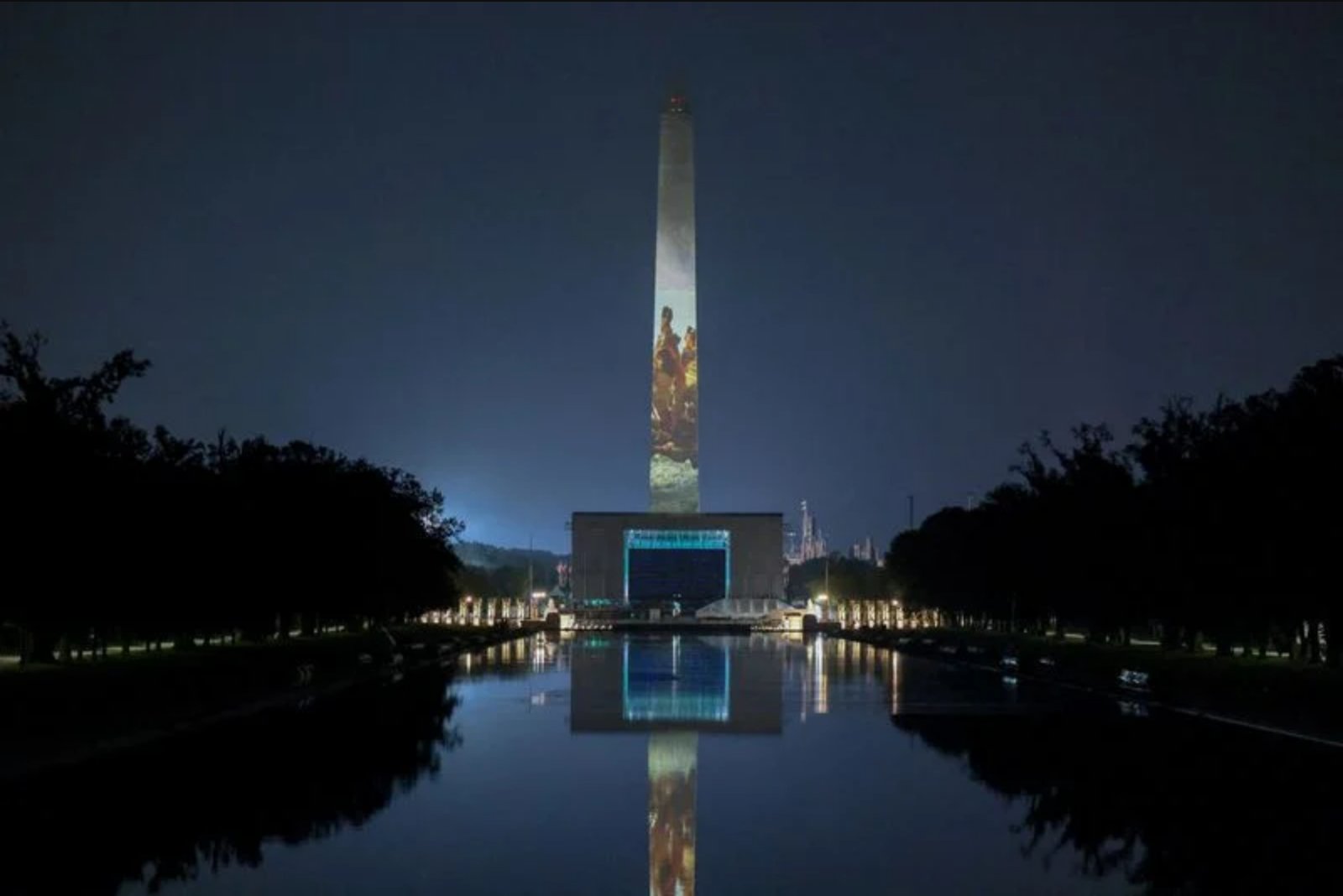
Hotel demand in the U.S. capital is one clear example of intensified interest tied to the anniversary. Online travel agency HotelPlanner reported that bookings for Washington, D.C., over the weekend have climbed fivefold relative to last year, and that average room rates are up about 35%.
Vacation rental and recreational vehicle markets are likewise seeing localized surges tied to both the World Cup and anniversary festivities. Data provider AirDNA found vacation rental bookings in Miami surged 68% ahead of a knockout match featuring Argentina and Cape Verde. In Texas, a convergence of FIFA matches in Dallas and Houston paired with statewide 250th anniversary activities has driven elevated demand; RVshare reported Texas has recorded the highest number of RV bookings on its platform for the July 4 weekend.
Steve Schawb, chief executive of Casago, a vacation rental management company, suggested the milestone anniversary may be encouraging travelers to stick with existing plans despite concerns such as heat. "The notable anniversary is probably leading to less cancellations or changes even if heat is a concern for people," he said.
Overall, industry observers say the holiday period will offer a test of consumer resilience as higher transportation and lodging costs collide with significant national celebrations and major sporting events. The mix of stable airline capacity, stronger bookings in select urban and event-hosting markets, and rising costs from energy markets will determine how travel patterns play out over the long holiday weekend.
Key points
- AAA forecasts 72.2 million Americans will travel at least 50 miles between June 27 and July 5, slightly above last years 71.8 million.
- Higher crude oil and jet fuel prices have pushed up airfares and gasoline, slowing growth in travel volumes even as demand remains high.
- Event-driven demand is concentrated in major cities and host cities for World Cup knockout matches, boosting hotels, vacation rentals and RV bookings.
Risks and uncertainties
- Rising fuel costs - impact on airlines, ground transportation and household travel budgets.
- Heat wave during the holiday - potential to deter travel or shift consumer behavior in hospitality and outdoor tourism sectors.
- Flat domestic flight capacity - could limit availability or keep fares elevated, affecting airline revenue management and traveler choices.