
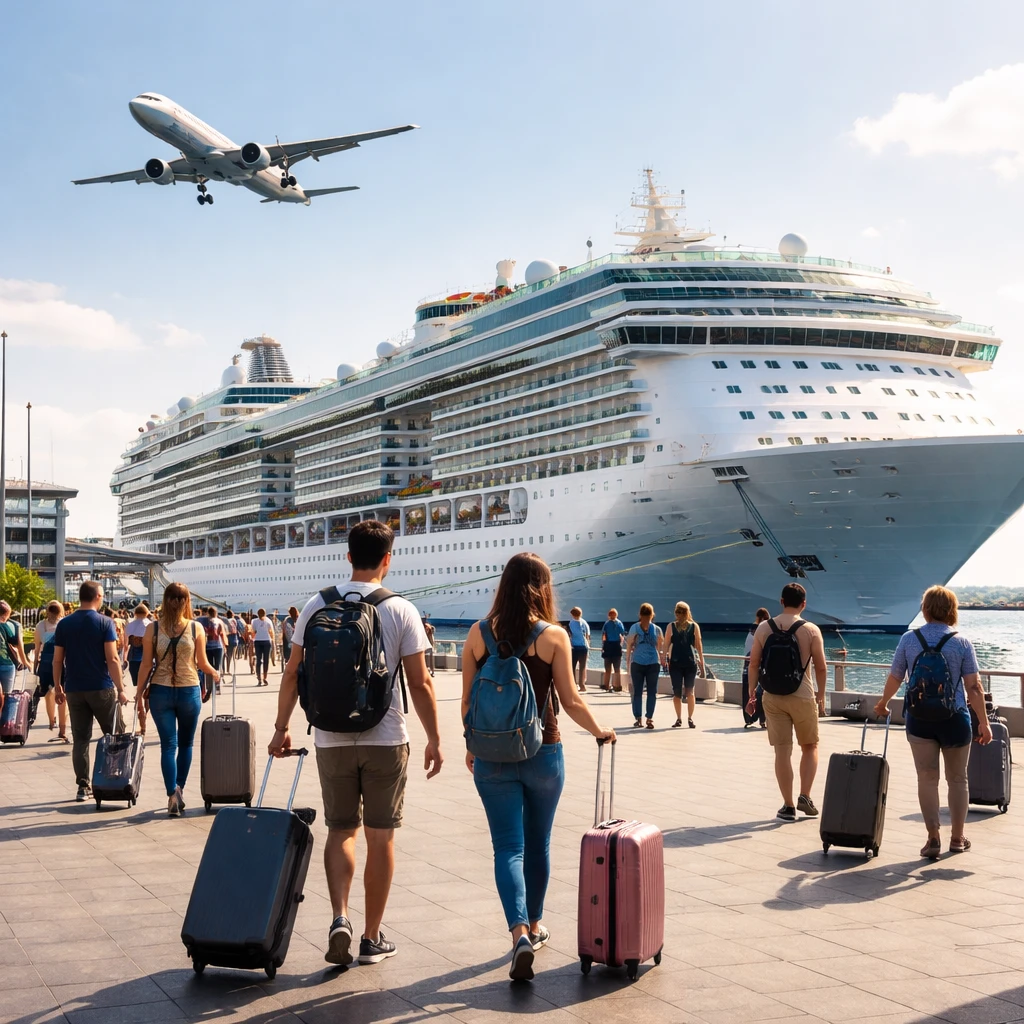
Rising airline fares are emerging as a meaningful constraint on cruise travel if high oil prices continue into the critical 2027 booking season, according to a Deutsche Bank research note.
Deutsche Bank surveyed more than 350 cruise travelers and found that 42% reported higher airline ticket prices have already changed their decisions about cruising. The effect was notably stronger among younger adults: 61% of respondents aged 18 to 34 said increasing airfares had influenced their plans.
How travelers are responding
The survey suggests many consumers are adapting their approach to cruising rather than abandoning the category outright. More than half of those surveyed said they would opt for a cruise departing from a port closer to home. Additionally, 46% indicated they were looking for cruise packages that bundle airfare with the cruise fare, a signal that integrated travel offerings may be more attractive when flight costs are elevated.
Potential demand risks for the cruise sector
Despite signs of adaptation, the Deutsche Bank note highlights several possible risks to future demand. About 45% of respondents said they were considering alternative vacations such as land-based resorts or road trips as a way to avoid expensive flights. Meanwhile, 43% indicated they were somewhat or very likely to postpone or cancel a future cruise because of high airline costs.
Deutsche Bank concluded that these results point to rising price sensitivity among cruise customers. The research note warned that sustained elevated airfares could complicate efforts by cruise operators to maximize occupancy and pricing if airfares remain high heading into the 2026-27 wave booking season.
What this means for operators and markets
The survey data highlight a set of operational and commercial challenges for cruise lines: the need to manage pricing strategies and occupancy targets while consumers weigh the total travel cost, including airfare. The preference for closer departure ports and bundled airfare options suggests operators and travel sellers may need to adjust distribution and pricing tactics to align with shifting consumer behavior.
While many travelers appear to be modifying logistics to preserve planned cruises, a meaningful minority are looking at alternatives or deferring trips—outcomes that would affect demand and revenue realization for the sector if those intentions translate into booking actions.