
Hedge fund managers used this week's Sohn Investment Conference in Hong Kong to promote investment ideas ranging from AI-focused data centres and printed circuit board (PCB) suppliers to consumer names tied to Gen Z spending patterns. The AI-related trade attracted particular attention as a semiconductor rally this year helped major Asian equity indexes outperform Western markets.
Presenters at the event did not disclose whether their firms held existing positions in the companies they discussed. The conference, which gathers hedge funds to pitch top ideas, featured several themes: bets on the infrastructure supporting generative AI, concerns about hardware bottlenecks within semiconductor supply chains, and consumer plays aimed at younger demographics.
Kenny Zhang, chief investment officer at Valliance Asset Management, singled out U.S. AI data centre provider CoreWeave. CoreWeave supplies cloud capacity and hardware to technology companies using Nvidia chips. Zhang argued that the coming production model powered by AI will lead enterprises to export what he called "knowledge labour to digital people," referencing AI agents.
"If we think chips are replacing people, how do we make the digital people happy? ... You need a company like Coreweave," he said. Valliance projects that CoreWeave's annualised revenue could climb to $55 billion by 2028, up from $1 billion in early 2024.
Hardware supply shortages were another focal point for some funds. CloudAlpha Capital highlighted printed circuit boards as the layer in semiconductor supply chains experiencing the most severe shortages. Reflecting that concern, the Hong Kong-based hedge fund expressed a preference for Taiwan's leading PCB manufacturer Compeq Manufacturing.
Founding partner and co-CIO Chris Wang said even major chip foundry TSMC could encounter a PCB capacity bottleneck within the next one to three years. Wang suggested Compeq, an Apple supplier that is expanding capacity and trading at less than 15 times valuation, could be due for a re-rating.
Keyrock Capital Management presented a bullish case for Japan's electrical engineering firm Kandenko, characterising the company as a "structural winner" should a construction wave tied to AI data centre development materialise.
Hedge funds at the conference also showcased consumer-oriented ideas driven by changing spending habits. Jun Y. Oh of Washington-based Griet Capital recommended Thai pet food maker i-Tail Corp, pointing to what he described as long-term structural growth as attitudes toward pets evolve.
Oh noted behavioural shifts across generations, saying, "The way people think about pets is very different from our parents." He added that in South Korea more pet strollers were sold than baby strollers last year, and that Gen Z spends more than $6,000 annually on their pets, about 2.5 times more than the older baby boomer generation.
Hong Kong's Kaleido Capital Partners emphasised food brands that resonate with younger consumers. The firm identified South Korean instant noodle maker Samyang Foods as having room to run, pointing to rapid international sales growth in regions including Europe and the U.S. as well as potential margin expansion.
The ideas presented at Sohn Hong Kong illustrate how hedge funds are positioning across several parts of the economy: backing infrastructure plays that support AI workloads, targeting components of the semiconductor hardware chain where capacity and supply imbalances may persist, and selecting consumer names expected to benefit from a shift in spending by younger cohorts.
Conference backdrop
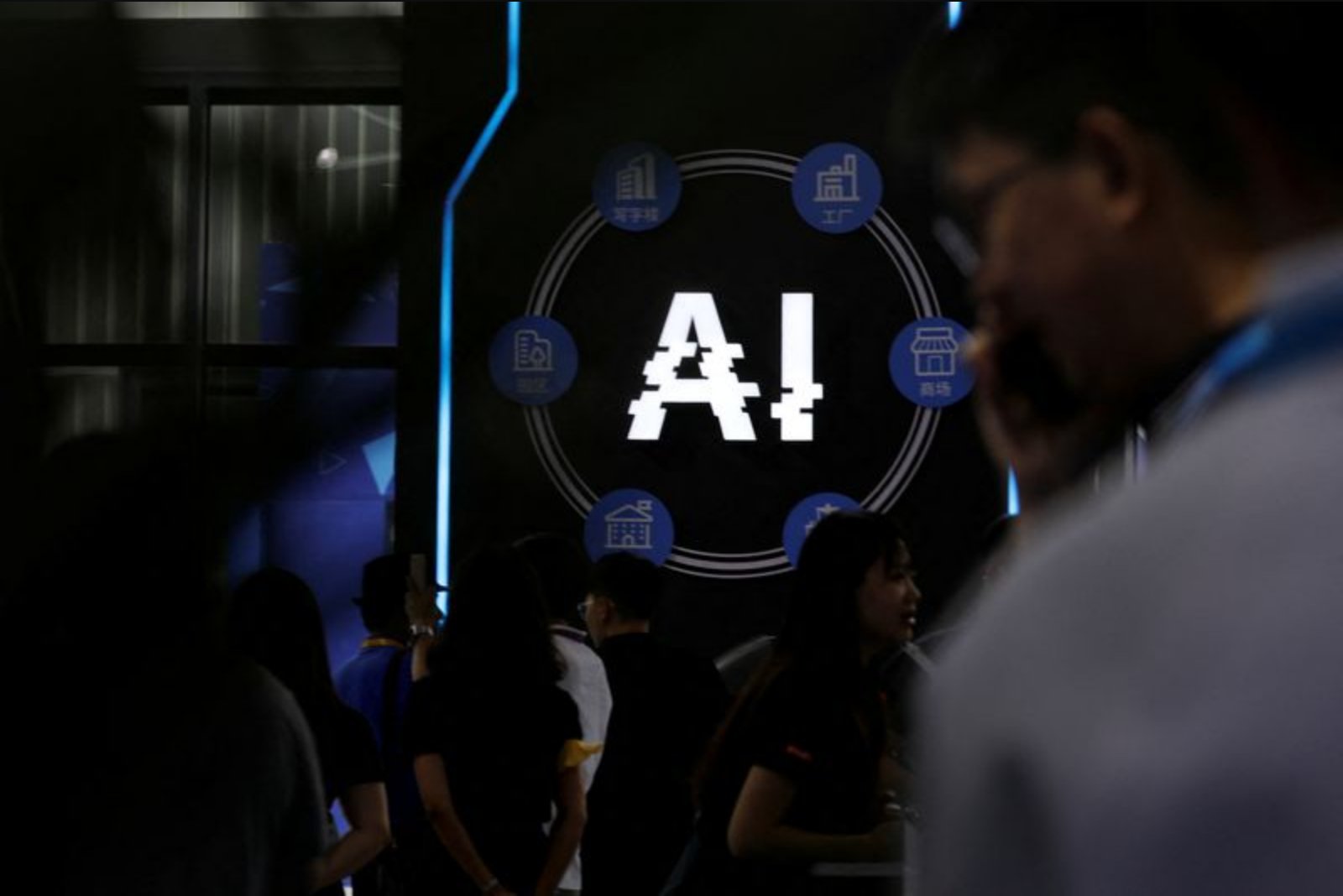
AI-related trade drew strong interest at the Sohn conference as a semiconductor rally this year helps major Asian equity indexes outperform Western markets. Managers highlighted both upstream and downstream opportunities - from data centre operators to component suppliers - as well as adjacent consumer growth stories tied to generational spending trends.