
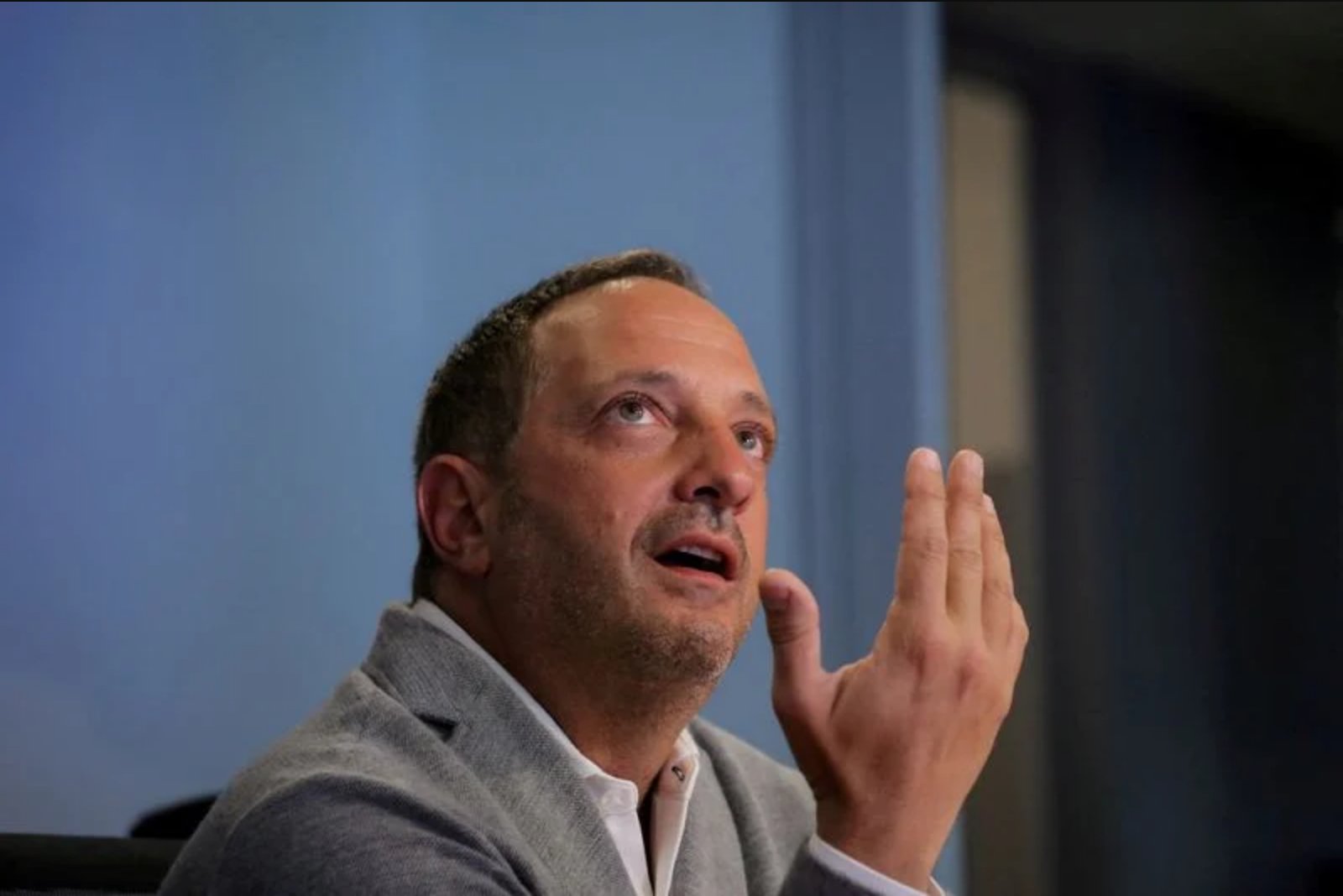
The recent criminal conviction of investor Andrew Left on securities fraud charges has prompted debate over the acceptable bounds of activist short selling and could lead practitioners in that niche to alter how they carry out public campaigns.
A U.S. jury found Left guilty after prosecutors said he manipulated markets by leveraging media appearances and social posts to tout trades he claimed to hold, while in fact quickly and covertly closing those positions to capture profits from fleeting price reactions. The prosecution portrayed his behavior as a scheme to profit by amplifying fear among retail investors.
Left has signaled he may appeal. Spokespeople for both Left and the Department of Justice did not immediately respond to requests for comment. Shortly after the verdict, Left wrote on X: "So now a truthful opinion that ends up making money is illegal. Is this America?"
Activist short sellers differ from conventional short sellers in one key respect: they publicly air their critiques of a company in addition to taking a short position. Their campaigns commonly involve issuing research reports, posting to social platforms, or appearing on cable news to highlight what they argue are management failures, weak finances, or other operational problems they believe will depress a company's share price.
Those activities have long been defended by short activists as protected speech under the First Amendment, and the law generally permits investors to change their positions. Still, the Left verdict has led some market participants to say activist short sellers may reconsider the public-facing element of their strategies because the ruling raises the stakes for broadcasting investment theses.
"I don’t think this changes short selling in general, but I do think it fundamentally changes activist short selling," said Scott Nations, president of Nations Indexes. "Plain-vanilla short selling is still about valuation, positioning, and risk; that part of the market will go on as before. But activist short selling depends on going public. Once a jury verdict like this lands, it raises the legal and reputational stakes for anyone whose strategy relies on broadcasting displeasure as part of the thesis."
Legal scholars and market observers differ on how much of the jury's decision reflects specific conduct by Left versus broader skepticism toward short sellers. Peter Molk, a law professor who has studied the long-term effects of short activism, cautioned that it is difficult to separate "general dislike of short sellers" from the facts of the Left case. He noted the potential chilling effect when the cost of being wrong can be substantial for activists.
Supporters of short selling point to the practice's role in identifying fraud, operational failures, and overvaluation, arguing it can benefit both traders and the public when conducted responsibly. Critics contend activist short sellers sometimes launch predatory campaigns that spread false or misleading information to force down prices for quick gains.
The conviction follows a years-long criminal inquiry that began in 2019 into short-selling practices. That probe examined a range of actors in the activist short-selling space and was linked to academic research that raised questions about the timing and anonymity of some online attacks on publicly listed companies.
One academic paper from 2018 analyzed 1,720 pseudonymous posts attacking stocks on a financial website between 2010 and 2017 and found those messages were sometimes preceded by atypical trading in stock options, a pattern the author described as "short and distort." The researcher declined to comment for this coverage; short sellers have disputed the methodology and conclusions of that work.
As part of the broader inquiry, prosecutors examined several well-known short activists and firms. To date, prosecutors have brought criminal charges only in Left's case. Other named subjects of the investigation included Carson Block of Muddy Waters, Anson Funds, and Marcus Aurelius Value; authorities reportedly ended their probe into Carson Block.
Separately, one Canadian firm, Anson Advisors, reached a settlement with securities regulators over its failure to disclose a relationship with Left. Several prominent short-selling vehicles have also exited the field in recent years: Jim Chanos closed his short-focused hedge funds in 2023, and Nathan Anderson’s Hindenburg wound down operations in 2025, citing the personal toll of the work. By contrast, funds such as Spruce Point Capital and Culper Research remain active.
Requests for comment on the verdict and its implications were not immediately answered by multiple firms and individuals mentioned in the broader probe.
Gontran de Quillacq, chief executive of a litigation-support firm that provides expert witness services in financial markets, framed the Left decision as an enforcement matter targeting an individual's behavior rather than evidence of a systemic problem with short selling. "Short-selling is useful on both sides - the traders and the public - as long as it is properly done," he said. "The comments point to the individual’s wrongdoing, not in general. This is only a matter of enforcement, not a systemic problem."
Market participants and legal experts say the verdict may force a recalibration of tactics among activists who rely on publicity to amplify their cases. That recalibration could range from more caution in public statements to adjustments in how positions are disclosed and unwound. Given the divergence of views on the role of activist short sellers, the ultimate impact of the conviction on market behavior remains uncertain.
Summary
A jury convicted activist short seller Andrew Left of securities fraud after prosecutors said he used media and social platforms to promote trades he secretly closed to profit from temporary price moves. The outcome has intensified debate about the legal boundary between legitimate public commentary and manipulation, could prompt activists to change tactics, and follows a multi-year probe into short-selling practices.
Key points
- The conviction of Andrew Left centers on accusations he publicized trades via social media and cable news and then secretly closed positions to profit from short-term price declines.
- The case emerged from a probe that began in 2019 and referenced academic research alleging coordinated anonymous attacks preceded by unusual options trading; some subjects of that probe were not charged.
- The ruling may increase legal and reputational risk for activist short sellers that depend on publicity, affecting behavior across the financial sector and legal oversight of market commentary.
Risks and uncertainties
- Legal risk for activists who use public platforms - The verdict raises uncertainty about what public statements and timing of trades could trigger criminal exposure for activist short sellers; this affects the financial services and legal sectors.
- Reputational and operational risk for activist firms - Increased scrutiny and potential enforcement could deter public campaigning, altering how research and trading firms communicate and operate in capital markets.
- Enforcement focus versus systemic change - While some view the conviction as targeted enforcement of individual misconduct, it is unclear whether prosecutions will remain isolated or expand, creating regulatory uncertainty for market participants.