
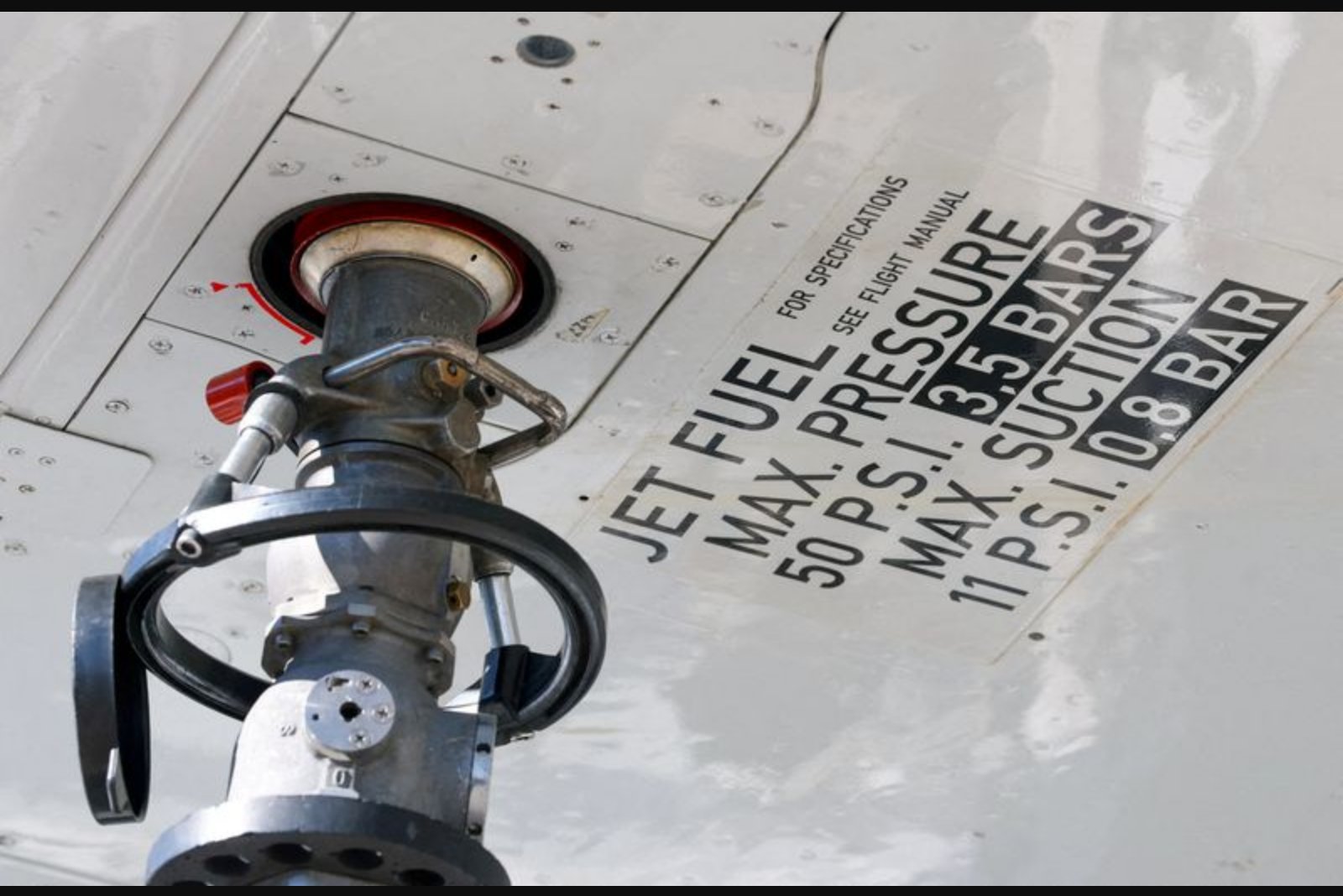
From refineries in Louisiana to storage tanks in Melbourne, the disruption of flows through the Strait of Hormuz has forced a wholesale rerouting of jet fuel shipments around the world. Rather than immediate shortfalls at the pumps, the most visible effect so far has been cargoes travelling unusually long distances as refiners, traders and airlines rearrange supply chains to keep aviation fuelled.
Iran’s closure of the strait - which had previously been a conduit for around 400,000 barrels per day of jet fuel exports - precipitated a spike in European prices that pushed them above $200 a barrel in April, a record high. To compensate for curtailed Middle Eastern volumes, Europe has redirected imports from the United States, Nigeria and India, among other sources.
"It really does come down to who is shortest and most willing to pay," said James Noel-Beswick of Sparta Commodities, summing up the bidding dynamic that has allowed Europe to draw cargoes away from other regions. That willingness to pay has reshaped the trade map, with costlier and longer voyages replacing previously efficient routes.
Global jet fuel demand is projected to average 7.77 million barrels per day this year, according to the International Energy Agency, a figure that is little changed from 2025. With Middle Eastern exports restricted, buyers have been compelled to source fuel from farther afield, stretching supply chains rather than breaking them.
One illustrative shipment was the tanker Nord Ventura, which sailed for more than a month from Louisiana to deliver about 300,000 barrels of jet fuel to Melbourne. Kpler data indicates this was the first such voyage to Australia since at least 2017. Other deviations include a rare European cargo to the Seychelles and imports into Europe from New York Harbour, a region that typically draws supplies from Europe rather than supplying it.
Asia has also tapped supplies originating in the U.S. Gulf Coast and Africa, while China has curtailed exports to protect domestic availability. In practical terms, the market is redistributing finite volumes globally instead of relying on the most efficient trade lanes.
Wizz Air CEO Jozsef Varadi captured the market signal succinctly: "Jet fuel has become so expensive that, with that price, the market is figuring out alternatives for supply chains." That price signal has prompted unconventional routing and an active search for barrels wherever they can be found.
Adaptations so far have included stockpiling and refinery tweaks that have softened the immediate impact of lost Hormuz flows. But signs of strain are emerging in storage and inventories. Independent stocks in Europe’s Amsterdam-Rotterdam-Antwerp hub have fallen to their lowest levels since March, while Singapore middle distillate stocks sit near two-month lows. Europe, despite importing more expensively, still faces difficulty fully replacing the absent Middle Eastern supply.
Noel-Beswick warned that the medium term presents a larger risk: "If the conflict drags on with no resolution in sight, we could start to see real tightness emerge towards late August and into early September." The International Energy Agency has also cautioned that Europe could begin to see jet fuel shortages by June if current conditions persist.
The problem is not purely one of physical availability. Longer shipping routes, increased insurance costs for tankers and intensified competition among buyers are all driving up the price of delivered fuel. That dynamic raises the prospect that product will remain present in the market but at sharply higher cost.
Airlines have so far absorbed much of the shock without widespread operational disruption. Jet fuel typically represents 30% to 40% of operating costs for carriers, and strong travel demand has let many airlines pass some or all of the higher fuel expense through to passengers via higher fares. Industry calculations estimate airlines will face an additional $14 billion in fuel costs in 2026.
Airport operators and some governments have also taken measures to blunt the hit. Measures range from building reserves to temporarily easing import rules, such as Britain allowing continued imports of fuels refined from Russian crude in third countries.
Yet there are early signs that higher costs are beginning to affect demand. The operator of Frankfurt airport, Germany’s largest, has warned that rising fares could weigh on passenger traffic this year, with its traffic projection sitting at the lower end of a 65 million to 66 million passenger forecast.
Consultancy Wood Mackenzie has modelled the potential upside in prices if disruption persists: should the current closure stretch into late 2026, jet fuel prices in major hubs could approach $300 a barrel. That scenario would increase pressure across shipping, refining and storage, and magnify the economic consequences for carriers and passengers alike.
For now, the system has shown flexibility: cargoes are being redirected, refiners are adjusting yields, and inventories are being redeployed. But traders and analysts caution that this resilience has limits, and that the balance between availability and affordability will be increasingly delicate the longer the Strait of Hormuz remains effectively closed.