
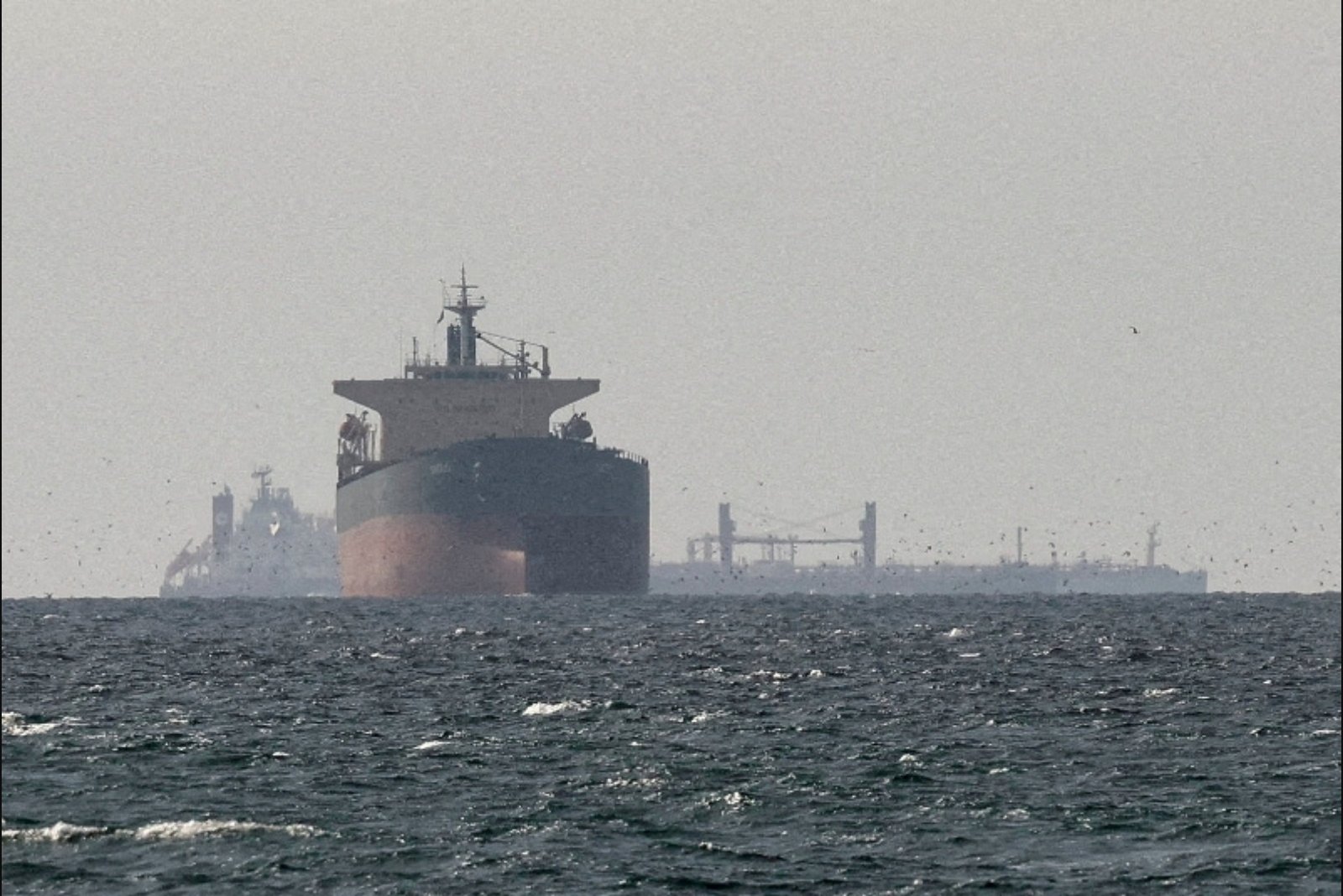
The ongoing U.S.-Israeli conflict with Iran has imposed a toll of at least $25 billion on listed corporations worldwide, according to a comprehensive review of company disclosures since the start of hostilities. Firms from a wide range of industries say they are contending with higher energy costs, fractured supply chains and the loss of critical trade routes after Iran tightened control over the Strait of Hormuz.
At least 279 companies have explicitly cited the war as a driver of defensive actions intended to blunt the financial impact. Responses have included raising prices, cutting production, adding fuel surcharges, suspending dividends and buybacks, furloughing staff and seeking emergency government support.
The economic disruption follows a series of shocks that have already unsettled business operations globally - notably the COVID-19 pandemic and Russia’s invasion of Ukraine - and it is damping expectations for the remainder of the year. There is little indication from corporate disclosures that an early resolution of the conflict is near.
Executives and analysts point to a sharp deterioration in industry conditions. Whirlpool’s chief executive, Marc Bitzer, said the current level of decline in parts of industry is comparable to what was seen during the global financial crisis and exceeds other recessionary periods. Whirlpool halved its full-year forecast and suspended its dividend as it cited the conflict among the factors behind the move.
As revenue growth slows, analysts warn pricing power will erode and fixed costs will become harder to absorb. That dynamic threatens profit margins in the second quarter and beyond, and sustained price increases are expected to feed into broader inflationary pressure that could further depress fragile consumer confidence.
"Consumers are holding back on replacing products and rather repairing them," Bitzer said.
Rising input and transport costs are evident across multiple product categories. Producers of household goods, chemicals, materials and industrial components have reported higher expenses as oil has risen and key feedstocks have tightened. The conflict-driven blockade of the Strait of Hormuz - a vital energy chokepoint - has sent the price of oil above $100 a barrel, more than 50% higher than levels before the war.
That closure has increased shipping costs, reduced availability of raw materials and severed trade routes essential for the movement of goods. Supply constraints have been reported for fertilisers, helium, aluminium, polyethylene and various other inputs. One-fifth of the companies reviewed - spanning sectors from cosmetics to tyres to cruise operators and airlines - have reported a direct financial impact related to the war.
A majority of the affected firms are based in the UK and Europe, regions that were already facing elevated energy costs. Almost a third of those reporting impacts are in Asia, reflecting those markets’ dependence on Middle Eastern oil and refined fuel products.
To provide context for the scale of the costs, the analysis notes that by October last year hundreds of companies had flagged more than $35 billion in expenses linked to U.S. tariffs announced in 2025. In the current war-related tally, airlines represent the largest category of quantified losses, accounting for nearly $15 billion as jet fuel prices have nearly doubled.
As the bottleneck in the Strait of Hormuz persists, more companies outside the travel sector are registering sizable hits. Japan’s Toyota warned of a $4.3 billion impact, while Procter & Gamble estimated a $1 billion post-tax profit blow. Fast-food operator McDonald’s said it expects higher long-term cost inflation stemming from sustained supply-chain disruption, a concern that has migrated from industrial earnings calls into consumer-facing management commentary.
McDonald’s Chief Executive Chris Kempczinski attributed part of the slowdown in lower-income consumer demand to the surge in fuel prices, saying that "elevated gas prices are the core issue we’re seeing right now."
Companies with exposure to Middle Eastern petrochemical supply chains are signaling they will pass through some of the higher costs. Nearly 40 firms in industrials, chemicals and materials have indicated plans to raise prices because of this exposure. Newell Brands’ Chief Financial Officer Mark Erceg quantified the sensitivity for his company, saying that every $5 increase in the per-barrel price of oil raises costs by roughly $5 million.
German tyre maker Continental expects at least a 100 million euro ($117 million) hit starting in the second quarter due to rising oil-driven raw material costs. An executive at Continental said the effect would likely appear in the company’s profit-and-loss statement three to four months after the increase in oil prices, noting it "probably hits us late in Q2, and then it will come in full-blown in the second half."
Despite these mounting cost pressures, corporate profits remained resilient through the first quarter, helping major indexes such as the S&P 500 reach new highs even as energy costs rose and bond yields climbed on inflation concerns. Yet analysts have begun trimming margin forecasts for the upcoming quarter.
Since March 31, second-quarter net profit margin projections have been reduced by 0.38 percentage points for S&P 500 industrials, 0.14 percentage points for consumer discretionary companies and 0.08 percentage points for consumer staples, according to FactSet data cited by analysts. In Europe, Goldman Sachs analysts warn that STOXX 600-listed companies will encounter margin pressure beginning in the second quarter as hedging protections expire and passing through extra costs becomes more difficult.
Sector-specific warnings are mounting. Consumer-facing industries including autos, telecoms and household products are facing negative revisions of more than 5% for the next 12 months, said Gerry Fowler, UBS head of European equity strategy. In Japan, analysts have halved estimates for second-quarter earnings growth to 11.8% since the end of March.
Rami Sarafa, chief executive of Cordoba Advisory Partners, said the full hit to earnings has yet to surface in most companies’ published results, indicating that further downward revisions and profit pressure may be forthcoming as the second quarter unfolds.
($1 = 0.8540 euros)
Summary
- The U.S.-Israeli war with Iran has led to at least $25 billion in reported costs for companies listed in the U.S., Europe and Asia as energy prices, supply chains and trade routes are disrupted.
- At least 279 companies have announced defensive measures such as price hikes, production cuts, dividend suspensions and fuel surcharges to mitigate the financial impact.
- Airlines account for nearly $15 billion of the quantified losses, with jet fuel almost doubling in price; other large hits include Toyota ($4.3 billion) and Procter & Gamble ($1 billion post-tax).
Key points
- Energy and transportation - surging oil and jet fuel prices are driving the largest quantified corporate losses, particularly for airlines and logistics-reliant sectors.
- Manufacturing and materials - producers of chemicals, plastics, aluminium and fertilisers are reporting higher input costs and supply constraints tied to the Strait of Hormuz blockade.
- Consumer-facing sectors - autos, household goods and fast-food operators are warning of weakening demand and margin pressure as cost inflation hits consumers.
Risks and uncertainties
- Escalation or prolongation of the conflict could sustain high oil prices and extend supply-chain disruptions, further pressuring airline, industrial and consumer-sector margins.
- Hedging protections for many companies will expire in the second quarter, potentially exposing firms to additional cost passthrough challenges and margin compression, especially in Europe.
- The true earnings impact may be delayed - many firms have not yet shown the full hit in published results, suggesting revisions to earnings forecasts could continue into subsequent quarters.
Note: Exchange rate provided in company disclosures: $1 = 0.8540 euros.