
Stock Markets June 1, 2026 06:06 AM

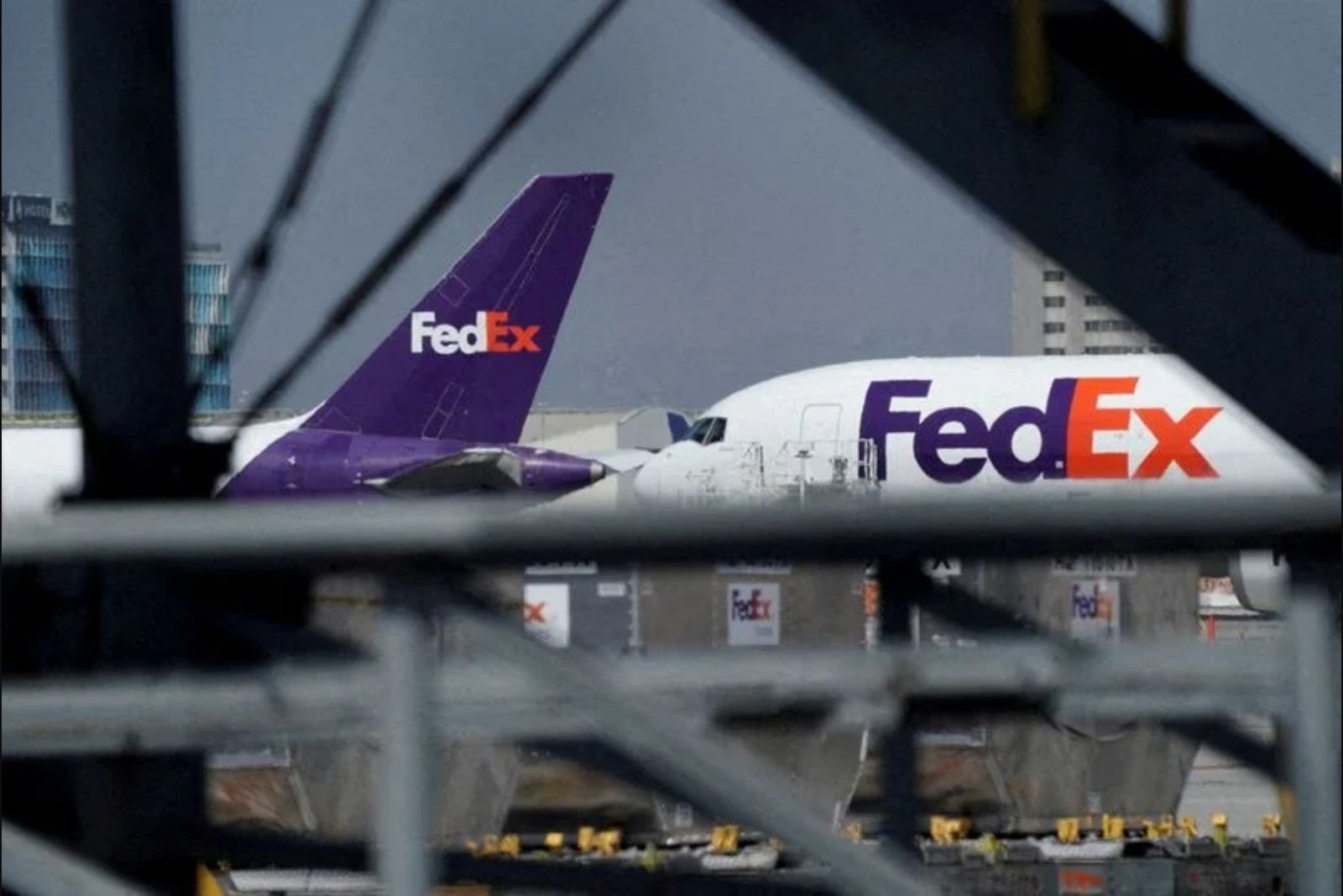
FedEx Freight Starts Independent Trading as Spin-Off Finalizes

Largest U.S. LTL carrier to list under FDXF amid industry shifts and execution risks

By Maya Rios FDX

FedEx Freight will complete its separation from FedEx Corp on Monday and begin trading on the New York Stock Exchange under the ticker FDXF. The company, the largest U.S. provider of less-than-truckload services, is going public as an independent operator during a period when freight rates may be stabilizing after a four-year decline. Analysts highlight both potential margin upside and execution risks tied to the spin and service performance. Company forecasts include mid-single-digit revenue growth and double-digit core profit expansion over the medium term, balanced against near-term costs associated with modernizing and disentangling operations from its former parent.

FedEx Freight Starts Independent Trading as Spin-Off Finalizes
FDX

Key Points

  • FedEx Freight will complete its spinoff and begin trading on the NYSE under the symbol FDXF; it is the largest U.S. less-than-truckload carrier.
  • Analysts see room for margin improvement if management can convert network advantages into better service, higher revenue per shipment and improved operating ratios; valuation views vary due to execution risk.
  • Company guidance calls for 4%-6% average revenue growth and 10%-12% average core profit growth over the medium term, while near-term profits will be affected by separation and modernization costs.

FedEx Freight is set to formally separate from FedEx Corp and begin independent trading on the New York Stock Exchange on Monday under the symbol FDXF. The business is the largest provider of less-than-truckload, or LTL, services in the United States and will enter public markets as a standalone company.

The timing of the debut coincides with signs that freight rates may be emerging from a multi-year slump. That easing follows a period in which several carriers left the market after suffering financial losses and amid regulatory moves pushing to limit commercial driver licenses to U.S. citizens only, developments that have affected industry capacity and pricing dynamics.

Market analysts see a range of possible outcomes for the newly independent firm. In a recent note, BMO Capital Markets analyst Fadi Chamoun said that as a "newly separated, pure-play entity," FedEx Freight presents a meaningful opportunity to improve margins, but that such gains will be highly dependent on execution. Chamoun emphasized that turning any network advantage into higher quality service, increased revenue per shipment and a sustained improvement in operating ratio will be essential to realizing that potential.

J.P. Morgan analyst Brian Ossenbeck takes a more cautious view on valuation. He said he values FedEx Freight at a lower multiple than some peers - XPO, Saia and Old Dominion Freight Line - citing execution risk, transition costs related to the spin and continuing underperformance on service and volume metrics as reasons for a discount.

Management has provided mediums-term guidance that frames expectations for investors. Chief Financial Officer Marshall Witt said in April that FedEx Freight expects average revenue growth of 4% to 6% over the medium term. Witt also projected average core profit growth in the range of 10% to 12% for the same time horizon.

Witt noted that investments required to modernize the business and separate systems and operations from FedEx will weigh on near-term profitability. Over time, however, management expects that tighter cost controls, investments in automation and a shift toward higher-margin freight will bolster margins.


What to watch as trading begins

  • Execution on post-spin operational plans and service improvements.
  • Revenue per shipment trends and any sustained operating ratio improvements.
  • Near-term profit impacts from separation and modernization investments versus expected medium-term margin expansion.

Risks

  • Execution risk and transition costs related to the spin could limit near-term performance and weigh on valuation - this impacts equity investors and the transportation sector.
  • Persistent underperformance on service and volume metrics may constrain revenue and margin recovery, affecting customers and freight market competition.
  • Regulatory pressure on commercial driver licensing and exits of some operators from the market create uncertainty in capacity and freight rate dynamics, with implications for logistics and shipping markets.

More from Stock Markets

S&P Global Upholds Fast-Entry Rules Ahead of SpaceX Public Debut Jun 4, 2026 Insperity Shares Climb After CEO Buys 233,000 Shares Jun 4, 2026 SpaceX Signals Firmness on $135 IPO Price as Roadshow Begins Jun 4, 2026 CME Chief Warns CFTC Approval of Perpetual Crypto Futures Could Create Systemic Risk Jun 4, 2026 AmperCap Raises $125 Million in NASDAQ Listing as It Targets U.S.-Mexico Middle-Market Deals Jun 4, 2026