
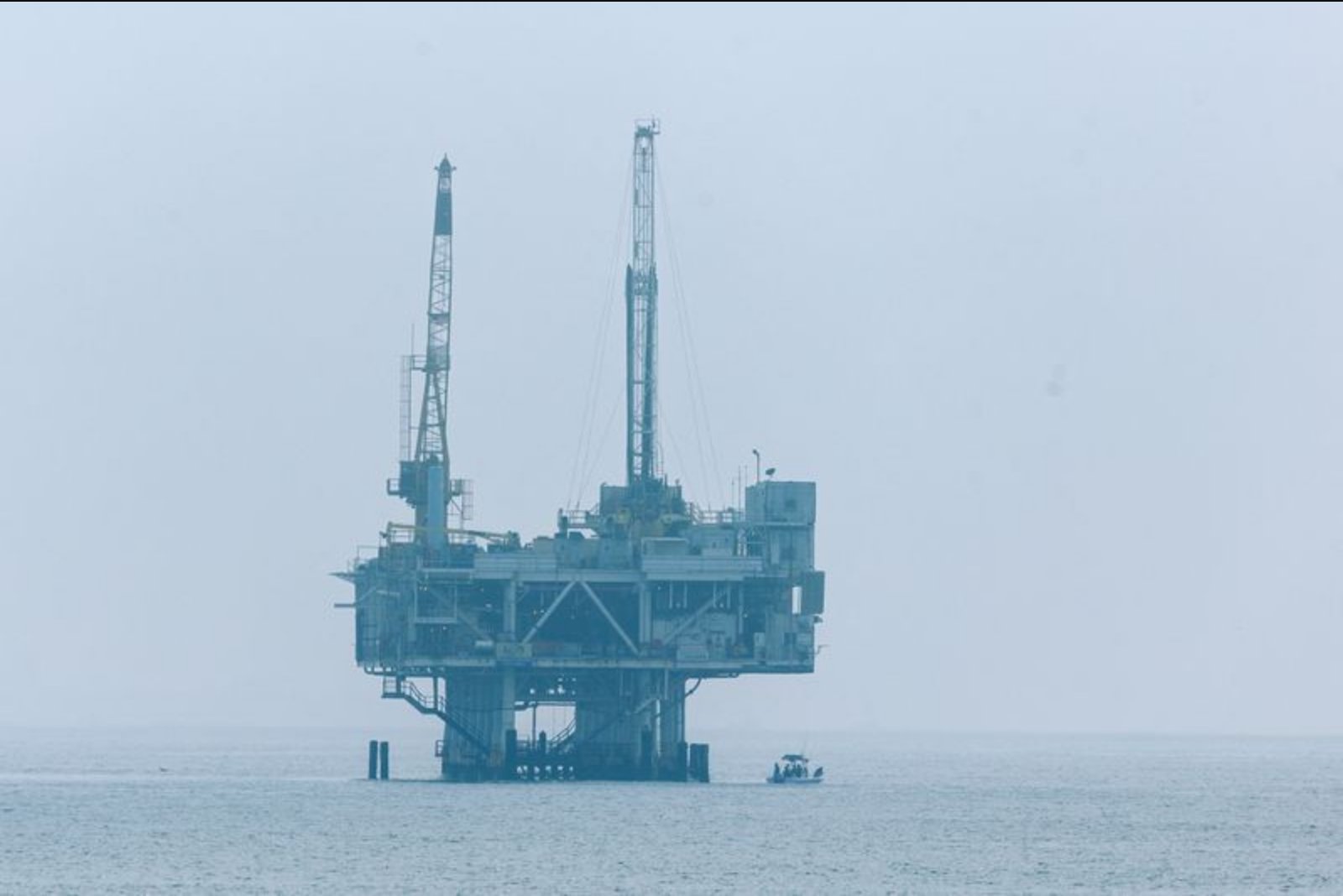
NEW YORK, May 28 - A U.S. District Court on Thursday declined to order a stoppage of oil transport through a contested segment of pipeline connected to the Santa Ynez offshore platform, rejecting a motion filed by the California Department of Parks and Recreation.
The parks department had sought preliminary injunctive relief, arguing that the use of the section of Sable Offshore Corp's pipeline that runs beneath Gaviota State Park would cause it irreparable harm. The district court for the Central District of California found otherwise, saying the department had "manifestly failed to demonstrate that it will suffer irreparable harm in the absence of preliminary injunctive relief."
The court's ruling is a setback for state efforts to halt the Santa Ynez project. Sable had resumed operations in March after intervention by the federal government, and the latest order preserves the company's ability to move oil using the pipeline at issue. For Sable the decision represents a significant legal victory, with the company's shares rising nearly 12% on the news.
California State Parks issued a statement expressing disappointment with the court's decision and said it will continue to challenge what a spokesperson described as Sable's "egregious trespass on public land." The department's legal campaign has not concluded: the district court noted that several other challenges from various California state bodies remain active, including a separate lawsuit against the U.S. Department of Energy. Most of those cases are at preliminary stages, the court's order said.
The dispute centers on the legality and environmental implications of using a pipeline segment beneath public parkland, and it has generated multiple parallel legal actions by state agencies. The court's Thursday ruling applies specifically to the park department's request for a preliminary injunction; it did not resolve the broader array of pending state challenges.
The outcome preserves the status quo for Sable Offshore's operations for the near term while leaving other litigation to proceed through the courts. State officials have signaled they will continue pursuing legal avenues to contest the project's presence on and under public land.