
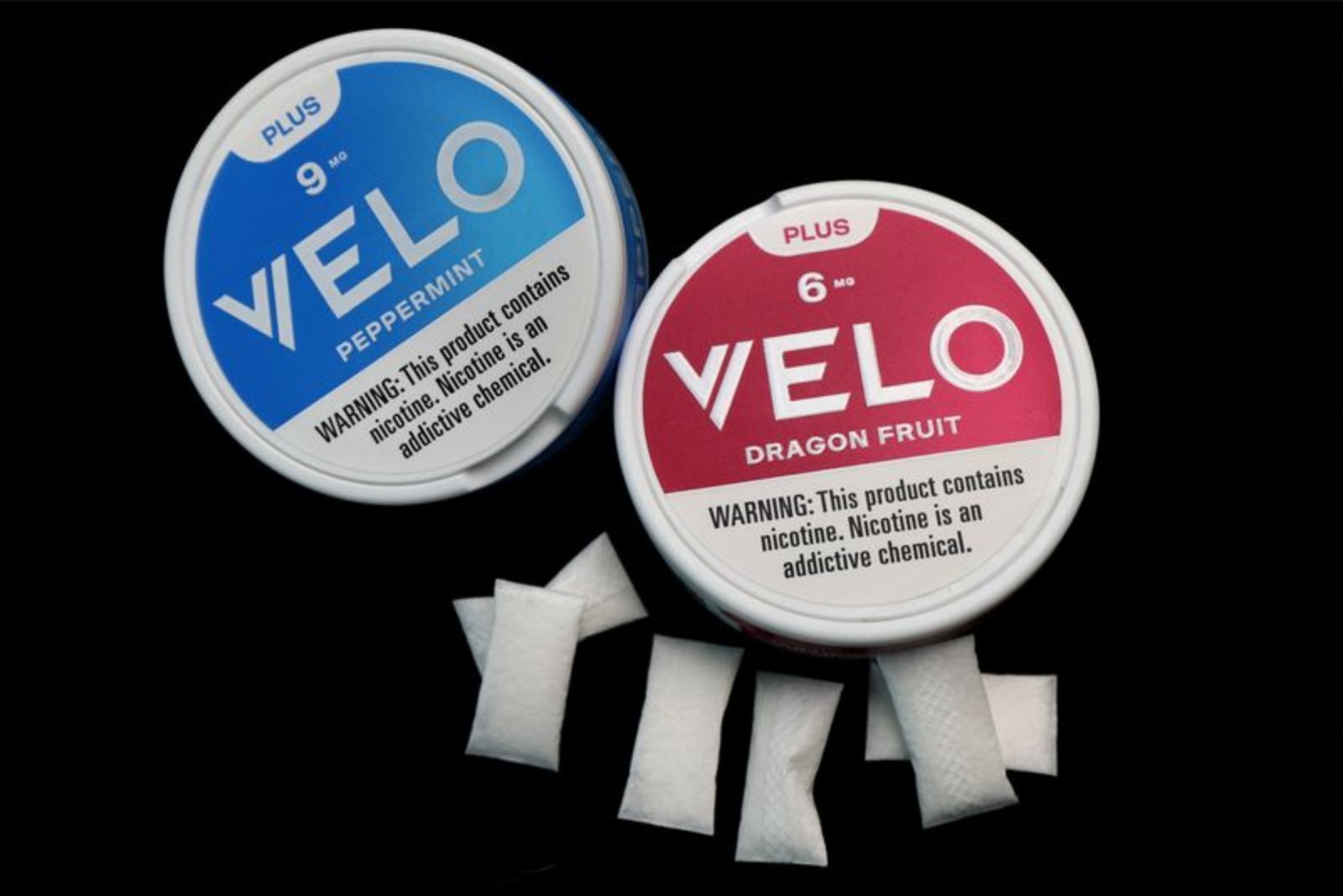
WASHINGTON - The U.S. Food and Drug Administration has adopted a more permissive approach to new vaping products and nicotine pouches, telling manufacturers that regulators will exercise "enforcement discretion" and allow some unauthorized products to be sold while their applications move through the review process. Three current and former Trump administration officials said the change could lead to hundreds more such products appearing in the market over the coming weeks and months.
Under the agency's prior practice, companies were required to secure pre-marketing authorization for vaping products - a step that regulators said helped constrain youth access to flavored devices. The administration's swift reversal - announced days before FDA Commissioner Marty Makary resigned - bypassed the extended public comment periods that typically accompany substantial regulatory shifts, two former FDA tobacco chiefs said, and has prompted debate about the implications for consumer safety.
Industry lobbying played a central role in the policy change, according to officials familiar with discussions at the White House. Tobacco executives pressed the president for a new approach, arguing at a recent meeting that previous FDA policy had created a large illegal market dominated by imported products, particularly from China. One official who was briefed on the meeting said tobacco executives contended that the prior framework allowed what they described as a substantial illicit segment of the market.
Officials quoted by people briefed on the process estimate that roughly 100 to 200 products could immediately take advantage of the new enforcement stance. Another source familiar with the FDA's internal review said about 1,000 applications are currently at the agency's scientific review stage - a status that indicates those submissions have presented sufficient data to be considered under the new direction. The precise number of products that will ultimately benefit from the policy was not reported elsewhere.
Advocates for tighter restrictions caution that the shift aligns with longstanding industry priorities. Brian King, who formerly led the FDA's Center for Tobacco Products and now works at the Campaign for Tobacco-Free Kids, said the FDA's change mirrors "a longstanding ask by industry." His group warned that the guidance opens the door to broader legal sales of flavored vapes, which they say are appealing to minors and therefore increase youth risk.
FDA data cited by public health advocates show that about 1.4 million U.S. teenagers - roughly 5 percent of that population - reported vaping last year, down from a peak of over 6 million in 2019. Supporters of the policy say expanded access to alternative nicotine products could aid adult smokers seeking to quit. "Clearly, we want to keep nicotine out of the hands of young people, but for adults who smoke, we need alternatives," said Vaughan Rees of Harvard University's School of Public Health.
Officials at Health and Human Services described the guidance as strengthening enforcement against illegal and unauthorized nicotine products while providing a more orderly transition to a regulated market. An HHS spokesman, Andrew Nixon, said the new guidance supports intensified action against illicit products and helps steer the market toward regulated alternatives.
The White House framed the policy shift as consistent with President Trump's prior pronouncements on expanding access to these products. In a statement, White House spokesman Kush Desai said that "President Trump consistently pledged to expand access to vapes and nicotine pouches in light of an abundance of evidence finding that these products are beneficial for Americans trying to quit smoking" and added, "The only guiding factor behind the Trump administration’s health policymaking is Gold Standard Science."
Industry estimates and market research cited by advocates and companies suggest that a large share of U.S. vape sales takes place outside the regulated market. Tobacco companies and Euromonitor have said that at least 70 percent of U.S. vape sales are illegal, and one estimate put the market for those unauthorized products at about $8 billion in 2024.
President Trump's interest in flavored vapes stretches back to his first term, officials said, and he views vapes as important to sustaining political support among certain voter groups. The administration has moved in several directions since the president's return to office - killing a proposed ban on menthol cigarettes, accelerating FDA reviews for some products, and intensifying enforcement efforts against unauthorized Chinese-made vapes.
Industry engagement with the president has included substantial political donations, filings show. In the run-up to the decision, Reynolds American - a unit of British American Tobacco - donated $5 million to the pro-Trump super PAC Maga Inc, according to campaign finance records. Following a meeting between tobacco executives and the president, Trump placed a call to Health Secretary Robert F. Kennedy Jr., who directed officials at the FDA and HHS to implement the change, according to one official familiar with the sequence of events.
Analysts and industry executives say the new policy is likely to be a commercial boon for major tobacco companies. Barclays analyst Pallav Mittal said the shift will catalyze sales for the industry and expects Philip Morris International to sell up to an additional 12 million of its leading Zyn nicotine pouches this year, given plans to introduce a new version. Market watchers also suggested that Reynolds may consider launching flavored versions of its Vuse vape brand in response to the policy change.
Reynolds said it was reviewing the guidance, while Philip Morris did not offer comment on the status or plans for its not-yet-licensed products. Tony Abboud, head of the Vapor Technology Association, said it remained unclear whether members of his group - which does not represent tobacco companies - would derive benefits from the shift. Abboud has argued that flavored vapes assist adult smokers in switching away from combustible tobacco, and he noted that youth vaping rates have fallen even as illegal sales persist. Abboud participated in meetings with White House officials and with Commissioner Makary prior to the policy decision.
Not everyone welcomed the new approach. Mitch Zeller, a former head of the FDA's tobacco office, warned that the policy could expose adult smokers to untested products that later might be found to contain harmful chemical levels or to offer limited cessation benefits. He said the political influence felt in the FDA's decision-making process harms public health and erodes public confidence in government institutions.
Summary
The FDA's recent guidance to exercise enforcement discretion for certain unauthorized vaping products and nicotine pouches is expected to permit a rapid expansion of legally sold items while applications are reviewed. The policy change - directed from the White House and instituted just before the FDA commissioner resigned - reflects long-standing industry goals and may boost sales for major tobacco firms, even as public health groups warn it increases risks to youth and the public.
Key points
- The FDA will use enforcement discretion to allow some unauthorized vapes and nicotine pouches to be sold while applications are under review, potentially permitting hundreds more products on the market.
- Industry lobbying and White House involvement were central to the policy shift; one company donated $5 million to a pro-Trump super PAC shortly before the change, and the president directed the health secretary to act following a meeting with tobacco executives.
- The change is expected to help large tobacco companies commercially - analysts foresee additional sales of nicotine pouches and potential flavored product rollouts - while public health advocates warn it may increase youth exposure to flavored vapes.
Risks and uncertainties
- Public health risk - Critics say the guidance could lead to greater youth exposure to flavored vapes, affecting the youth vaping trajectory and public health outcomes.
- Regulatory risk - Allowing untested products onto the market raises the possibility that some items might later be found to contain harmful chemical levels or to provide limited benefit for quitting, posing potential consumer safety concerns.
- Market and reputational risk - The perception of political influence over regulatory decisions may undermine trust in regulatory institutions and create uncertainty for companies and investors in the tobacco and nicotine product sectors.
Tags: tobacco, regulation, vaping, FDA