
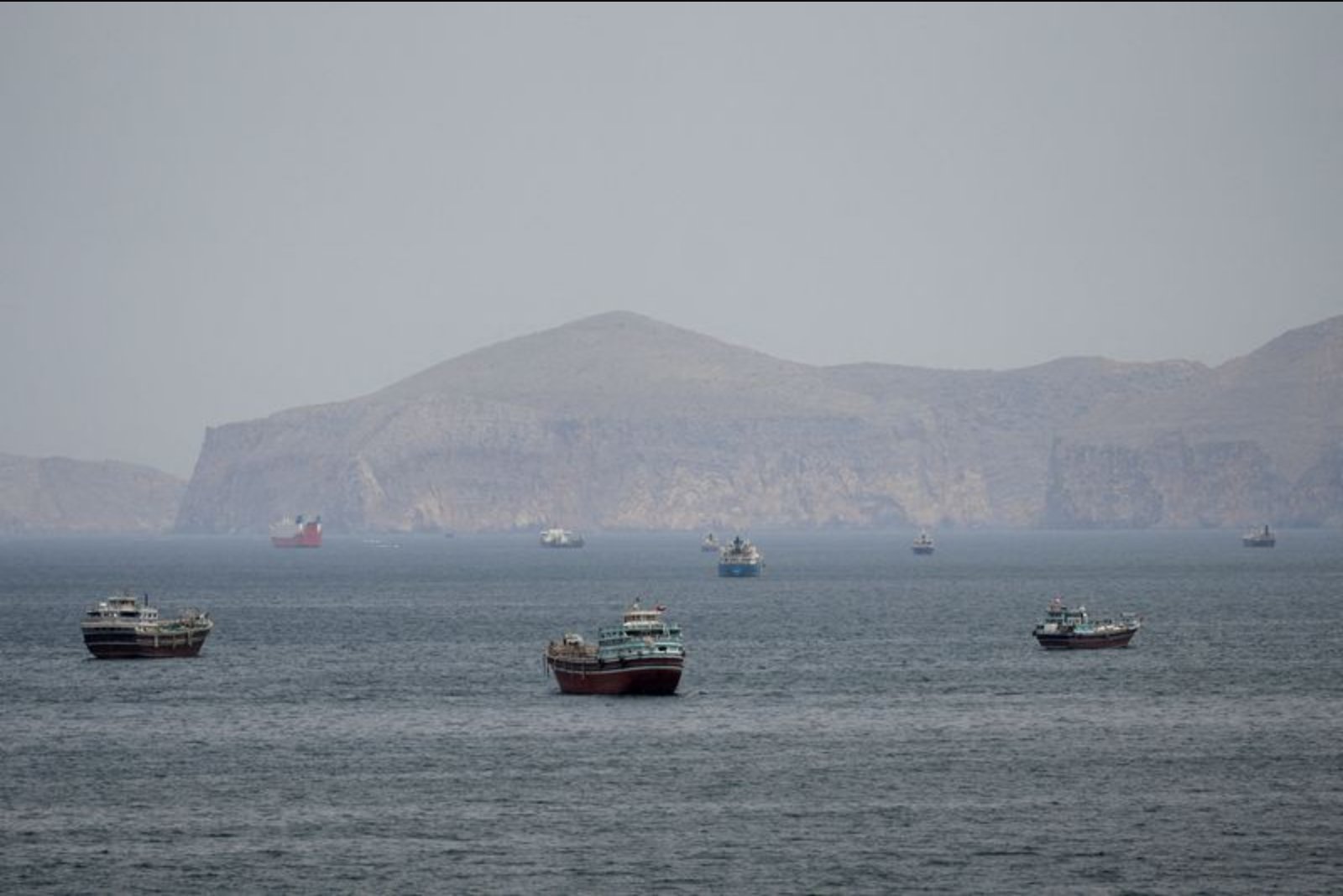
The United Nations Food and Agriculture Organization has warned that a shutdown of the Strait of Hormuz would amount to the start of a "systemic agrifood shock" with the potential to trigger a severe global food price crisis within six to 12 months. The FAO described the disruption as more than a temporary shipping issue and cautioned that "the window for preventive action is closing quickly."
In a statement published on Wednesday, the agency laid out immediate and medium-term steps that it said governments, international financial organisations and the private sector must consider to limit the fallout. At the centre of its recommendations are choices about alternative trade routes, restraint on export restrictions, measures to protect humanitarian flows and the creation of buffers to handle higher transport costs.
Urgent operational choices
The FAO urged a shift of trade toward alternative land and sea routes in the short term, and said authorities should refrain from imposing export restrictions - particularly on energy, fertilizers and other agricultural inputs - to avoid amplifying market disruption. The agency also stressed that food aid must be shielded from any trade curbs so humanitarian deliveries are not interrupted.
Support for producers and financing tools
Looking beyond immediate logistics fixes, the FAO recommended emergency credit lines for farmers that are aligned with harvest periods, and expanded use of digital farmer registries to speed up the disbursement of aid. The agency also called for reactivating a food shock financing window that was established in 2022 to provide targeted support during acute food security events.
FAO Chief Economist Maximo Torero said in a new podcast published on Wednesday that "the time has come to start seriously thinking about how to increase the absorption capacity of countries, how to increase their resilience to this choke, so that we start to minimize the potential impacts."
Price signals and additional strain from weather
The FAO noted that its Food Price Index - which measures monthly changes in international prices for a basket of globally traded food commodities - rose for a third consecutive month in April, driven by high energy costs and disruptions linked to the Middle East conflict. The agency warned that the situation could worsen with the onset of the El Nino weather pattern, which is expected to bring droughts and to disrupt rainfall patterns across several regions.
Summary of FAO short and medium-term measures
- Short term: reroute trade via alternative land and sea corridors; avoid export restrictions on critical items such as energy, fertilizers and agricultural inputs; ensure food aid is exempt from curbs.
- Medium term: provide emergency credit lines timed to harvests; use digital registries to accelerate aid distribution to farmers; reactivate the 2022 food shock financing window.
The FAO framed these recommendations as essential actions for governments, international financial institutions and private sector actors to take now, stressing that delays would increase the difficulty of preventing a deepening food price crisis. The agency emphasised both the logistical choices around trade corridors and the financial measures needed to increase resilience and absorption capacity in affected countries.
Investor note included in original bulletin
The bulletin that carried the FAO warning also contained a note advising that better data helps inform investment decisions and referenced a subscription service that combines institutional-grade data with AI-driven insights to identify investment opportunities. That item presented the view that such tools can help investors find more winners more often, while noting they do not guarantee success.