
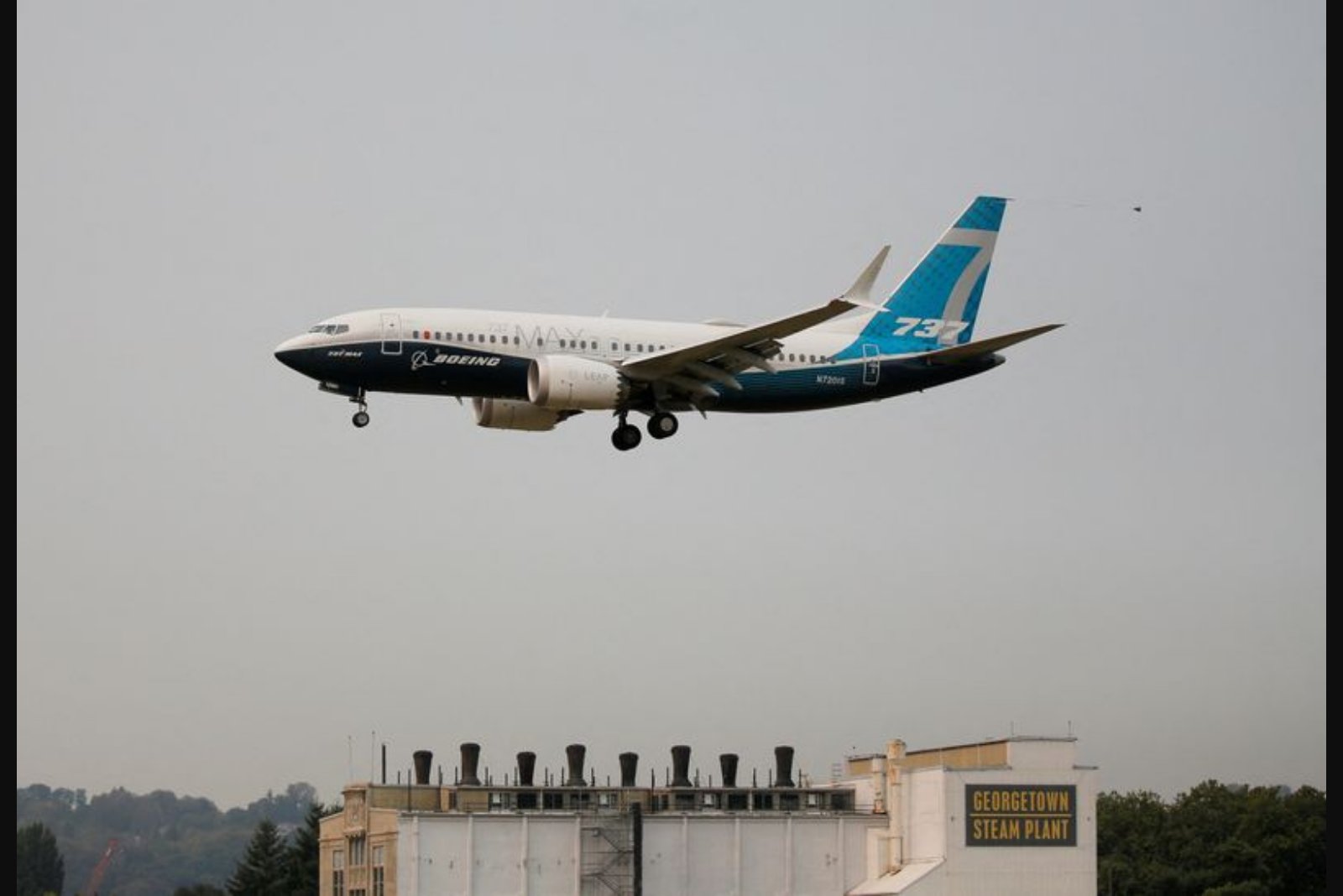
FAA Administrator Bryan Bedford said at an aviation forum in Washington that he anticipates certification of the Boeing 737 MAX 7 this summer, with the larger MAX 10 likely to be approved before the end of the year. Speaking to reporters, Bedford also indicated he expects Boeing to lift production of the 737 MAX again within the next 90 days.
The FAA has backed Boeing’s recent decision to move monthly production from 42 to 47 aircraft. Bedford said the agency views the increase as consistent with safety and manufacturing expectations and signaled that further incremental rate hikes are possible.
"It’s important for the country that Boeing is successful," Bedford said. "We are absolutely comfortable with 42 to 47 and I suspect in another 30, 60, 90 days we’re going to see continued rate increases."
In October, the FAA authorized Boeing to expand 737 MAX output to 42 planes per month, removing a prior cap of 38 planes that had been in place since January 2024. Boeing has said it aims to reach a production pace of 52 jets per month early next year after bringing a fourth 737 production line online in Everett, Washington.
The MAX 7 is a shortened variant of the MAX family, which also includes the MAX 8 and MAX 9 models that are already in service and have logged tens of thousands of flight hours. Certification of both the MAX 7 and the larger MAX 10 has been delayed by an engine de-icing issue, the FAA said. Separately, Boeing has experienced delays in certifying the widebody 777X.
Boeing’s chief executive, Kelly Ortberg, said on the same day that he is "pretty confident that we’re not going to see any hiccups in the remaining phase of flight testing" for the new 737 MAX engine anti-ice system. That testing is a condition for final approvals on the affected MAX variants.
Production limits on Boeing were implemented after a mid-air cabin blowout in 2024 involving a new Alaska Airlines 737 MAX airplane. Bedford emphasized the FAA’s interest in building quality and safety into the manufacturing process to avoid rework and reduce the need for reactive interventions.
"The best thing we can do to help Boeing is have them build quality and safety in the frames at the factory versus dealing with rework," Bedford said. He added that there is greater transparency from Boeing, and that collaborative engagement allows the FAA to help identify potential problems early and support solutions incorporated into Boeing’s quality systems.
Bedford’s remarks signal a regulatory posture focused on supporting manufacturing recovery while maintaining oversight tied to recent safety and testing developments. The FAA’s public comments also underline that certification milestones for the MAX family remain linked to the outcome of flight testing and resolution of technical issues identified by regulators and Boeing.
Contextual note: The timeline asserted by the FAA hinges on pending flight-test results and completion of required work on the engine anti-ice system and other certification items. The agency’s expectation for further rate increases reflects both recent production approvals and Boeing’s stated factory expansion plans.