
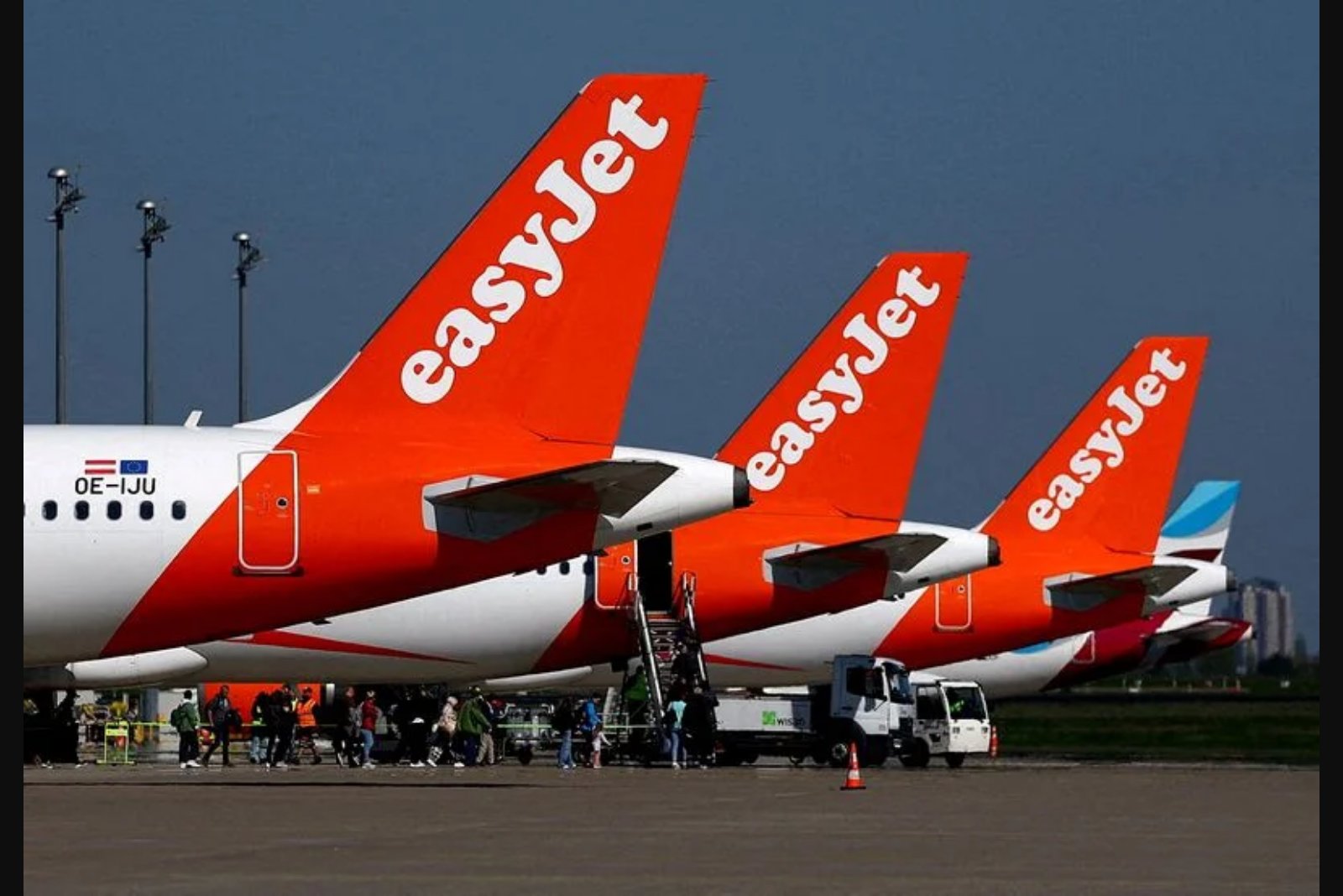
As fighting in the Gulf has driven oil prices upward, executives and investors in aviation see growing indications that Europe's financially weaker carriers could be on the brink of a shakeout. Several airlines are already weighing major strategic moves: British low-cost carrier easyJet is close to a U.S.-led takeover that would take the 30-year-old company private at a valuation well below its pre-pandemic highs; Latvia's airBaltic has been seeking short-term funding to avoid default; and Norway's Norse Atlantic is carrying out a strategic review.
Although many carriers repaired balance sheets after the pandemic, this latest surge in fuel costs has depressed share prices and exposed fragile finances at some operators. Those carriers now face decisions about restructurings, private buyouts or even filing for bankruptcy protection to survive a period of renewed volatility in operating costs.
Warning signs and market reaction
Financial advisers and bankers say the pressure is widespread enough that they are actively preparing for several large restructuring cases across Europe. "We are pitching, I think, four or five very large airlines on restructuring situations just at the moment across Europe," Barema Bocoum, head of EMEA at advisory firm Interpath, told Reuters.
Industry forecasters recently cut profit expectations for the global airline sector for 2026 by nearly half, explicitly citing the Middle East conflict as a driver of higher fuel costs, disrupted air corridors and the exposure of slim margin operators. Analysts and market participants say the extended Iran war has added to persistent post-pandemic cost pressures.
"It feels as though the cycle is over almost before it began," said UK-based aviation analyst Rob Morris, reflecting a market view that the post-pandemic recovery in capacity and demand may be faltering under the weight of input-cost shocks.
Prudence in capacity and a shift in growth plans
Airlines have reacted by dialing back expansion plans and adopting a cautious stance on capacity growth. Airbus this month revised down its 20-year passenger aircraft demand forecast, citing a slowdown in the post-pandemic rebound amid war and trade tensions. Aviation adviser and former sector banker Bertrand Grabowski noted that carriers are generally opting for modest growth in the United States, Europe and Southeast Asia, with only a few exceptions such as Turkish Airlines expanding more aggressively.
Higher jet fuel prices - which can account for more than a third of total airline costs when fuel is elevated - have sparked renewed concern about the survivability of smaller operators this winter if they cannot generate enough cash during the critical summer season. Although jet fuel has shown signs of stabilization in recent weeks, lingering volatility in the Middle East continues to raise doubts about whether weaker European airlines will accumulate sufficient liquidity to make it through the off-peak months.
"The smaller (airlines) are the ones probably in danger," said London-based aviation analyst James Halstead. He added that a loss of summer traffic could be fatal for some carriers operating with limited cash buffers, and that while airlines might ‘‘muddle through the summer," larger problems may emerge early next year. "The usual thing is that airlines run out of cash in February," he said.
Specific carriers under strain
Several named carriers illustrate the range of stress in the sector. Poland's LOT has long been viewed by some as a potential consolidation target, airBaltic's 2029 bond yield has surged as investors price in higher default risk, and Norse Atlantic's share price has tumbled to near zero since its prominent listing in 2021. easyJet, meanwhile, faces an imminent takeover bid that would take the firm private at a substantially reduced valuation relative to its pre-pandemic level.
An airBaltic spokesperson declined to comment on its financial position. LOT emphasized that its recent performance demonstrated the strength of its business model and long-term strategic plan. Norse Atlantic did not respond to a request for comment.
Sector resilience vs emerging vulnerabilities
The airline industry has a history of unexpectedly withstanding predictions of mass failures, showing an ability to absorb shocks and adapt. Yet some market-watchers view current indicators as early signs that the robust recovery since the pandemic could be losing momentum because of higher fuel costs and other input pressures.
Analysts point to several metrics they monitor for evidence of weakening: airlines' capacity plans, the pricing of second-hand aircraft, and the frequency and scale of bankruptcies. In the United States, rising costs for fuel, labour, maintenance and aircraft leasing have eroded some low-cost carriers' historical cost advantages, a dynamic that contributed to the collapse of Spirit Airlines in May, according to market commentary contained in the reporting.
Budget airline Wizz Air has been flagged by analysts as having a vulnerable balance sheet that could make it a target for consolidation. Wizz Air has stated that it has sufficient liquidity; CEO Jozsef Varadi told reporters in April he expected more bankruptcies to hit the sector toward the end of the summer as forward bookings for the less profitable winter season decline. He added that Wizz could benefit from the troubles of competitors by picking up routes. "We remain opportunistic," he said.
Willie Walsh, director general of trade body the International Air Transport Association, told Reuters in June that some carriers would likely fail or be absorbed by larger rivals if fuel prices remain elevated. "Unfortunately, I think there will be some carriers that will find this high fuel price very difficult to cope with," Walsh said.
What market participants are watching next
Bankers and investors are watching the summer season closely to see whether weaker carriers can generate the cash flow needed to survive into the next calendar year. They are also monitoring signs of consolidation activity, restructuring cases, and any uptick in distress among bondholders and lessors. If fuel prices stay high or volatility returns to the Middle East, market participants expect pressure on margins to persist and the pace of industry consolidation to accelerate.
Bottom line
The combination of renewed conflict in the Gulf, rising jet fuel costs and the delicate financial position of several European carriers has created a situation in which a wave of restructurings, takeovers or insolvencies is possible. While some firms may weather the current shock, others - particularly smaller, highly leveraged carriers - face an uncertain path through the winter if they cannot secure financing or reduce costs in time.