
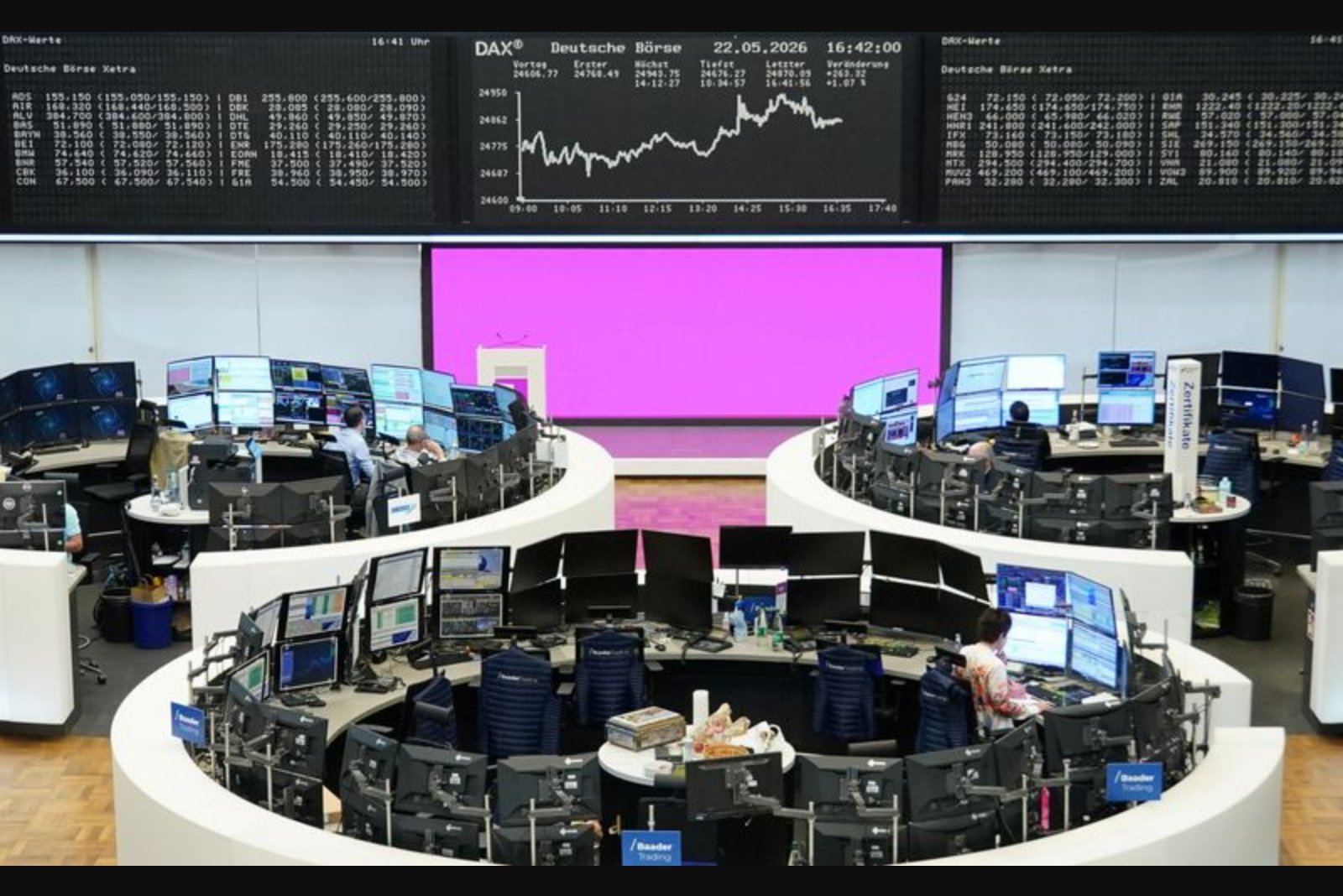
European stock markets showed little net movement on Tuesday as investors re-evaluated the likelihood of a swift resolution to the Middle East conflict following new U.S. attacks on Iran. The pan-European STOXX 600 was flat at 631.92 points by 0707 GMT, reflecting a cautious tone across traders who had grown more optimistic at the start of the week.
On Monday the index had closed at its highest level since February 27 - the date given in market commentary as preceding the outbreak of hostilities - and had drawn within 1% of an all-time high amid hopes that a peace settlement could be close. Those hopes were pared back after the latest military actions and comments from U.S. Secretary of State Marco Rubio that negotiating a deal with Iran could "take a few days," prompting market participants to seek signals about whether tensions might escalate further.
Commodity markets moved noticeably, with Brent crude up about 2%. The gain in oil prices renewed inflation concerns because the euro zone depends heavily on oil shipped through the Strait of Hormuz, a key chokepoint for global energy flows. Within equities, shares of energy-price-sensitive carriers were hit: German carrier Lufthansa and Ryan Air each fell about 1.3%. The German airline was also affected by a downgrade from Morgan Stanley, according to market reports.
The automobiles and parts sector was among the weaker groups, declining roughly 2% after Ferrari tumbled about 7%. The luxury sports car maker’s share price moved sharply lower after it unveiled its first fully electric vehicle, at a time when some rivals such as Porsche and Lamborghini are reported to be scaling back EV plans and citing weak demand. Ferrari’s drop put it on track for its largest one-day percentage decline since October, exerting additional pressure on the broader autos grouping.
Outside of these headline moves, most other sectors displayed a mixed pattern of gains and losses, with investors focused on any signs that the recent geopolitical developments could further tilt price pressures or disrupt trade routes and supply dynamics. Markets remained attentive to diplomatic developments and fresh economic indicators for further direction.