
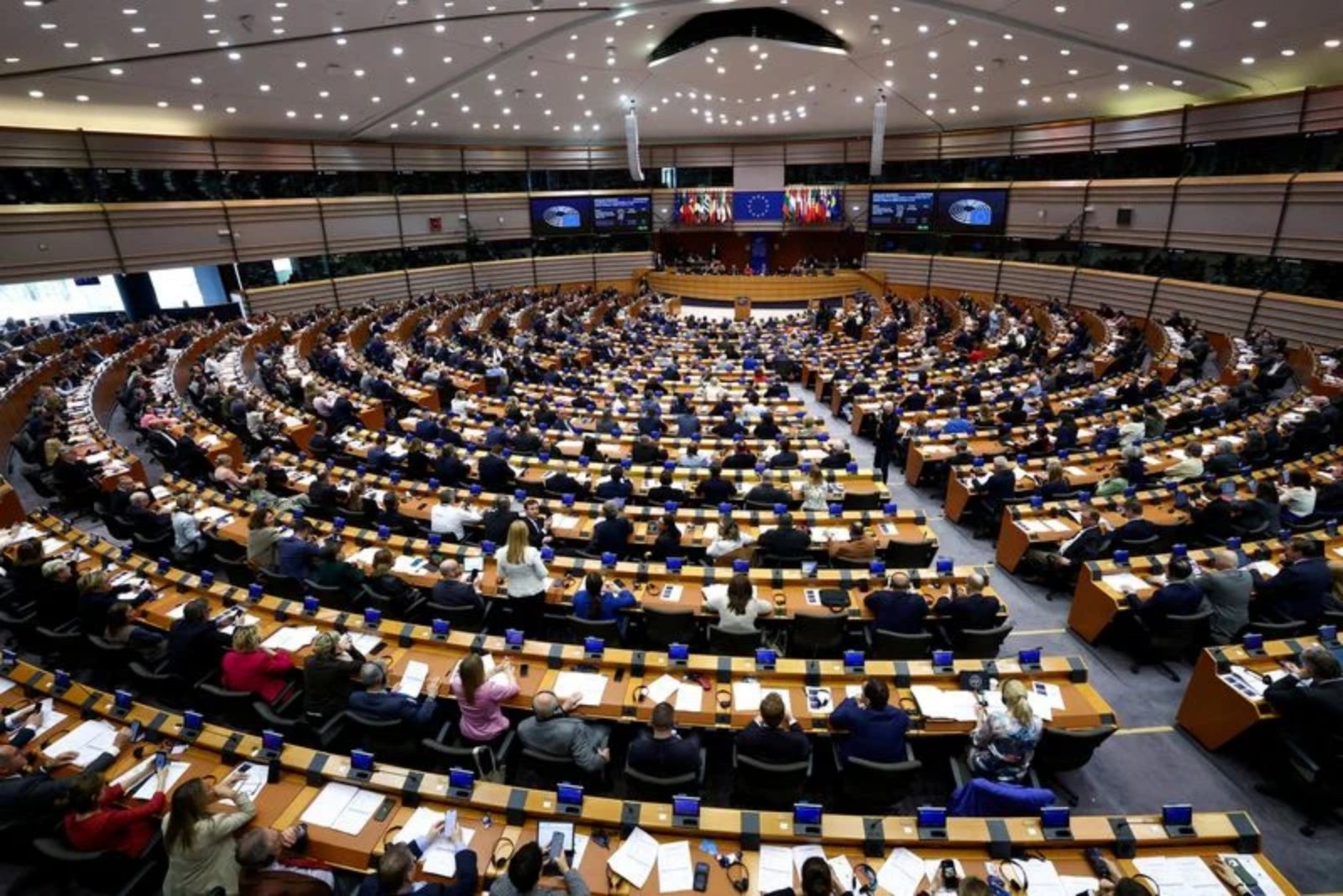
On June 3, the European Parliament announced it will replace Google with French search engine Qwant as the default search provider on the Parliament's Microsoft Edge and Mozilla Firefox browsers, effective 4 June 2026.
"From 4 June 2026, Qwant will become the default search engine on the European Parliament’s Microsoft Edge and Mozilla Firefox browsers," a Parliament spokesperson said in an email. The spokesperson added that the change will be implemented automatically for users but that individuals will still be able to select alternative search engines if they prefer.
The spokesperson framed the switch as one element within a broader set of measures designed to reduce the European Parliament's dependence on non-EU digital tools and to encourage adoption of European-based, privacy-focused services. "It is part of a larger framework of actions aimed at reducing EP reliance on non-EU digital tools and promoting European-based, privacy-focused services," the spokesperson said.
The Parliament comprises 720 lawmakers together with thousands of parliamentary assistants and administrative staff; the scope of the automatic change covers devices and browser configurations managed at the parliamentary level. Euractiv first reported the planned move.
Separately, the European Commission is scheduled to announce measures later on the same day addressing semiconductor chips, cloud computing services and artificial intelligence, as components of a "Buy and Use European" drive, according to the Parliament's account of unfolding policy steps.
The Parliament's action is presented internally as a procurement and configuration decision affecting default search settings on two widely used browsers. The measure retains user choice by keeping alternative search engines available, while signaling a preference for European suppliers in official digital toolchains.
Context and implementation details provided by the Parliament:
- Effective date: 4 June 2026 for Microsoft Edge and Mozilla Firefox defaults.
- Application: change applied automatically to the Parliament's configured browsers; users may select different search engines.
- Policy framing: part of an effort to reduce reliance on non-EU digital tools and to promote privacy-focused, European-based services.
- Institutional scale: action affects 720 lawmakers and thousands of assistants and staff.