
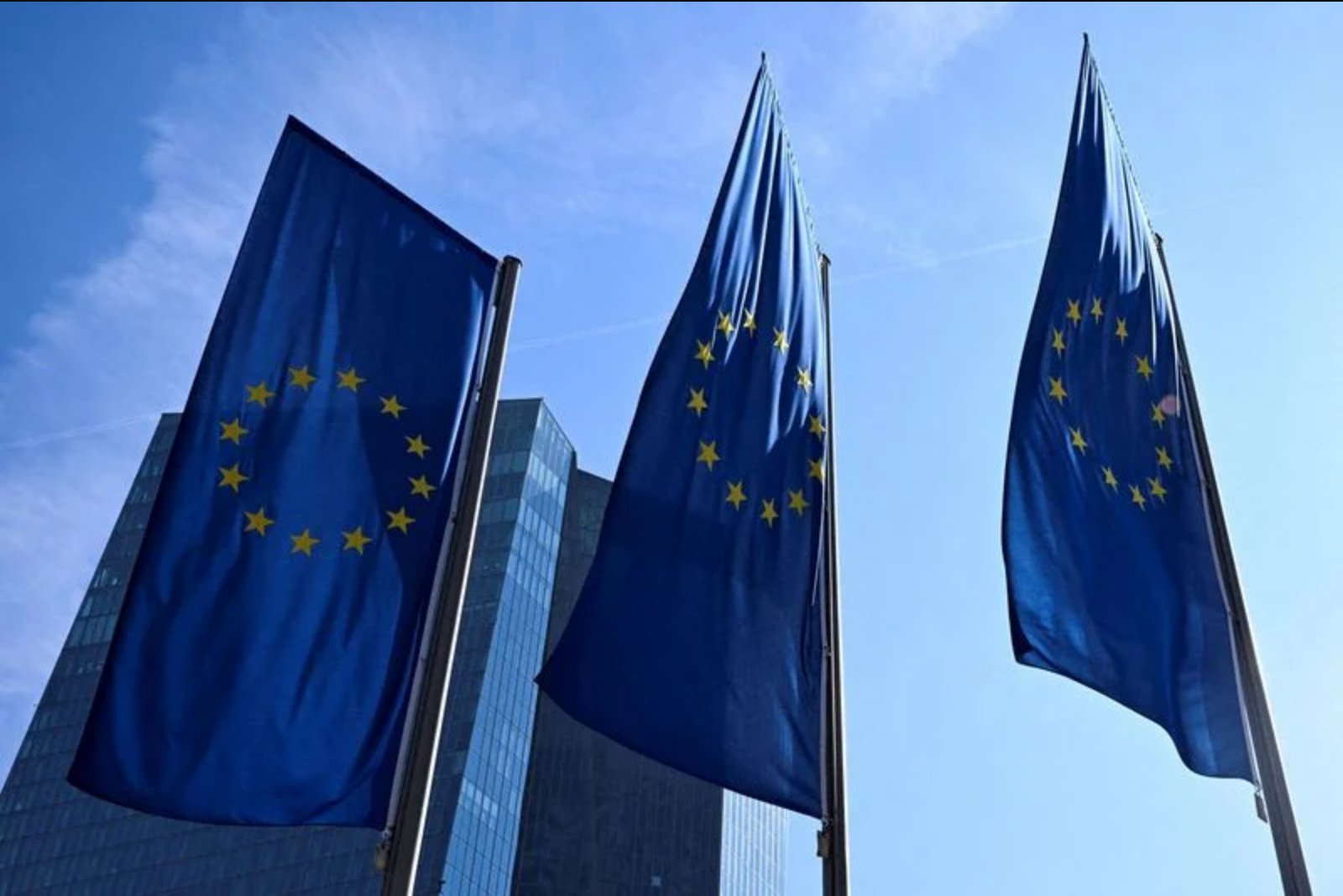
BRUSSELS, June 1 - Thirteen European cloud providers on Monday joined forces with a group of Members of the European Parliament from the Greens and six civil society organisations to endorse a European Commission initiative intended to lower the region's dependence on U.S. technology.
The Commission is due to set out measures on Wednesday focused on ensuring that, for sensitive public tenders, cloud streaming services are supplied by European firms rather than U.S. competitors. The package also includes steps intended to increase the production of chips manufactured in Europe.
Those backing the Commission's push said the effort is motivated in part by geopolitical strains with the United States and China and by a broader ambition to close the technological gap with both rivals in key areas. In a joint open letter seen by Reuters, the signatories defined the aim in terms of capabilities and choice.
"Technological sovereignty means that Europe has the capacity to freely design, understand, choose from different home-grown sources, build, operate and effectively regulate the digital systems on which its society and economy rely," the groups said in the letter.
The roster of signatories includes a range of European digital and privacy-focused firms: French cloud vendor OVHcloud, Germany's Nextcloud, social networks Mastodon and Monnett Social, Swiss privacy software company Proton, browser company Ecosia and Dutch quantum chip maker QuantWare. Lawmakers from the Greens group at the European Parliament and six civil groups, including Defend Democracy and Save Social, also lent their names.
One of the lawmakers involved articulated the campaign succinctly. "Our message is simple: Build European, buy European, protect European," said lawmaker Alexandra Geese.
The public statement from the combined group frames the Commission's measures as an effort to shift procurement preferences and industrial focus toward European suppliers for both cloud services and semiconductor manufacturing. The signatories argue that doing so would allow Europe to retain the ability to design, operate and regulate the digital infrastructure supporting public services and economic activity.
Details of the Commission measures were not elaborated in the letter. The groups' message centers on preserving choice among home-grown technology providers and increasing the supply of chips produced within Europe, without specifying implementation mechanisms in the public letter.
Impacted sectors: cloud computing and cloud infrastructure providers, semiconductor manufacturing, public procurement for digital services, privacy and browser software firms.