
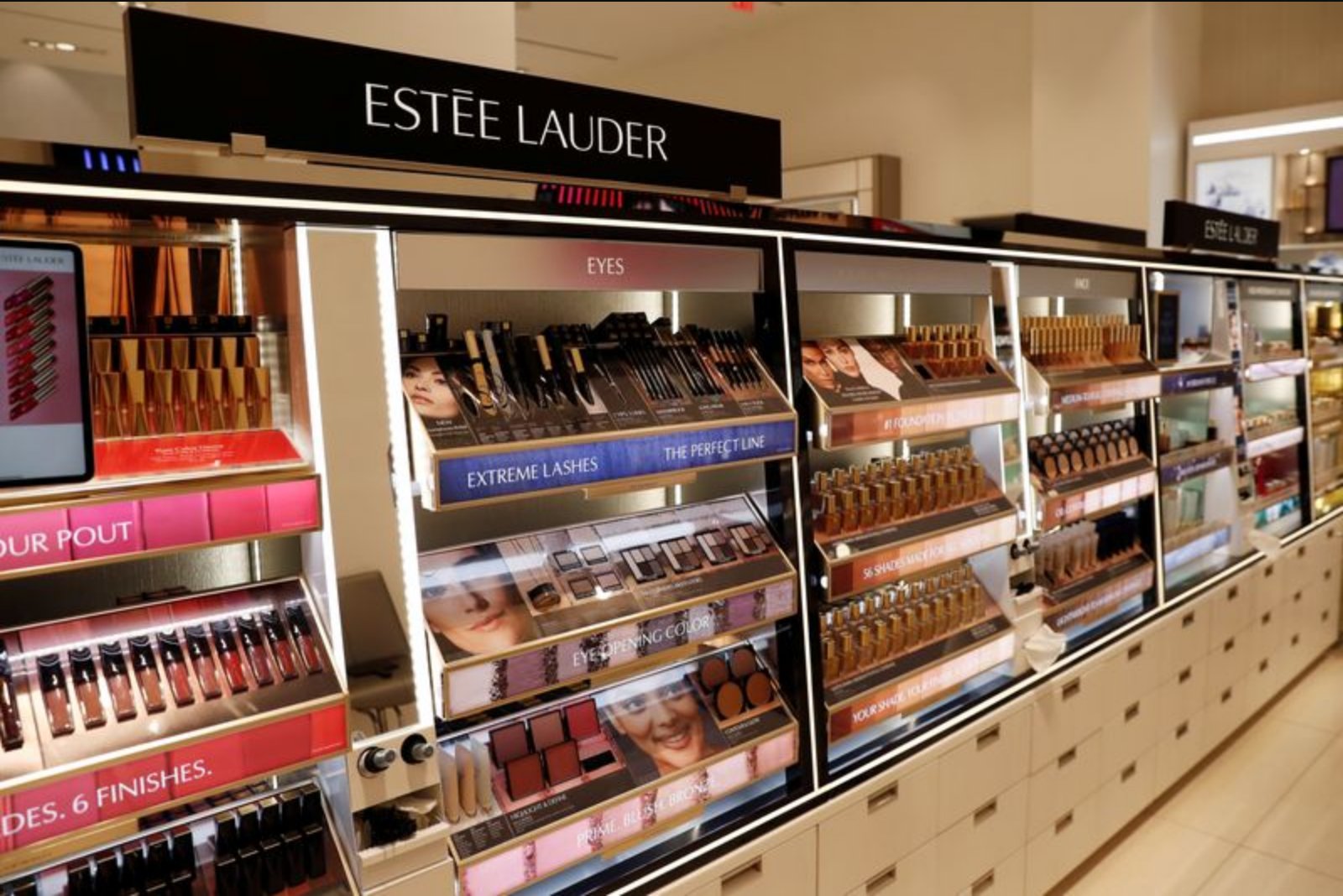
May 21 - Estee Lauder and Puig said on Thursday they have terminated talks about a potential merger, effectively ending the proposal to form what would have been the world’s largest premium beauty company aimed at competing with L'Oreal.
The conversations between the two firms were first disclosed in March, when the companies confirmed they were exploring a deal that would have combined a range of brands. The brands named in earlier disclosures included Tom Ford, Carolina Herrera, Rabanne, Jean Paul Gaultier and Clinique.
Estee Lauder’s chief executive had said as recently as last week that discussions with Puig over a possible combination were ongoing. Had the transaction gone ahead, it would have provided Estee Lauder with access to Puig’s well-regarded perfume brands and to Puig’s direct-to-consumer sales channels. The proposed deal also would have reduced the U.S. group’s dependence on its challenged domestic market and on China.
Puig derives more than 70% of its revenues from fragrances, a concentration that was a notable element of the conversations around a potential tie-up. The termination of talks removes a path that would have significantly expanded Estee Lauder’s exposure to branded perfumes and DTC capabilities through a single transaction.
Separately, some investment services have highlighted the question of whether Estee Lauder is a buy at current levels. One AI-based investment tool mentioned in prior commentary evaluates Estee Lauder among thousands of companies each month using more than 100 financial metrics and highlights representative past winners, while saying it looks at fundamentals, momentum and valuation without bias. That commentary cited notable past winners including Super Micro Computer, listed with a +185% return, and AppLovin, listed with a +157% return.
With formal discussions now ended, both companies have stepped away from a merger path that would have united multiple high-profile fashion and beauty brands and reshaped the premium beauty landscape. No additional details on next steps were provided in the companies' statements.
What happened - Two companies have confirmed they have ceased talks over a potential merger that would have combined several prominent fragrance and cosmetics brands.
What was proposed - The contemplated tie-up, first disclosed in March, would have brought brands including Tom Ford, Carolina Herrera, Rabanne, Jean Paul Gaultier and Clinique together and would have given Estee Lauder access to Puig’s perfume brands and direct-to-consumer channels.
Why it mattered - Puig generates over 70% of its revenue from fragrances, and the deal would have reduced Estee Lauder’s reliance on its pressured home market and on China.