
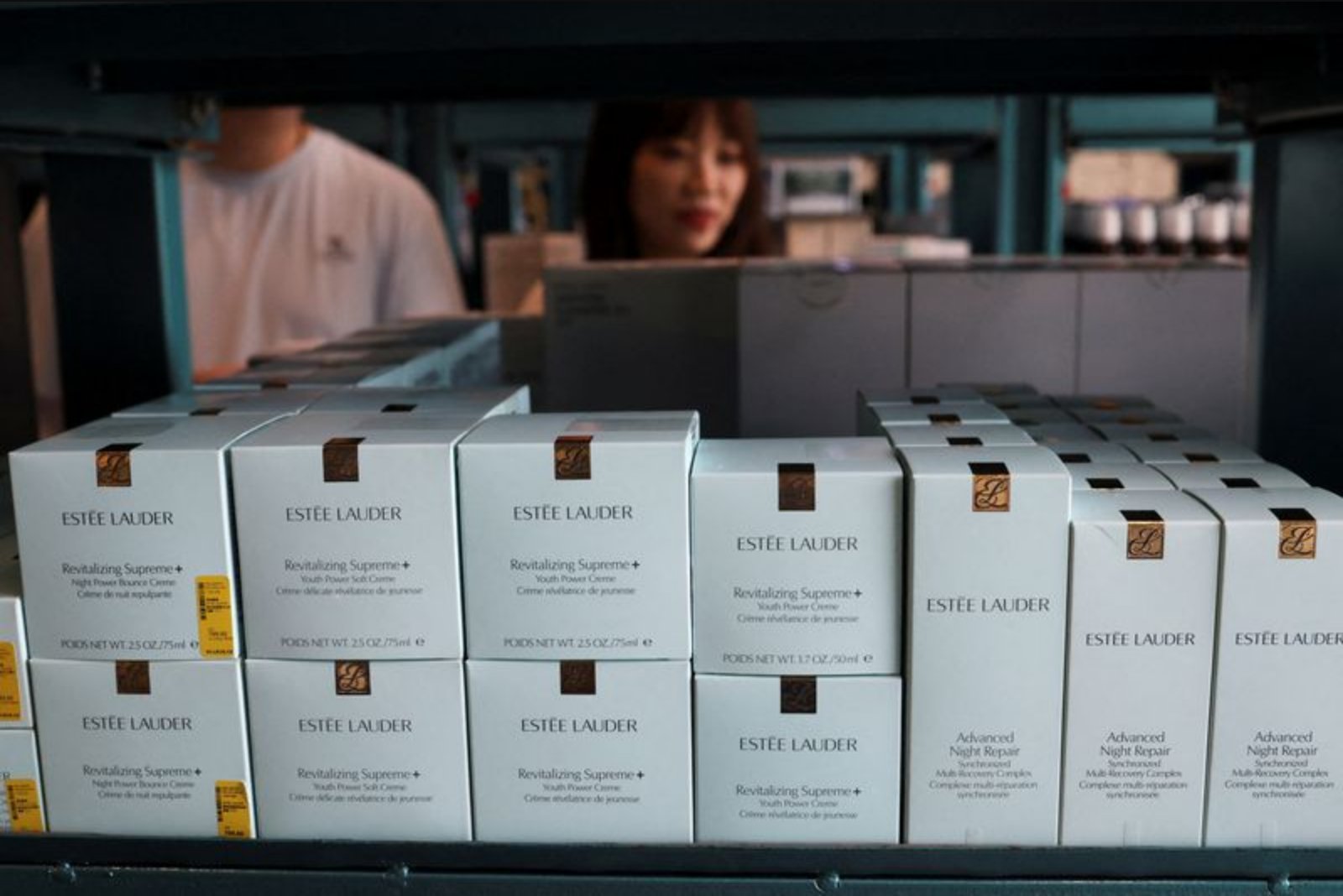
Estée Lauder has ended merger discussions with Spanish fragrance company Puig, a decision that market analysts and some investors view as prudent. The collapse of talks leaves the U.S. cosmetics group with greater flexibility to pursue acquisitions that fit more closely with its strategic priorities and ongoing restructuring efforts.
Supporters of the move noted that a combined Estée Lauder-Puig entity would have created a larger premium beauty player able to challenge the industry's largest company, L'Oréal, but several concerns weighed on investors and executives. Market participants expressed worry that a major deal would divert management attention from the months-long turnaround program and could materially extend leverage - the company reported net debt running at roughly five times EBITDA.
Estée Lauder's stock reaction was immediate: shares jumped 10% on Friday following the announcement that discussions had ended. Investor opposition to the transaction was among the issues that complicated negotiations, though the primary cause of the breakdown was reported to be differences between the powerful controlling families on both sides and specific demands from third parties, including the cosmetics entrepreneur behind Charlotte Tilbury. Charlotte Tilbury is a brand with strong traction among TikTok influencers and affluent millennial consumers, and Puig owns a stake in it.
Estée Lauder, owner of brands including Clinique and M.A.C, has consistently framed acquisitions as a tool to reshape its portfolio - to address gaps across geographies, product categories and pricing tiers. That strategic posture remains, but Chief Executive Stéphane de La Faverie has made clear that the current priority under the company’s "Beauty Reimagined" restructuring plan is to restore organic growth first; any acquisition would need to align tightly with the newly retooled business.
"Although it has walked away from Puig, we think Estée could look to acquire smaller, niche operators to enhance its category or geographic standing," Morningstar analyst Erin Lash said in a research note. Lash added that while a deal with Puig would have bolstered Estée's footprint in fragrance, she and her team were skeptical given the potential scale of the transaction and the risk of distracting management amid the active turnaround.
Operational changes accompany Estée Lauder’s strategic repositioning. Management has been expanding the product portfolio across channels and regions, simplifying elements of the supply chain, increasing marketing investment and accelerating launches of premium products to capture resilient demand from higher-income consumers. As part of cost-reduction measures tied to the restructuring, the company said earlier this month it would cut up to 3,000 additional jobs worldwide, bringing the total expected headcount reductions to as many as 10,000, and targeting up to $1.2 billion in annualized savings.
At the same time, Estée Lauder has continued to pursue smaller, targeted investments. In April, the company purchased a minority stake in London-based luxury skincare brand 111SKIN. In March, Estée completed a full acquisition of India's prestige skincare brand Forest Essentials - a move that followed an initial minority investment in 2008 and a subsequent increase to a 49% stake in 2020. Company executives say the Forest Essentials deal has nearly doubled Estée Lauder’s market share in India and is helping the group reach consumers it previously struggled to recruit.
"Adding Forest Essentials has helped almost double Estée’s market share in India and is helping us to tap into another consumer that we potentially couldn’t recruit," Nadine Graf, president of EMEA, UK, Ireland & Emerging Markets at Estée Lauder, said at a Morgan Stanley conference in Paris on Tuesday. Graf also noted the company is adapting acquired brands to local market preferences and intensifying promotional activity around peak shopping periods.
Estée Lauder also invested last November in a minority stake in Mexico-based fragrance brand Xinu, another example of focusing on regionally relevant players. Graf cautioned that Europe and the UK represent tougher markets for growth, as high-end beauty is already widely available there, limiting the potential for expansion within those geographies.
Analysts who had followed the Puig discussions agreed the decision to end talks removes a complicated and potentially distracting transaction. "Estée Lauder’s decision to call off discussions removed a complex transaction that, in our view, would have offered only modest strategic benefit and limited portfolio diversification," Jefferies analyst Sydney Wagner wrote in a note. Wagner said that with the merger no longer on the table, Estée’s most attractive uses of capital appear to be acquisitions positioned further down the price ladder - mass and so-called masstige brands - particularly in color cosmetics and skincare.
With a substantial reorganization under way, a series of selective minority investments and a renewed emphasis on restoring organic growth, Estée Lauder appears set to prioritize deals that are smaller in scale and more closely integrated with local-market strategies. The company’s recent actions - buying full ownership of Forest Essentials, taking stakes in 111SKIN and Xinu, and pursuing significant cost savings - signal a preference for acquisitions that can be assimilated quickly and that support near-term financial and operational objectives.
Corporate and market impact
- The outcome affects the consumer discretionary sector, particularly the beauty and personal-care segments, by reshaping potential consolidation patterns among premium brands.
- M&A activity in the cosmetics industry may tilt toward smaller, regionally focused deals and brands positioned at lower price points, influencing competition in color and skincare categories.
- Investors and creditors will closely monitor leverage and cash deployment as Estée balances restructuring costs with targeted acquisition opportunities.