
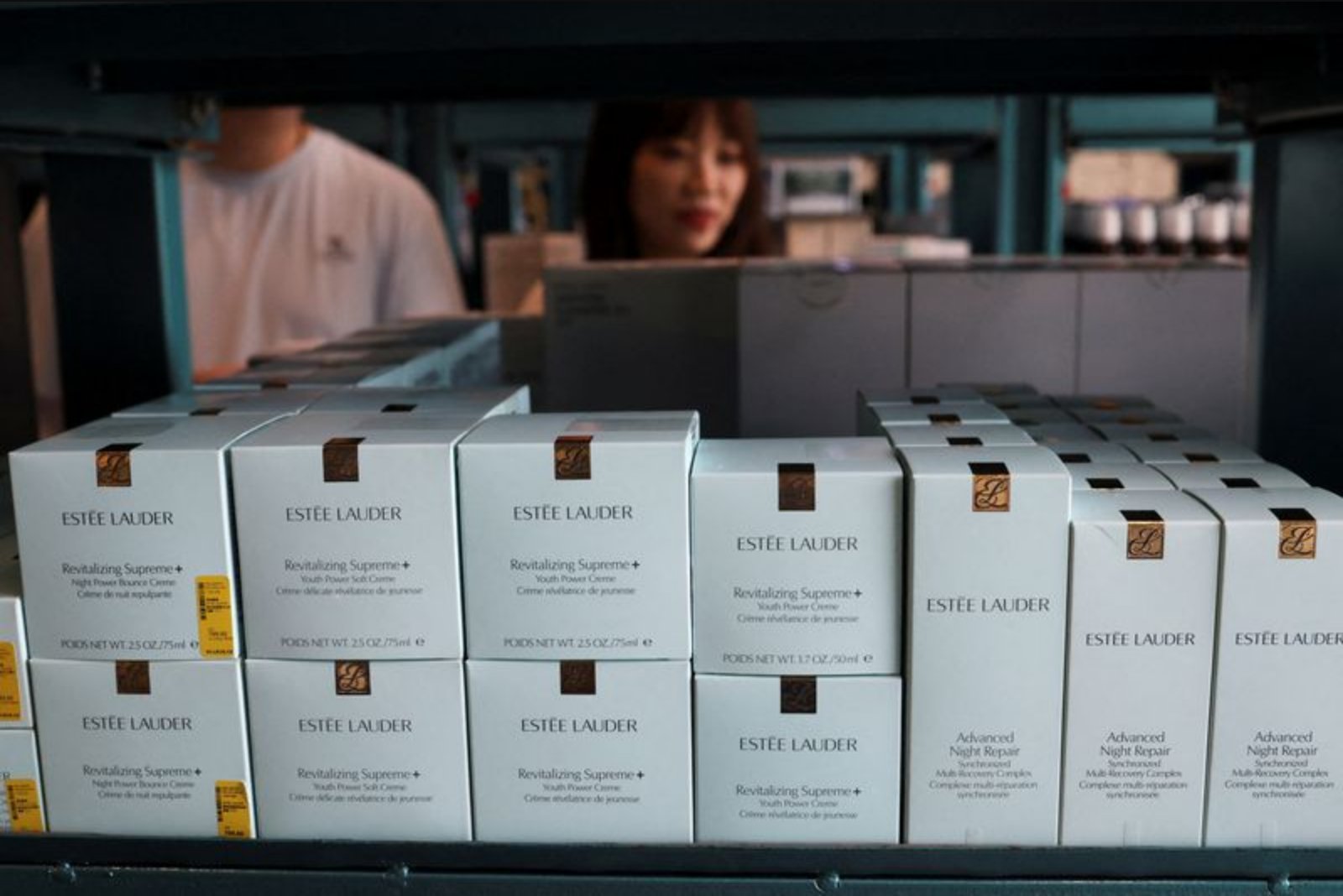
Estée Lauder's talks with Puig have ended, a development that market participants and analysts characterized as prudent given investor concerns and internal disagreements that stalled the proposed deal. The U.S. cosmetics group said the potential transaction is no longer under consideration after negotiations broke down amid tensions between the firms' controlling families and demands from third parties, including Charlotte Tilbury.
Investors had been uneasy about a large-scale merger, worrying it could derail management's ongoing turnaround and stretch the company's finances. Estée Lauder's net debt stood at roughly five times EBITDA, a level that many shareholders worried would leave little room for integration risks or further balance-sheet strain. Shares of Estée Lauder jumped about 10% on Friday following the announcement.
Management had presented deals as a tool to reshape the firm's portfolio - addressing geographic gaps, product categories and price tiers - but CEO Stéphane de La Faverie has emphasized that the priority under the company's 'Beauty Reimagined' restructuring is to restore organic growth first. He has said any acquisition must align closely with the refocused business.
Industry analysts noted that exiting the Puig talks preserves capital and managerial bandwidth. "Although it has walked away from Puig, we think Estée could look to acquire smaller, niche operators to enhance its category or geographic standing," Morningstar analyst Erin Lash wrote in a note. Lash added that while a deal with Puig would have strengthened Estée's footprint in fragrance, she was skeptical of the potential merger because of its size and the distraction it could create during the company's turnaround.
Jefferies analyst Sydney Wagner echoed this perspective, describing the aborted discussions as removing "a complex transaction that, in our view, would have offered only modest strategic benefit and limited portfolio diversification." Wagner suggested that, in the absence of the large deal, the most compelling uses of capital may be assets positioned down the price ladder - mass and masstige offerings, particularly in color and skin categories.
The Puig talks also encountered opposition from parts of Estée Lauder's investor base. That investor pushback was among the factors that hindered negotiations, though reports said the principal obstacle to a deal was disagreement among the influential families that control Puig and demands from brands tied to Puig, including requests linked to Charlotte Tilbury - a make-up brand popular with younger and affluent consumers on social media platforms.
Estée Lauder, which owns brands such as Clinique, M.A.C and Jo Malone, has been pursuing both organic and inorganic moves as part of its broader strategy. In recent weeks the firm completed a full acquisition of India-based prestige brand Forest Essentials - increasing a previous minority holding to full ownership. That transaction follows minority investments earlier this year in London-based luxury skincare label 111SKIN and, in November, in Mexico-based fragrance brand Xinu. Estée had first taken a minority stake in Forest Essentials in 2008 and raised its holding to 49% in 2020 before the recent buyout.
Company executives argue these targeted transactions help fill local-market gaps and recruit consumers who may be harder to access with existing brands. Nadine Graf, president of EMEA, UK, Ireland & Emerging Markets at Estée Lauder, said the Forest Essentials acquisition has nearly doubled the company's market share in India and is helping the firm reach another consumer segment. She added that the company is adapting the brand to local markets and investing more heavily during peak shopping periods, noting that Europe and the UK remain tougher markets for high-end beauty where growth is constrained by wide availability of premium offerings.
On the cost side, Estée Lauder is pushing through efficiency measures as part of its turnaround. Earlier this month the company said it would cut up to 3,000 additional jobs globally, bringing the total expected reduction to as many as 10,000 positions, with an objective of saving up to $1.2 billion in annual costs. The company has also been streamlining its supply chain, expanding product lines across channels and geographies, boosting marketing, and accelerating premium product launches to capture resilient demand from higher-income consumers.
Analysts and investors will be watching how Estée balances its capital allocation between completing its internal turnaround and pursuing further deals. With the Puig negotiations concluded, the company appears positioned to continue acquiring smaller, strategically aligned brands and minority stakes that complement its existing portfolio and regional priorities.
What this means
The collapse of the Puig discussions removes a large, complex acquisition that many investors believed would be distracting and potentially burdensome financially. It also clarifies that Estée's near-term M&A appetite will likely favor smaller, portfolio-complementary transactions while management focuses on restoring organic growth under the Beauty Reimagined plan.