
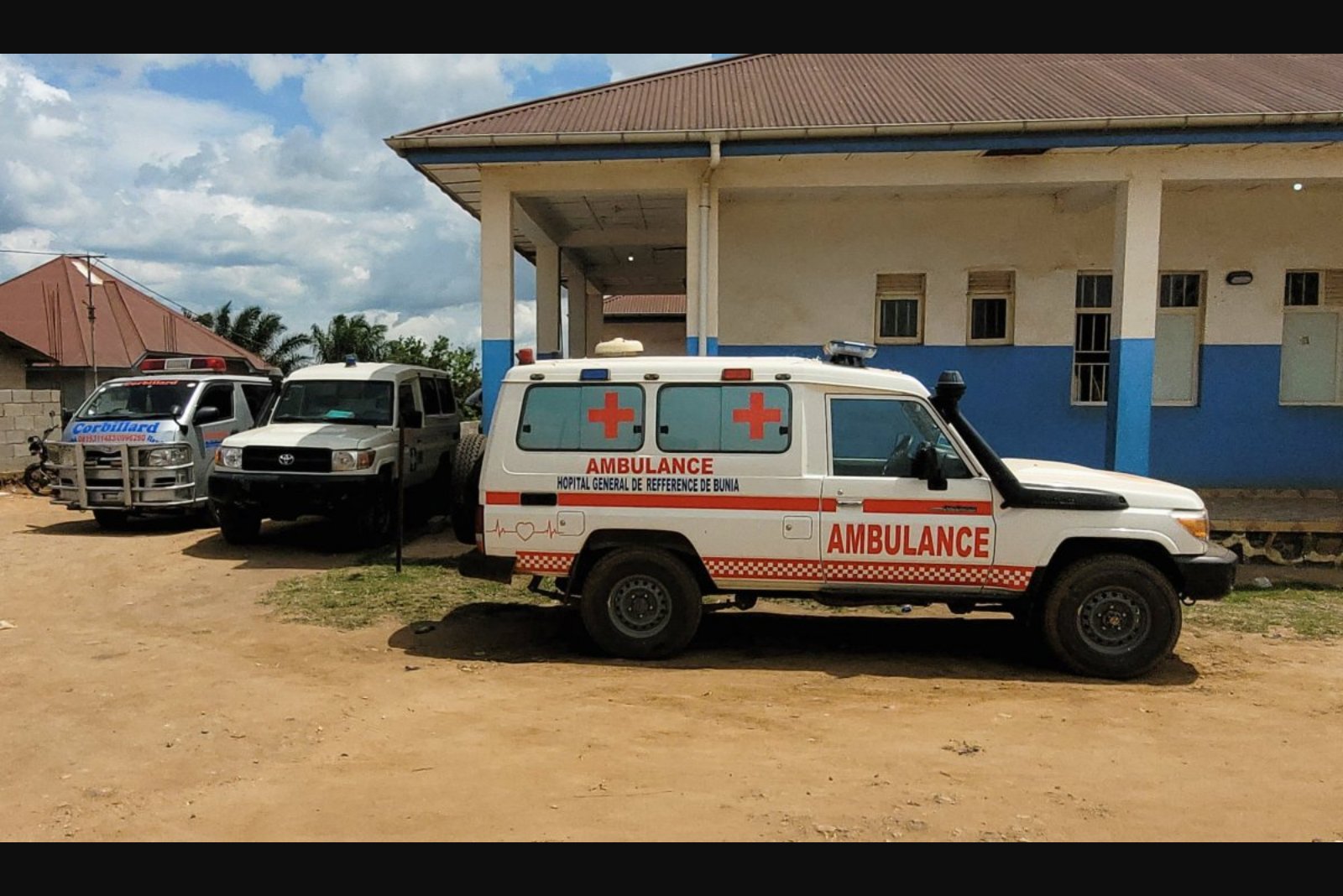
Health authorities in eastern Democratic Republic of Congo said on Tuesday that 26 more suspected Ebola deaths were recorded in the previous 24 hours, raising the outbreak-related fatality count to 131.
According to the daily bulletin issued by Congolese health officials, there have been 516 suspected cases and 33 confirmed cases reported inside the DRC. In neighbouring Uganda, authorities have confirmed two cases.
WHO declaration and immediate concerns
The World Health Organization elevated the event to a public health emergency of international concern, a designation announced by WHO Director-General Tedros Adhanom Ghebreyesus. The declaration marked the first time a WHO chief has taken that step before convening an emergency committee.
Tedros told the World Health Assembly in Geneva that he was "deeply concerned about the scale and speed of the epidemic," citing the appearance of cases in urban centres and infections among healthcare workers.
Experts have expressed alarm because the outbreak went undetected for several weeks while moving through a densely populated region that has been weakened by widespread armed violence.
Spread into cities and border responses
Butembo, a North Kivu city with a population in the hundreds of thousands, reported its first two confirmed cases on Monday, the head of the DRC National Institute for Biomedical Research said.
Ugandan officials announced restrictions on movement across the Ishasha-Kyeshero border crossing to limit further viral spillover. A local Ugandan government official said the border was not closed outright but did not provide details on who would be permitted to cross.
Further south, Reuters reporters observed Congolese nationals attempting to enter Rwanda from the cities of Goma and Bukavu being stopped at the border. Rwandan officials were not immediately available for comment. The WHO on Saturday urged countries not to close their borders, warning that such measures could prompt informal crossings that would go unmonitored.
International aid, supplies and evacuations
The WHO’s representative in the DRC, Anne Ancia, said six tonnes of supplies, including personal protective equipment, were scheduled to arrive in the DRC on Tuesday. Those shipments add to 12 tonnes that had already been delivered.
The U.S. Centers for Disease Control and Prevention reported that one American tested positive for Ebola while working in Congo. The individual was identified by their Christian mission organisation as Dr Peter Stafford. The CDC said that Dr Stafford and six other Americans who had been exposed were being moved to Germany for treatment and monitoring.
To reduce the risk of importation, the CDC announced a 30-day suspension of entry to the United States for travellers who had been in the DRC, Uganda or South Sudan in the previous 21 days, with certain exceptions.
Treatment and vaccine efforts
Health authorities note that, unlike the more common Zaire strain, there is no approved strain-specific therapeutic or vaccine for the Bundibugyo strain currently in circulation. The U.S. said it had mobilised an initial $13 million to respond to the outbreak and that it is working to develop a monoclonal antibody therapy as a potential treatment.
A WHO-led panel of experts was scheduled to meet to consider whether any existing vaccine options could be used. The WHO’s Ancia said Merck & Co’s Ervebo is one potential candidate, but she added it would take two months to make that vaccine available.
Operational constraints and funding concerns
Ancia described reductions in global health funding as having a "tremendous impact" on the WHO’s capacity to respond. She said the organisation had been working "very well" with the U.S. government on the current outbreak, even though the United States formally left the WHO in January in a move described by the then U.S. president as a response to perceived poor management of the COVID-19 pandemic.
Under that administration, the U.S. has reduced global health funding, and Ancia noted that other major donors have also made cuts. She linked those funding reductions to constraints on the WHO’s ability to counter the current disease event.
Context and historical reference
Health officials and experts referenced the 2018-2020 Ebola outbreak in eastern DRC, which was the second deadliest on record and resulted in nearly 2,300 deaths. In the current event, authorities emphasise the particular challenge posed by the Bundibugyo strain and the combination of urban transmission and conflict-related disruptions to surveillance and care.
As the situation evolves, authorities are prioritising the delivery of protective equipment and medical supplies, the movement and monitoring of exposed personnel, and rapid assessments by expert panels to determine potential treatment and vaccine strategies.
Public health agencies and neighbouring governments continue to adjust movement and monitoring policies at border crossings while urging care to avoid informal, unmonitored crossings that could accelerate spread.