
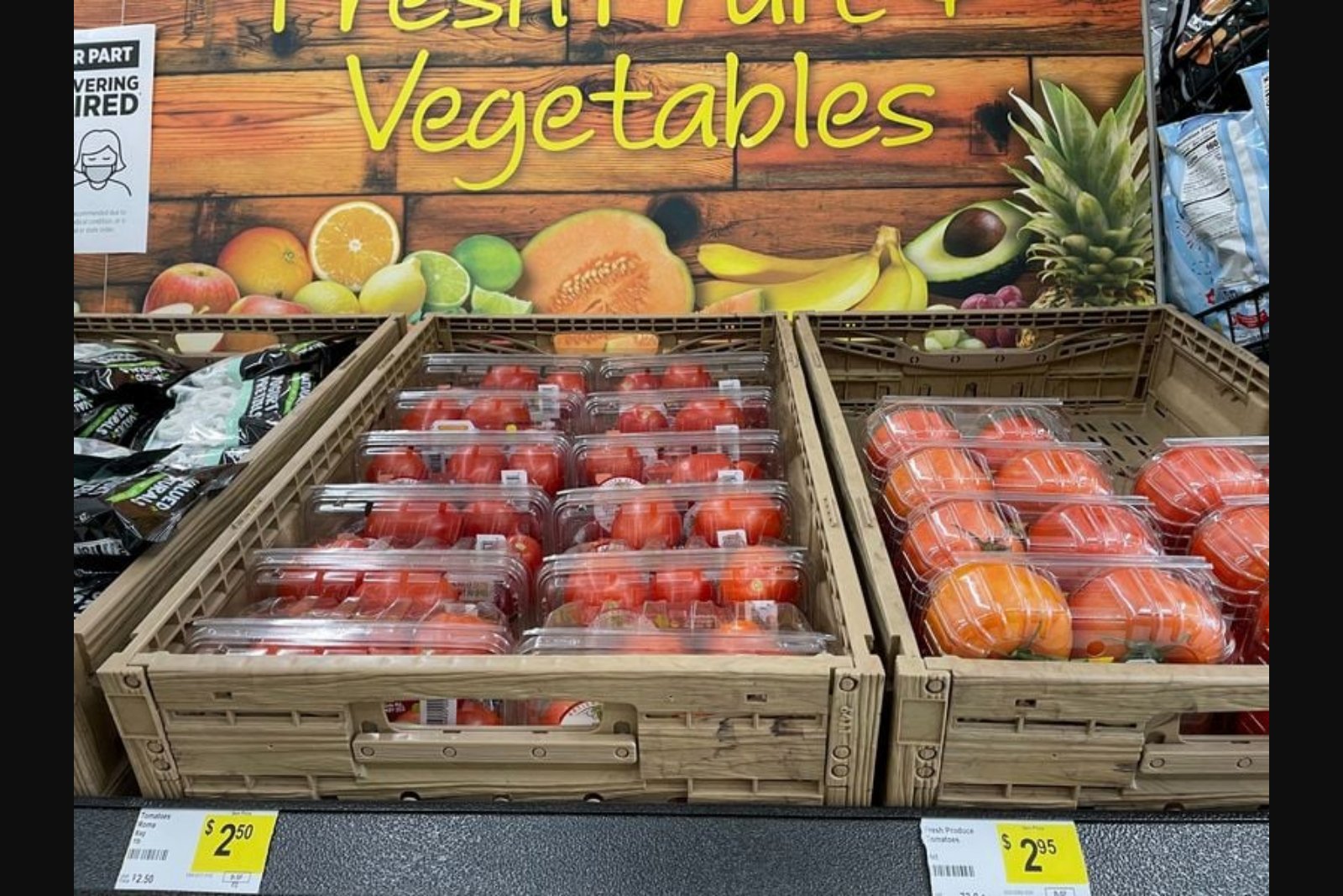
Discount retailer Dollar General on Tuesday raised its full-year profit projection, signaling continued consumer appetite for lower-priced everyday items amid lingering economic uncertainty. The company said its higher outlook reflects resilient demand for discount goods, and its shares rose about 3% in premarket trading.
Updated outlook
For fiscal 2026, Dollar General now projects earnings per share in a range of $7.20 to $7.45, up from its prior guidance of $7.10 to $7.35. The firm also maintained its view for annual same-store sales growth between 2.2% and 2.7%. Management noted that the updated forecast does not account for any possible effects from tariff refund payments.
Demand drivers and budget pressures
The company attributed the resilience in sales to shoppers seeking affordable essentials as economic conditions remain uncertain. The release highlighted several forces putting pressure on household budgets, including rising gasoline prices that the company associated with the Iran war, ongoing U.S. import tariffs, and labor market uncertainty tied to developments in AI. Those strains on consumers appear to be supporting traffic and sales at dollar-store formats.
Competitive backdrop
Dollar General is not the only discount operator to revise forecasts upward. The company's main rival, Dollar Tree, had raised its profit outlook the prior week, pointing to similar consumer behavior across the low-price retail segment.
What the update means
The combination of a higher EPS range and steady same-store sales expectations suggests Dollar General sees its core proposition - lower-priced essentials - continuing to attract customers even as pockets of cost pressure persist for consumers. The firm’s explicit omission of potential tariff refund payments from its guidance also leaves an identifiable variable that could influence future results should such refunds materialize.
Bottom line - Dollar General’s modest upward revision to its fiscal 2026 EPS outlook and its maintained same-store-sales growth range reflect persistent consumer demand for discount goods amid several cost pressures on households, while the company leaves certain contingent items, including tariff refunds, outside its forecast.