
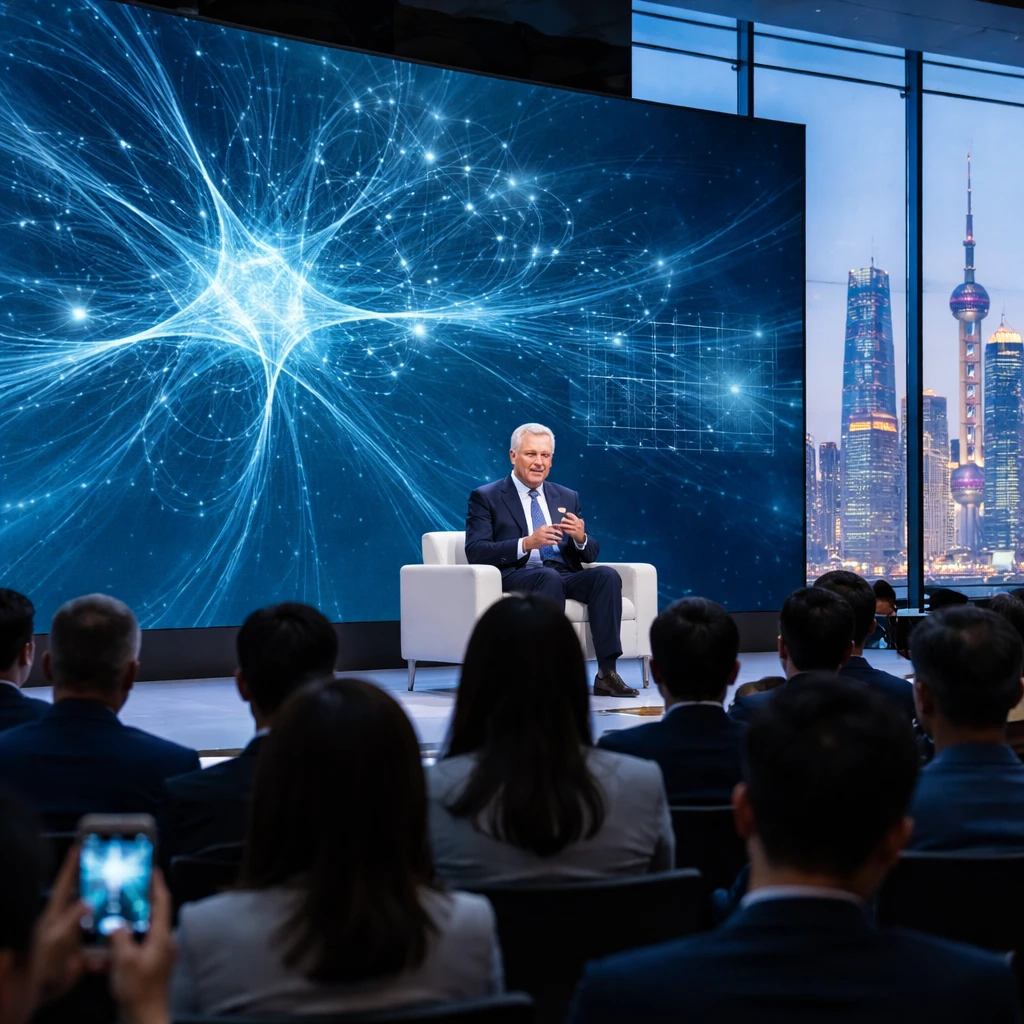
JPMorgan Chase & Co Chief Executive Officer Jamie Dimon said in a Bloomberg Television interview at the bank's China Summit in Shanghai on Thursday that the company will probably shift hiring toward artificial intelligence specialists and away from certain traditional banking roles as technology use increases.
Speaking to Bloomberg TV, Dimon was explicit about the likely personnel changes: "I think it will reduce our jobs down the road," he said. He added: "There will be all different types of jobs, and I think we will be hiring more AI people and fewer bankers in certain categories, and it will make them more productive."
Dimon framed the transition as one that could shrink some categories of roles while enhancing output among employees who remain, saying the technology will raise productivity for staff who continue in their positions.
His remarks arrived shortly after announcements by large European lenders. Dimon’s comments come just days after major European banks HSBC and Standard Chartered outlined plans to slash their workforces in favor of more AI automation and streamlining.
The conversation around automation is part of a broader industry narrative that positions AI as a tool to reduce labor costs and decrease reliance on white-collar staff, a trend the interview linked to the arrival of agentic AI. Dimon noted the bank's long-running engagement with the technology, saying in late-2025 that JPMorgan had been investing in AI since at least 2012 and now spends about $2 billion a year on the technology.
Context and implications
The CEO’s comments underscore a planned reallocation of human capital toward technical specialties, with an explicit expectation of fewer roles in certain banking categories and more hires focused on AI capabilities. At the same time, Dimon emphasized that remaining employees should see gains in productivity as the bank integrates more technology into its operations.
The interview did not specify which exact roles would be reduced or provide a timetable for the changes beyond the general observation that jobs may decline over time. The remarks also did not detail how hires would be structured across business units or the specific functions AI specialists would occupy.