
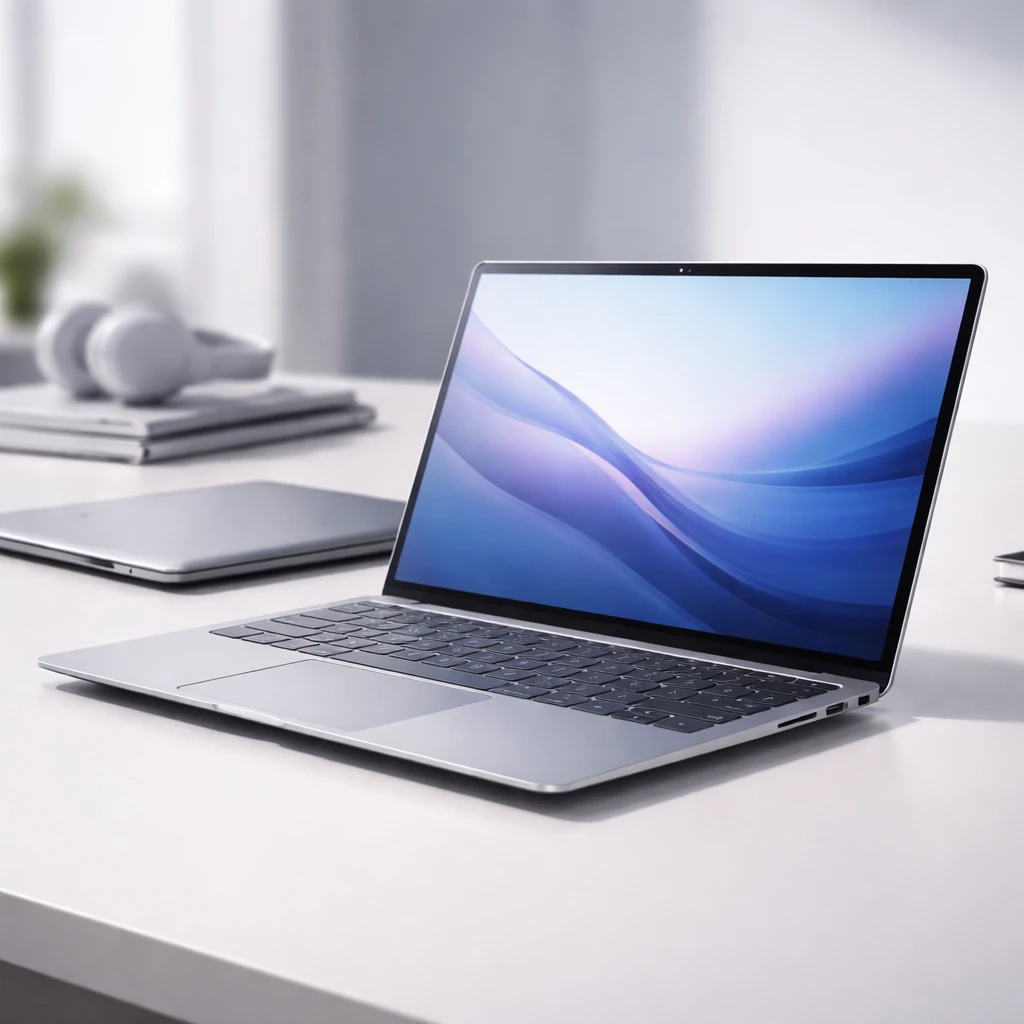
Dell unveiled its new low-cost entry to the XPS line on Sunday, positioning the refreshed XPS 13 as the company’s most affordable model to date. The base configuration carries a $699 price tag, and Dell is offering a limited back-to-school promotional price of $599 for students aged 16 and older.
The company characterized the XPS 13 as its thinnest and lightest model. Dell stated the laptop weighs about half a pound less than Apple’s MacBook Neo and includes a larger display, emphasizing a slim, lightweight footprint at a lower price point.
Analysts and industry observers noted that Dell’s pricing and design choices reflect a response to shifting consumer sensitivity around price. The company cited broader industry pressures - including rising memory chip costs and tighter supplies - as context for moving into a lower price bracket while still pursuing design improvements.
Apple introduced the MacBook Neo line in March with a starting price of $599. According to the information provided, the MacBook Neo became an unexpected success among students and young professionals and contributed to stronger-than-expected results for Apple in its fiscal second quarter.
Dell’s announcement signals a more aggressive push into the price-sensitive portion of the laptop market. The combination of a student discount, a lighter chassis and a larger screen is presented as the company’s strategy to win consumers who responded positively to Apple’s lower-cost offering earlier in the year.
Context and market implications
- Price competition: Dell’s $699 starting price, with a $599 student promotional rate, directly targets the lower-cost segment that Apple tapped with the MacBook Neo.
- Design focus: Dell highlights reductions in weight and an increase in display size as product differentiators.
- Supply-side pressures: Rising memory chip costs and constrained supplies are cited as industry challenges framing Dell’s pricing and positioning decisions.