
Deere & Company reported a drop in second-quarter net income on Thursday, with weaker demand for its larger farming machines cited as a primary factor. For the quarter ended May 3, the company recorded net income of $1.77 billion, or $6.55 per share, down from $1.8 billion, or $6.64 per share, in the same period a year earlier.
Quarterly revenue rose to $13.37 billion, a 5% increase from the prior year. Deere attributed the top-line growth to stronger demand in its Small Agriculture and Construction segments, which offset softness elsewhere in the business.
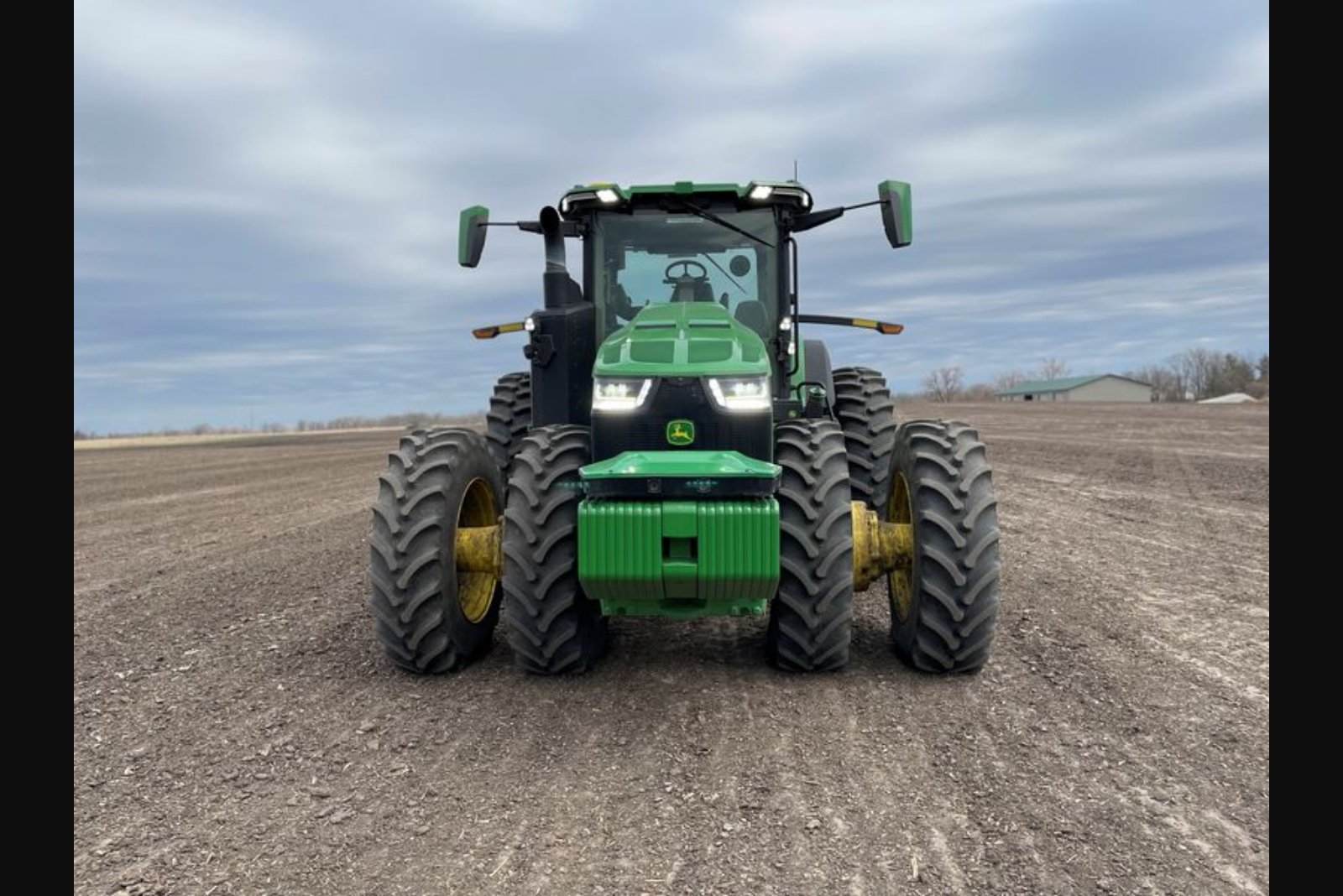
However, sales in the company’s largest division, Production & Precision Agriculture, fell 14% as orders for heavy equipment such as combine harvesters remained subdued. Tractor manufacturers including Deere have been experiencing muted demand for new machinery over recent years, as farmers have extended the service life of existing equipment amid lower crop prices and higher operating costs.
Deere noted that U.S. net farm income - a broad indicator of farm-sector profitability - is expected to decline 0.7% in 2026, according to the U.S. Department of Agriculture. The company also highlighted that tariffs imposed on imports by U.S. President Donald Trump increased production costs for an industry that had relied on a global supply chain.
Market reaction to the earnings report was modestly positive in early trading, with Deere shares up 1.5% in premarket activity.
Summary of results and market impact:
- Net income decreased to $1.77 billion, or $6.55 per share, versus $1.8 billion, or $6.64 per share a year earlier.
- Quarterly revenue rose 5% to $13.37 billion, driven by Small Agriculture and Construction segments.
- Production & Precision Agriculture sales dropped 14% amid weak heavy-equipment demand.
- Tariffs on imports have raised production costs for the sector, per the company.
- U.S. net farm income is projected to fall 0.7% in 2026, according to the U.S. Department of Agriculture.
Deere’s results underscore persistent challenges in demand for large agricultural machinery, even as parts of the business show resilience. Investors and market participants will likely watch the company’s next updates for signals on whether the recovery in smaller equipment and construction sales can sustain overall growth.