
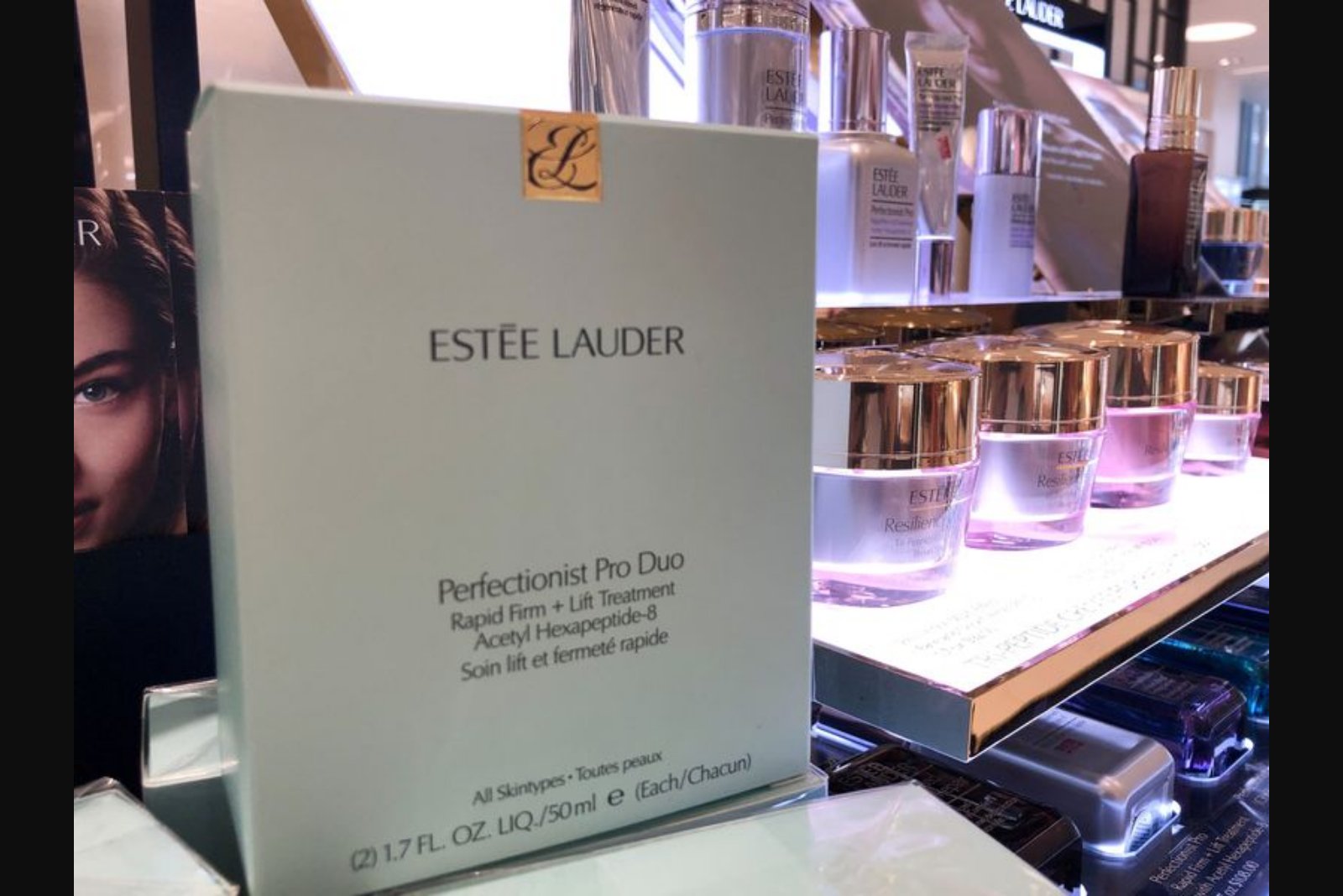
Discussions to merge Estée Lauder and Puig - a deal that would have created a luxury beauty company valued at roughly $40 billion - collapsed late on Thursday after a period of intense negotiations, according to five people directly familiar with the talks.
The proposed combination would have brought together well-known labels such as Tom Ford, Clinique and MAC on Estée Lauder’s side with Puig-owned names including Carolina Herrera and Charlotte Tilbury, the latter a brand particularly popular with TikTok influencers and affluent millennials.
Those five sources said the breakdown followed a string of setbacks: leaks from the process, substantive disagreements between the two powerful founding families, and specific demands tied to the terms of Charlotte Tilbury’s minority holding in her namesake business, which Puig does not fully own.
One of the people with direct knowledge of the talks described a late-evening call in Barcelona - morning in New York - during which Puig elder Marc Puig phoned Estée Lauder chairman William Lauder to gauge how discussions were deteriorating. Shortly after that exchange, advisers on both sides began sending messages to one another, said a second source. One message exchanged between advisers included a skull emoji that conveyed the deal was dead, according to that source.
Spokespeople for both Puig and Estée Lauder declined to comment, and the Charlotte Tilbury company also declined to comment, the sources said. The five people who spoke about the collapse did so on condition of anonymity because the negotiation process was confidential.
Sources said the immediate sticking point in the late-stage talks related to demands around Charlotte Tilbury’s minority stake - a question that became the latest obstacle after months of cross-border negotiation. That issue, they said, was among several unresolved items that ultimately derailed the transaction.
Three of the people involved in the negotiations said merger announcements had repeatedly seemed imminent at various points. Estée Lauder had assembled a team of advisers who, one source said, worked through the prior weekend on a valuation of Puig requested by Spain’s stock market regulator as part of the proposed deal.
The talks themselves began in late last year, according to one of the sources. They became public in March, triggering a market response that investors read as more favourable to Puig: Puig’s shares jumped while Estée Lauder’s shares initially fell. That market reaction reversed after the talks collapsed; Estée Lauder’s shares rose by about 10% on Friday while Puig’s fell roughly 13%.
Investor sentiment weighed on the process as well. Three sources said Estée Lauder shareholders’ opposition to the merger was a restraint on the talks. Those same sources added that Estée Lauder’s recent return to stronger earnings growth bolstered the company’s resolve to continue as an independent firm, which further complicated the merger calculus.
Negotiators had engaged in months of travel and meetings across multiple cities - including Paris, New York and Barcelona - and during that time they reached apparent agreement in principle on a range of governance issues for the combined company, two people said. Other strands of the talks explored a possible dual listing in New York and Madrid, keeping Barcelona as the headquarters for the combined fragrances business, and the mechanics of achieving synergies between the two companies, according to those sources.
Both founding families - Lauder and Puig - wanted to retain influence in any merged group, two sources said. That desire to maintain a role in the new governance structure was one of several dynamics negotiators had to reconcile.
Participants also struggled over how to structure certain assets that are important profit contributors for Puig but are not wholly owned by the group. Those assets include Charlotte Tilbury and sun care brand Isdin, two sources said, and the incomplete ownership stakes in those businesses posed a challenge for how to apportion value and control within any combined entity.
With those unresolved points, and pressures from market reaction and ownership demands, the late-stage discussions unraveled. The five people who described the sequence of events emphasized the confidential nature of the negotiations and declined to be identified.
Context note: The details above are drawn from five individuals with direct knowledge of the negotiations; company spokespeople declined to comment, and the companies named declined to provide statements.