
DAMMAM, Saudi Arabia - Iran’s release of a new map claiming authority over a broad swathe of water around the Strait of Hormuz is heightening an already severe humanitarian and logistical crisis for mariners stuck in the Gulf.
More than 20,000 sailors are currently confined to about 2,000 vessels in the Gulf, according to accounts from seafarers and representatives working with them. Many crew members are effectively unable to leave their ships, face inadequate supplies of food and fresh water, and are living with the persistent anxiety of operating in a war zone.
Those stranded have recounted their daily hardships and fears in interviews over recent weeks. A federation representing seafarers has warned that conditions are deteriorating. "The only thing we do here is plan how to spend the night and pray to God that we do not get hit during an attack," Indian sailor Salman Siddiqui said by phone from his stranded ship last month.
Life on board: isolation and scarcity
When a resupply vessel travelled to ships anchored off the Saudi coast this week, sailors on one tanker gathered along the handrail to wave - a brief human contact amid long stretches of isolation. For nearly three months, seafarers moored in the Gulf have lived in a confined routine: small groups moving within cramped living quarters, shared dining areas, and the open, heat-soaked decks. Contact with the outside world is intermittent and often limited to brief internet connections.
Tehran ordered the closure of the strait - a critical global oil transit route - after U.S.-Israeli strikes on Iran began on February 28. That action trapped thousands of ships in the Gulf and led to what industry and union sources describe as an effective blockade, as efforts to reach a diplomatic settlement have stalled.
The Persian Gulf Strait Authority, an entity Iran has established to manage passage requests, published a map reaffirming Tehran’s claims to an extended area on both sides of the choke point. Ship owners seeking to remove vessels and cargoes from the Gulf now confront a complex system of payments and permissions established by Iran, complicating plans to move ships to safer waters.
Workers’ rights, pay and access to basics under pressure
Mohamed Arrachedi, network coordinator for the Arab World and Iran at the International Transport Workers’ Federation (ITF), described how the war has increased seafarers’ vulnerability. "Seafarers’ vulnerability and exposure is more, let’s say, extreme because of the war," he said, citing instances of delayed wages, refusals to assist with repatriation, insufficient provisions, and the omnipresent fear of missile and drone attacks.
Since the outbreak of hostilities, the ITF has been contacted by more than 2,000 sailors in the Gulf seeking help or advice for disputes ranging from abandonment and pay delays to shortages of supplies, Arrachedi said. He said some seafarers reached out in tears.
In some of the cases Arrachedi is handling, sailors have not received meagre salaries of $100 to $200 a month since last year, he said. Shipowners in several instances are refusing to assist with getting crews home, or are conditioning repatriation on seafarers forfeiting back pay.
Some crew members report subsisting on a single meal of rice or lentils each day. Others receive only occasional internet access, limiting their ability to communicate with family or appeal for external help. "They need a collective intervention because they are key for our economies, for the supply chains, but also because they are active seafarers and they are civilians," Arrachedi said.
Firsthand: a captain’s account
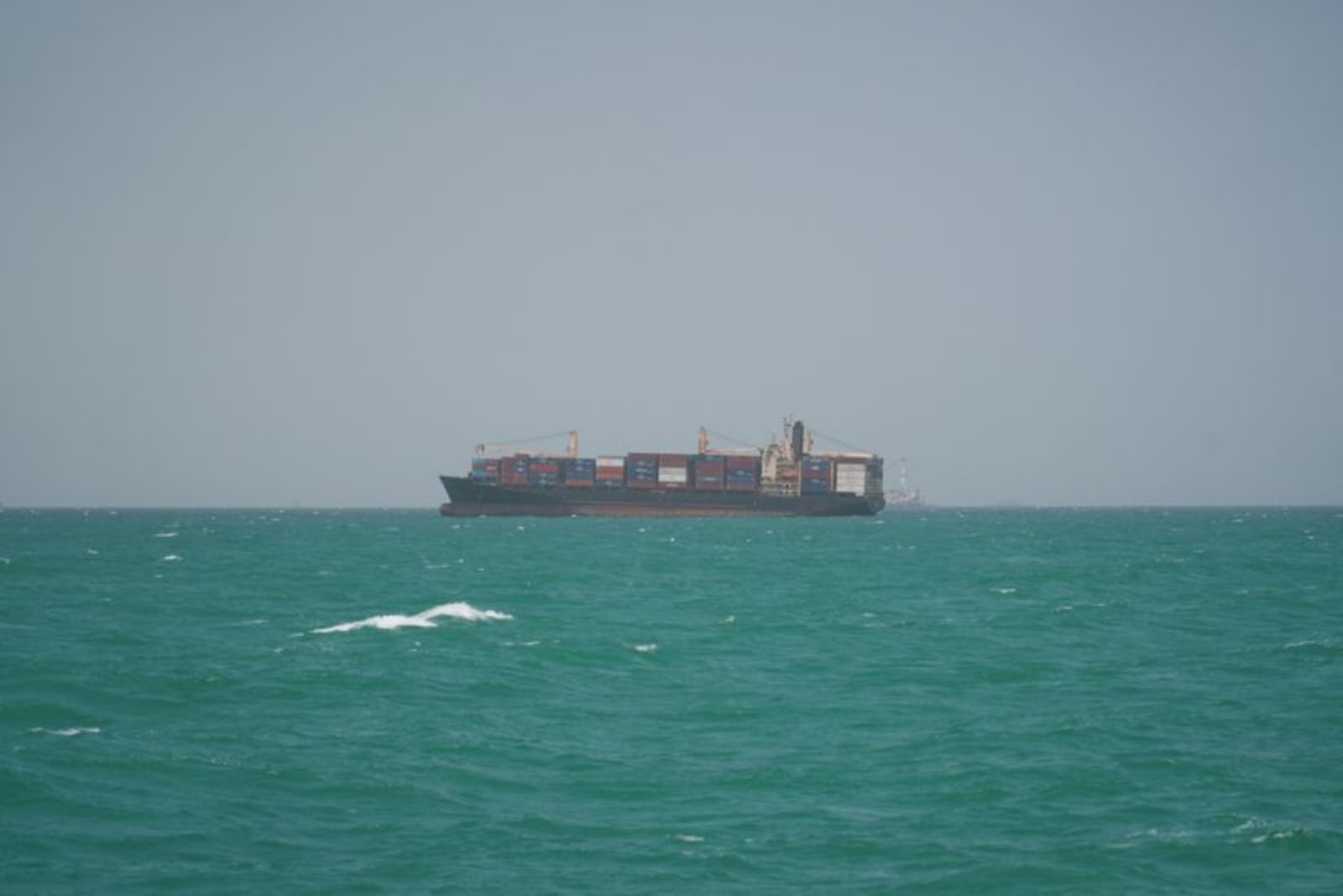
From Dammam, roughly seven large ships were visible anchored offshore - an unusually high number for typical times. During one resupply operation, a resupply ship came alongside a tanker in a stiff wind, and crew members shouted across the water as sacks of medical supplies were winched aboard.
Mohit Kohli, captain of a sizeable cargo vessel that was in the Gulf when the conflict began after departing Singapore, said he initially found the idea of the Strait being closed almost unimaginable. His German-owned vessel secured a safe anchor off Dammam, but within days of the war starting the crew began to witness and hear missiles and drones being employed by Iran against Gulf states.
"The crew who was usually loud and happy were now silent. Meals got shorter. Conversations were more guarded," Kohli said in an interview this month after returning to India. His ship benefited from owners who enabled a relief crew to arrive, a support that many other crews lack.
Local authorities and port efforts
Gulf states have mounted some efforts to assist stranded mariners by facilitating supplies and arranging crew transfers. "Seafarers stuck on a vessel in uncertain waters, the most important thing in the world is knowing that there is a shore open to reach," said Suliman Almazroua, president of the Saudi Ports Authority.
Almazroua said the authority helped hundreds of vessels resupply with food, fresh water, fuel and medicines, and assisted more than 500 sailors to transfer off their ships. He described messages of gratitude from sailors who were able to leave as the most rewarding part of his work.
Outlook and immediate needs
As Iran enforces tighter control over passage through the Strait of Hormuz, seafarers and their representatives warn that the situation could remain precarious while the labyrinth of permissions, payments and security concerns persists. The combination of limited supplies, pay disputes, and the constant threat of strikes has left many crews under severe stress and in need of coordinated assistance to ensure safe repatriation and basic welfare.
Until passage becomes reliably safe and the administrative hurdles are resolved, thousands of mariners may remain trapped aboard ships in the Gulf, sustaining operations under constrained and risky conditions.