
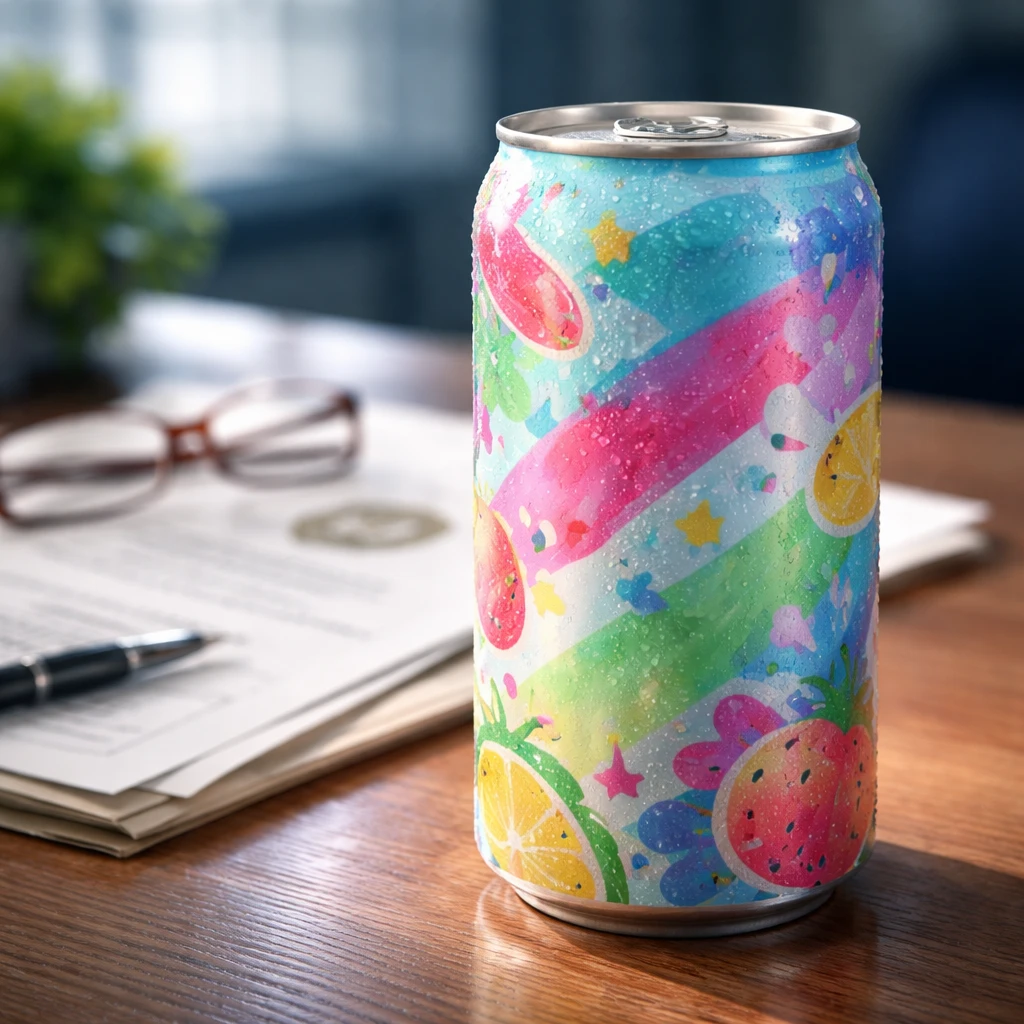
Shares of Celsius Holdings (NASDAQ: CELH) declined about 4% on Thursday following news that Texas Attorney General Ken Paxton has opened an investigation into the company and its subsidiary, Alani Nutrition, over the marketing of the Alani Nu energy drink.
The inquiry will examine whether Celsius and Alani Nutrition misled consumers about the safety of their energy drinks for adolescents and children and whether any conduct violated the Texas Deceptive Trade Practices Act. Paxton's office flagged concerns tied to product presentation and labeling that could be appealing to younger demographics.
Central to the review is Alani Nu, an energy drink that contains 200 mg of caffeine in a 12-ounce can. Medical professionals cited in the announcement consider that level of caffeine potentially dangerous for children and adolescents. The attorney general's office noted that Alani Nu's presentation - including colorful packaging, playful design elements, and branding aimed at a youthful audience - may attract younger consumers.
Officials pointed out that Alani Nu's packaging generally lists the caffeine amount but does not typically include additional warnings about age limits or possible heart-related risks. The announcement referenced guidance from the National Institutes of Health that recommends children and teens avoid energy drinks, noting potential adverse effects such as elevated heart rate, heart palpitations, high blood pressure, anxiety, and dehydration.
The investigation follows a lawsuit filed by the family of a 17-year-old from Weslaco, Texas, who died from an enlarged heart that the complaint alleges was caused by excessive caffeine intake after consuming Alani Nu. That lawsuit contends the product did not provide adequate warnings about its caffeine content.
Celsius acquired Alani Nutrition, the maker of the Alani Nu line. Paxton's office said it will probe whether the companies misrepresented product safety for younger populations as part of its review under the state's deceptive trade laws.
The investigation and related litigation represent regulatory and legal developments the market is watching as investors reassess potential reputational, compliance, and liability exposures tied to branding and labeling in the beverage sector.