
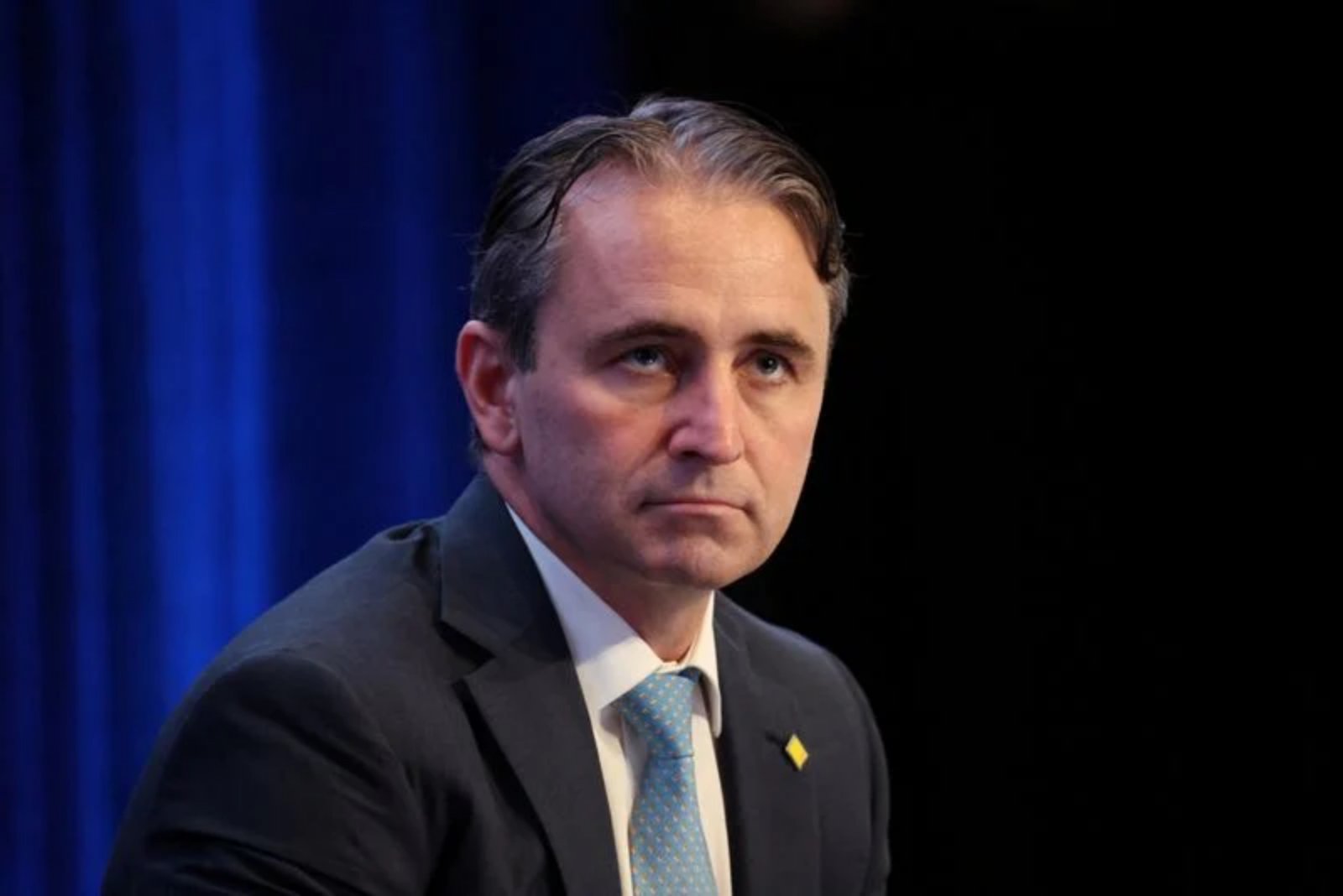
SYDNEY, June 2 - The expense of deploying artificial intelligence in business settings is set to increase in uneven and harder-to-forecast ways as organisations push AI into more sophisticated tasks, Commonwealth Bank of Australia Chief Executive Matt Comyn said on Tuesday. Comyn described rising AI costs as an emerging management challenge for companies planning broader rollouts.
Speaking at an Australian Financial Review conference in Sydney, Comyn said corporate users will likely tighten scrutiny of AI-related expenditures through 2026 as adoption accelerates and pressure grows to demonstrate return on investment. He framed the issue as a constraint on AI rollouts in corporate Australia, alongside the need to manage workforce disruption and the significant energy and water demands of the data centres that provide the computing power.
Comyn contrasted corporate AI economics with consumer experiences. He noted that most consumer-facing AI services are free or operate on fixed-cost plans, whereas corporate users typically pay for the amount of text processed - referred to as tokens. In early enterprise deployments, token costs were modest because tasks tended to be simpler. But as models evolve to include more reasoning, access to tools, and larger amounts of contextual input, token costs do not scale in a linear fashion, Comyn said.
The comments come as CBA - which Comyn noted is Australia’s second-largest company and writes about a quarter of the country’s mortgages - positions itself as an active adopter of AI. Last week the bank hosted an AI summit that featured OpenAI Chief Executive Sam Altman, and CBA said it has hired what it described as the country’s first chief AI scientist at a bank.
Comyn also offered a pragmatic upside to rising AI bills: the added cost may discourage the proliferation of low-value outputs, which he called "work slop." He argued the scarcity is not in producing analyses or drafting documents such as PowerPoint decks or Word files - those can be increased exponentially - but rising costs could act as a brake on indiscriminate generation of low-value material.
His remarks underscore an operational calculus for firms weighing AI investments: managing the unit economics of token-based consumption, ensuring sufficient governance to demonstrate returns, and balancing broader infrastructure implications like data-centre energy and water needs. Comyn’s view suggests companies will need to tighten oversight of AI spending and to be selective about use cases as complexity and associated computing requirements grow.
Summary
Commonwealth Bank of Australia CEO Matt Comyn warned that AI costs for corporate users will rise in less predictable ways as the technology is applied to more complex tasks. He expects businesses to scrutinise AI spending through 2026, noting that token-based pricing can scale non-linearly with model complexity. CBA has been actively embracing AI, hosting a summit with OpenAI CEO Sam Altman and hiring a chief AI scientist. Comyn added that higher costs may curb the creation of low-value outputs.