
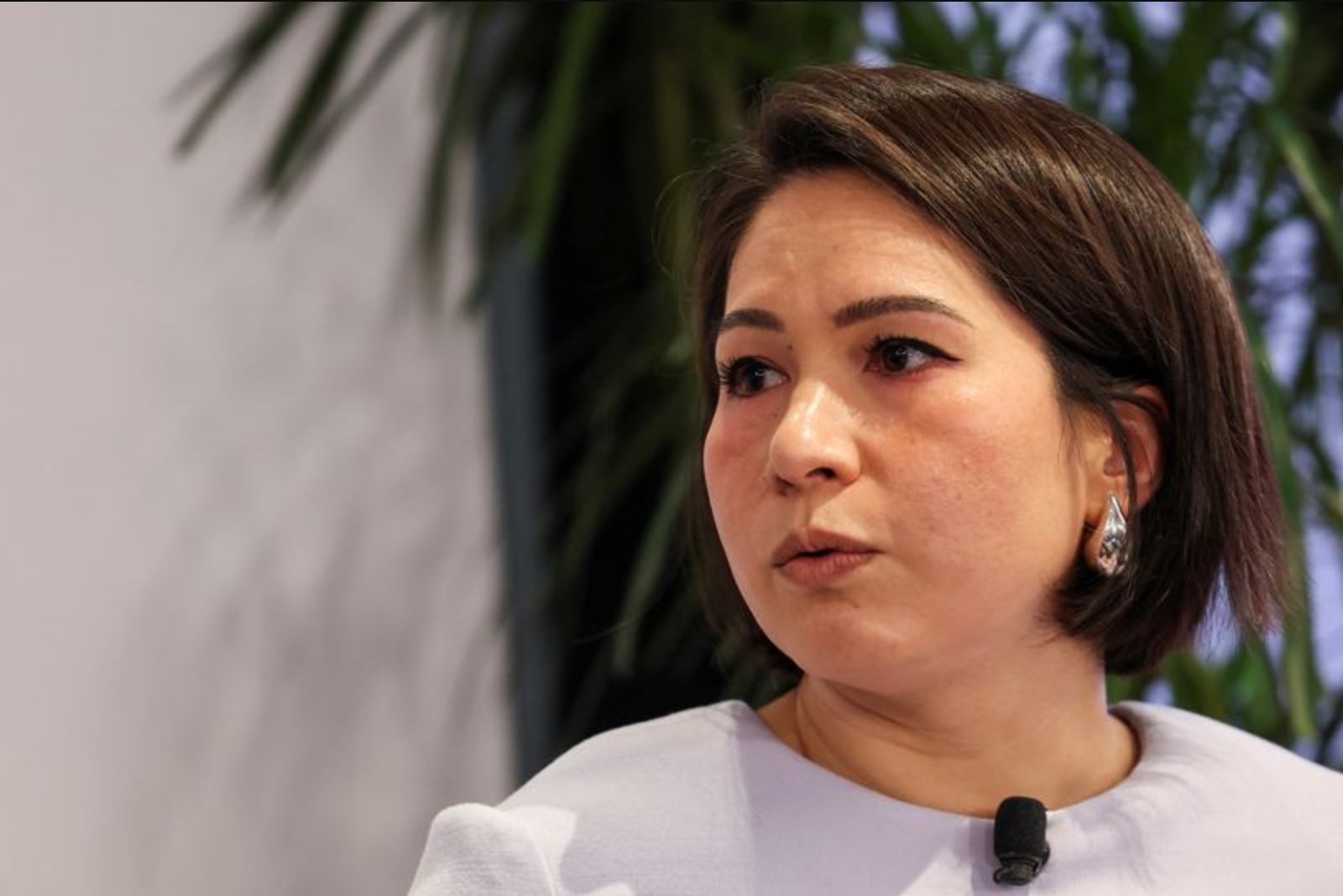
Business Insider said on Wednesday that Chief Executive Officer Barbara Peng will depart the company by the end of next month to pursue new opportunities created by technological change. The announcement was made in a memo posted on the publisher's website.
Christian Baesler has been named interim CEO, the memo said. Peng described the shift in a direct quote: "We’re at a moment where there’s massive change driven by technology, which also means massive opportunity. And for a techie builder like me, that’s an irresistible pull," the memo added.
Peng acknowledged the challenges facing media organizations during her tenure. "Media and journalism have faced enormous challenges during my time as CEO," she said, pointing to a specific headwind: declining user traffic from search. The memo noted that AI-powered responses from search engines such as Google increasingly summarize content and display information above website links, a format that reduces referral traffic and poses a threat to traditional publisher business models.
The CEO transition comes nearly a week after the publisher disclosed a reduction of under 5% of its global newsroom staff as part of an editorial realignment. The company reported it has roughly 250 newsroom employees.
Earlier workforce reductions at Business Insider included cuts of about 21% of staff in 2025 and about 8% in 2024, figures included in the company announcement. Those prior reductions were noted alongside the latest change at the top of the organization.
Business Insider's ownership history was also referenced in the memo. German publisher Axel Springer SE acquired a majority stake in the company in 2015. The outlet was renamed "Insider" in 2021 and then reverted to the "Business Insider" name in November 2023 following the departure of co-founder Henry Blodget.
Axel Springer's CEO, Mathias Döpfner, commented on Peng's role in the company's evolution, saying her leadership has been critical during the transformation. Peng, who has served as CEO for more than two years, said the organization made "bold bets, embraced change and built a sharper, more focused company positioned for the future of business journalism."
Context and outlook
The memo and related statements present the leadership change as part of an ongoing response to technological shifts affecting how audiences access news. The company has combined organizational realignment with prior workforce reductions as it adjusts to those shifts, while ownership under Axel Springer remains in place.