
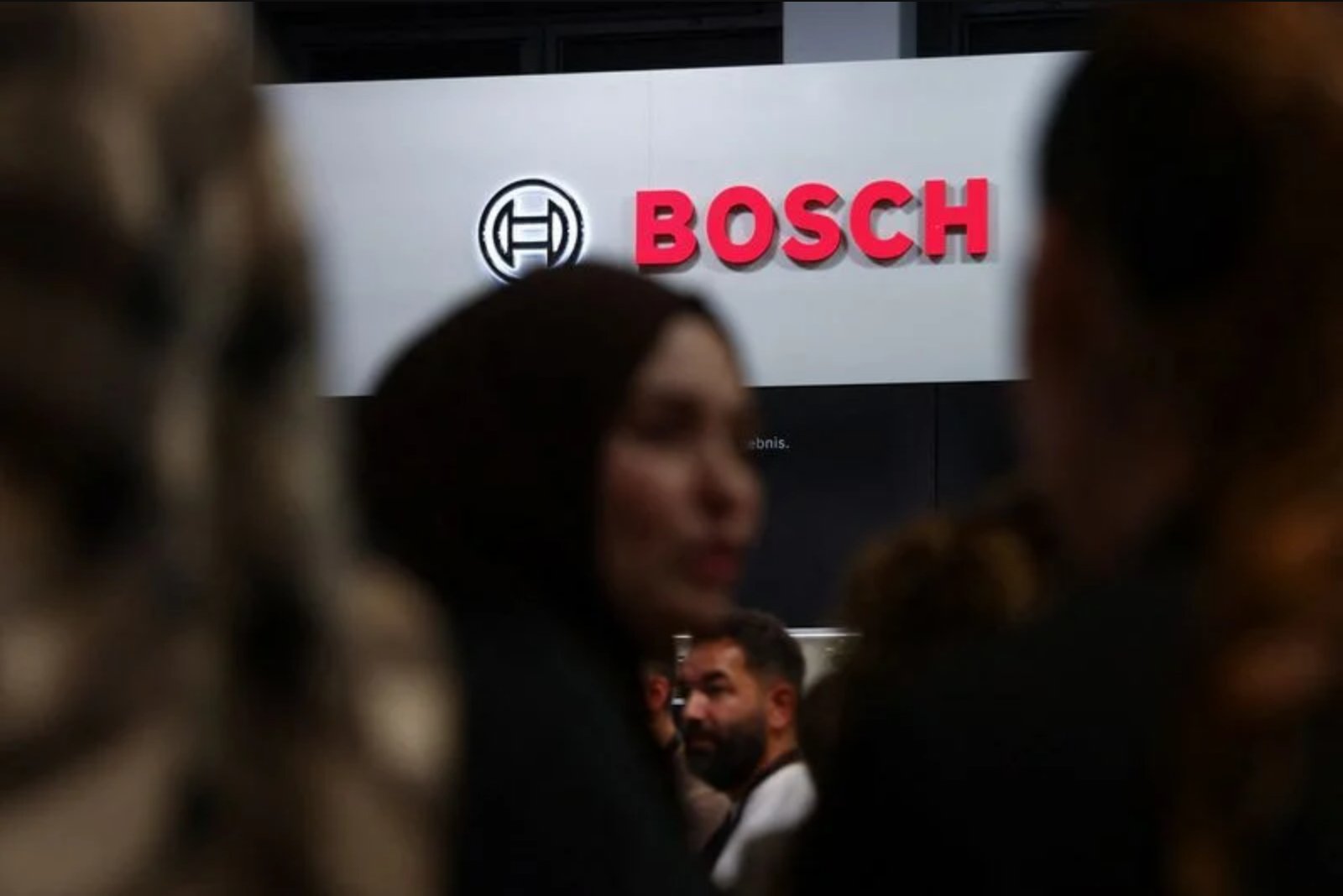
German technology group Robert Bosch has reached a settlement with the U.S. Commerce Department under which the company will pay $36 million for exporting sensor hardware and cellphone software to Huawei without the necessary license, U.S. authorities said.
The Commerce Department said the items in question - sensor products and software intended for use in mobile phones - exceeded $70 million in value and were shipped by two Bosch subsidiaries located outside the United States. According to the settlement, those subsidiaries carried out the exports on more than 100 separate occasions between 2020 and 2024 without obtaining a license that U.S. rules require for certain foreign-produced items when they incorporate U.S.-origin technology.
Huawei is subject to a U.S. trade blacklist that obliges firms to secure a license for specified foreign-produced goods that are the product of U.S.-origin technology. The Commerce Department’s action centers on that licensing requirement and the cited exports.
Bosch characterized the violations as unintentional in a company statement and said it has strengthened its trade compliance program to prevent recurrence. The company also agreed to disgorge profits tied to the transactions at issue to the U.S. Justice Department.
The Justice Department, which had conducted a related investigation, said it would close that probe and decline to prosecute Bosch after the company self-disclosed the conduct and cooperated in the inquiry. Assistant Attorney General for National Security John A. Eisenberg noted that the declination highlights the benefits for companies that promptly disclose potential violations and fully assist investigations, according to the Justice Department statement.
Authorities said Bosch will receive credit toward the $36 million Commerce Department settlement for the payment to the Justice Department, and that the Justice Department payment was also partially suspended.
Bosch, headquartered in Stuttgart, operates globally with nearly 500 subsidiaries and reported approximately $90 billion in annual revenue in 2024.
Context and compliance steps
In announcing the settlement, officials and the company emphasized procedural measures: Bosch acknowledged the export-control violations as inadvertent and said it has enhanced its internal trade compliance controls to reduce the risk of repeat breaches. The settlement and related Justice Department disposition reflect both regulatory enforcement and prosecutorial discretion tied to voluntary corporate cooperation and remediation.