
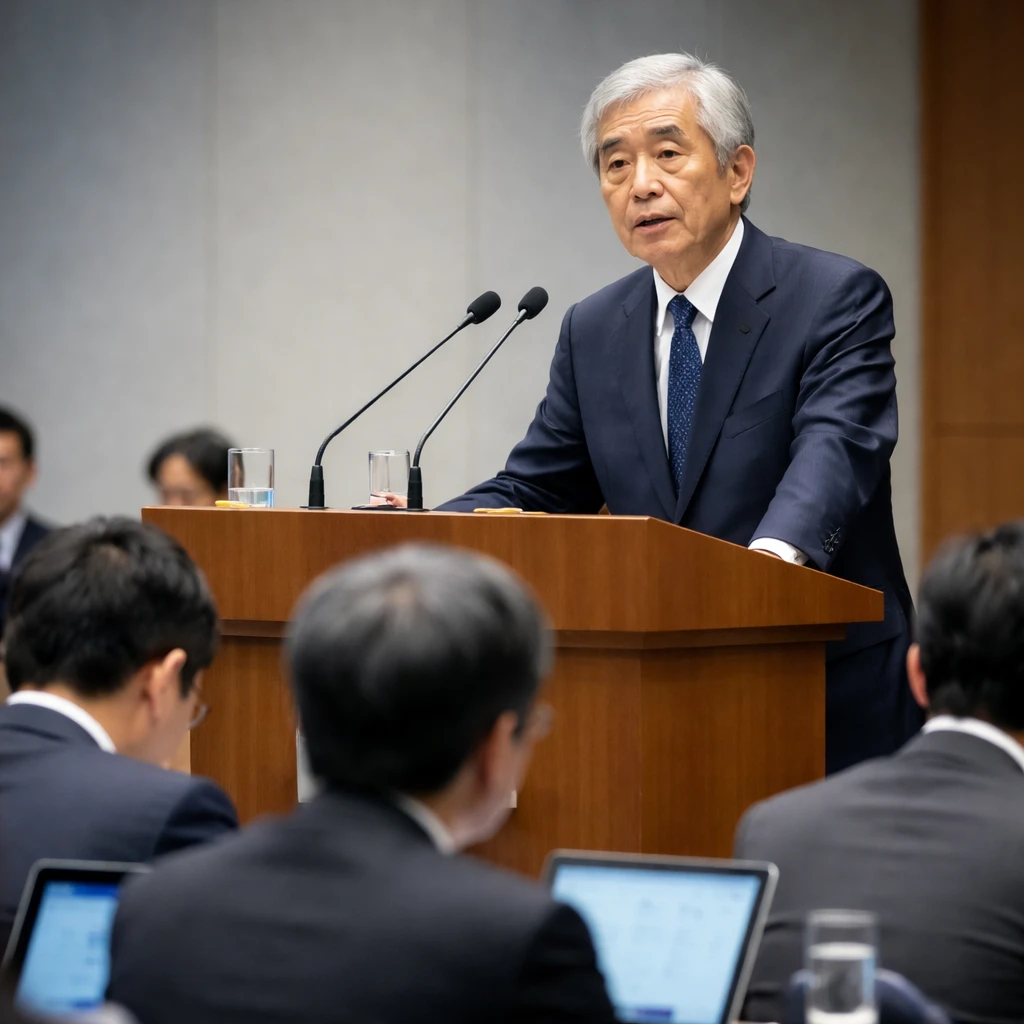
Bank of Japan Governor Kazuo Ueda on Wednesday cautioned that an energy price shock that appears temporary at first could become persistent if it affects wages and inflation expectations.
Addressing attendees at a conference organized by the BOJ and its research arm, the Institute for Monetary and Economic Studies, Ueda emphasized that an identical increase in oil prices does not always lead to the same macroeconomic consequences. He said the ultimate impact on wages, expectations, demand and exchange rates depends on prevailing economic conditions when the shock occurs.
"If inflation expectations are already high and wages are accelerating, the risk of second-round effects is large," Ueda said.
Ueda contrasted that scenario with one in which inflation expectations remain very low and wages are stagnant, noting that a large cost shock in that environment may not translate into higher inflation expectations.
The governor's remarks come as oil prices have risen amid conflict in the Middle East, a development that the article notes has added to inflationary pressure in Japan. Those price moves have been met with hawkish signals from the BOJ and helped fuel expectations in markets that an interest rate increase could occur as soon as next month.
At the BOJ's previous policy meeting, Ueda largely reiterated the central bank's position that policy rates will be raised in step with developments in inflation and economic growth. His comments at the conference reiterated the link the BOJ sees between inflation dynamics and the appropriate monetary policy stance.
Ueda also urged central banks to place oil price changes in a broader context when assessing risks to inflation. He highlighted that the same oil price path can push on wages and prices differently depending on where inflation expectations and wage trends start.
While the governor stopped short of forecasting a specific policy move in the speech, his emphasis on the potential for temporary shocks to become entrenched underscores the sensitivities the BOJ is monitoring as energy costs evolve.