
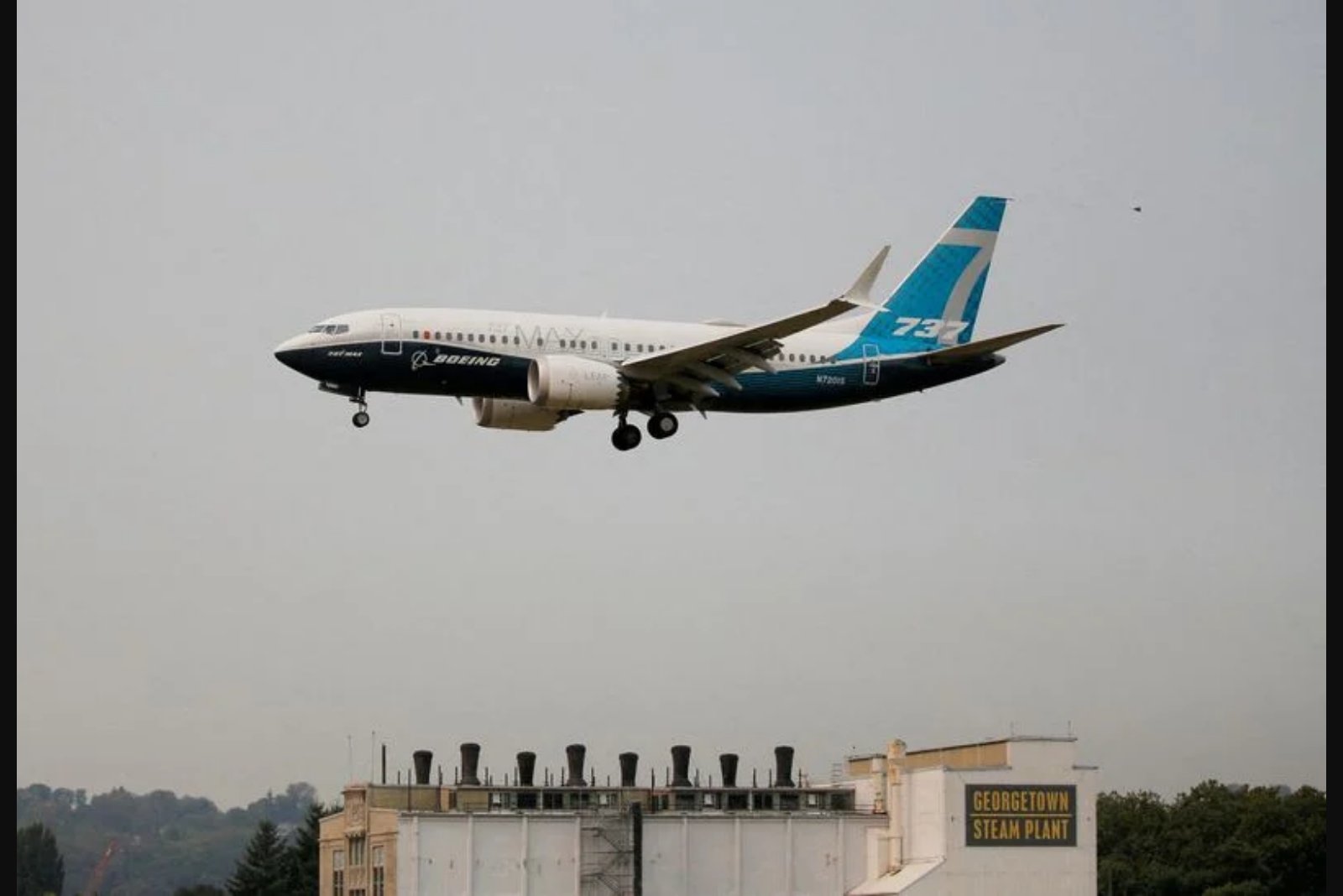
Boeing is examining the possibility of accelerating output of its top-selling 737 MAX single-aisle jet to as many as 70 aircraft per month, company chief executive Kelly Ortberg told CNBC. The effort is currently a study to map constraints and test the resilience of the supply chain rather than an immediate commitment, Ortberg said.
The manufacturer has already set a public target to lift production to 63 jets per month, and recently announced an increase from 42 to 47 737 MAX aircraft per month. Boeing restarted 737 production in December 2024 and has been raising rates in stages since then. A U.S. Federal Aviation Administration cap had previously limited output to 38 per month after a panel blew out of a nearly new 737 MAX, exposing a range of production quality and safety issues; that cap was lifted in October 2025.
Ortberg described the 70-per-month scenario as a study activity aimed at understanding where bottlenecks sit and how durable supplier capacity would be if production moved beyond the company’s stated goal. He emphasized caution in pacing increases, saying Boeing would not raise the rate until the production system is stable.
In May, after consultations with the FAA, Boeing said it planned to raise monthly production to 47 in mid-summer. The company also plans to load the first plane on a new 737 production line in Everett, Washington, on July 6, a step Ortberg described as pivotal to the next phase of increases toward 52 jets per month.
Expanding 737 output is central to Boeing’s broader financial turnaround. The company has incurred more than $30 billion in losses in recent years and taken on historically high debt levels, making higher production rates important to restoring cash flow and earnings power.
Growing output will require suppliers to expand capacity as well. Ortberg has flagged that the supply chain must be able to scale to support Boeing’s planned rate increases, a theme he reiterated on a first-quarter earnings call in April.
European rival Airbus has targeted higher monthly output for its A320neo-family jets, aiming for 70 to 75 per month by the end of 2027 and to stabilize at 75 thereafter, though it has delayed those ambitions in the past because of supply-chain limits. Boeing’s internal study of a 70-per-month 737 MAX pace follows a similar industry focus on how far single-aisle production can be stretched given supplier constraints.
Context and next steps
Boeing’s immediate, publicly stated milestone remains 63 jets per month, with an interim increase to 47 planned for mid-summer. The 70-per-month figure is being examined to determine feasibility rather than being adopted as a formal target at this time. Key near-term actions include loading the first aircraft on the Everett production line on July 6 and continued consultation with regulators and suppliers as rate plans evolve.